
Hospitality Beyond Borders
Tours in Gilgit
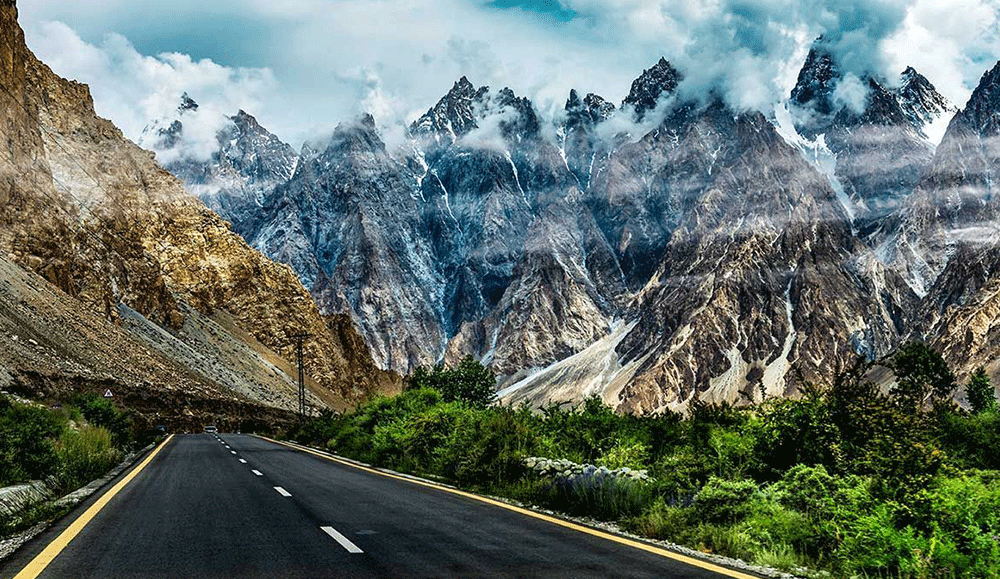
Day Hike To Rakaposhi Base Camp (from Gilgit)
A day excursion to Rakaposhi Base Camp from Gilgit is an unforgettable journey into the heart of the Karakoram — blending scenic driving, high-altitude trekking, and awe-inspiring views of some of the world’s tallest peaks. This adventure is one of the easiest and most rewarding ways to experience a Himalayan giant up close in just a day.
The trip begins with a drive from Gilgit along the legendary Karakoram Highway, a road renowned for its beauty. The route winds past roaring rivers, traditional mountain villages, and snow-clad peaks, following the turquoise waters of the Hunza River. After about an hour and a half, you reach Minapin, a charming village in Nagar Valley surrounded by orchards and traditional stone houses.
Minapin is the trailhead for the trek. From here, the well-defined path climbs through pine forests, past shepherd huts and green meadows. The fresh mountain air and sounds of gurgling streams create a peaceful and invigorating atmosphere. The first stop along the way is Hapakun Campsite — a beautiful meadow where you can rest and admire sweeping views of the valley below.
Beyond Hapakun, the trail opens into wide alpine pastures where the mighty Minapin Glacier comes into view, its ancient ice glinting in the sun. The final stretch to the base camp is spectacular, with Rakaposhi’s gleaming white face (7,788 m) rising dramatically above you, alongside the rugged ridge of Diran Peak and the vast glacier sprawling below.
The hike is moderately challenging but immensely rewarding, offering solitude, pristine nature, and countless photo opportunities. Whether you enjoy a picnic in the alpine meadows or simply soak in the grandeur of the surrounding peaks, the base camp feels like a magical place where the mountains touch the sky.
Best visited from late spring to autumn, this day trip from Gilgit is perfect for hikers, nature lovers, and anyone eager to experience the majesty of the Karakoram in a single, memorable day.
1 Days / Nights
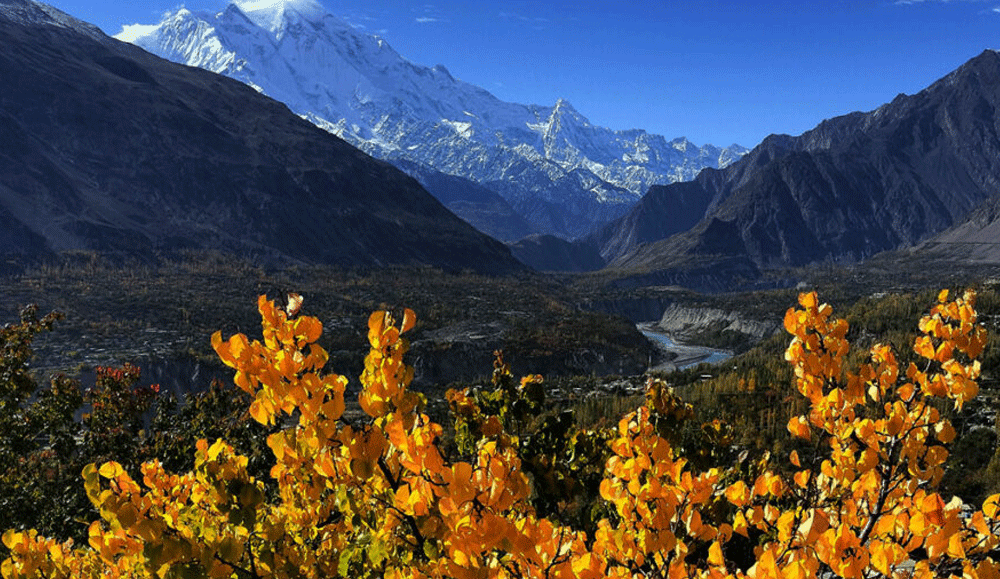
Day Excursion To Astore (from Gilgit)
A day excursion to Astore and Rama Valley from Gilgit offers an unforgettable experience of Pakistan’s pristine mountain beauty, vibrant culture, and serene landscapes. Located around 120 kilometers from Gilgit, Astore is a picturesque valley nestled at the foot of the mighty Nanga Parbat massif, and serves as the gateway to some of the most stunning alpine meadows and glacial scenery in the region.
The journey begins with a scenic drive southwards from Gilgit, winding through narrow gorges, alongside roaring rivers, and past quaint villages where traditional stone houses cling to the hillsides. The road climbs steadily into the heart of the mountains, offering panoramic views of towering peaks, lush terraces, and crystal-clear streams that weave their way through the valley. The adventure itself is enriched by the striking contrasts of the rugged Karakoram rocks and the green fields dotted with grazing yaks and horses.
Upon reaching Astore town, visitors are greeted by the warm hospitality of the locals, known for their friendliness and fascinating tales of life in this remote corner of Gilgit-Baltistan. Continuing a short distance higher, the excursion culminates in the breathtaking Rama Valley, a vast alpine meadow surrounded by pine forests, snow-capped peaks, and tranquil streams. During the summer season, Rama is at its most beautiful — the meadows carpeted with wildflowers, the air crisp and refreshing, and the surrounding mountains gleaming under the bright sun.
The open green pastures of Rama offer a perfect setting to relax, take a gentle walk, or simply sit and marvel at the natural beauty that stretches in every direction. Visitors often enjoy picnics here, savoring the serene atmosphere, and photographing the awe-inspiring backdrop of the valley. On clear days, the view of Nanga Parbat’s south face from nearby vantage points adds an unforgettable highlight to the journey.
Whether it’s the spectacular landscapes, the adventurous drive, or the chance to connect with nature in one of Pakistan’s most picturesque settings, a day trip to Astore and Rama Valley from Gilgit is a rejuvenating escape into the heart of the Himalayas — a perfect blend of adventure, tranquility, and natural wonder.
1 Days / Nights
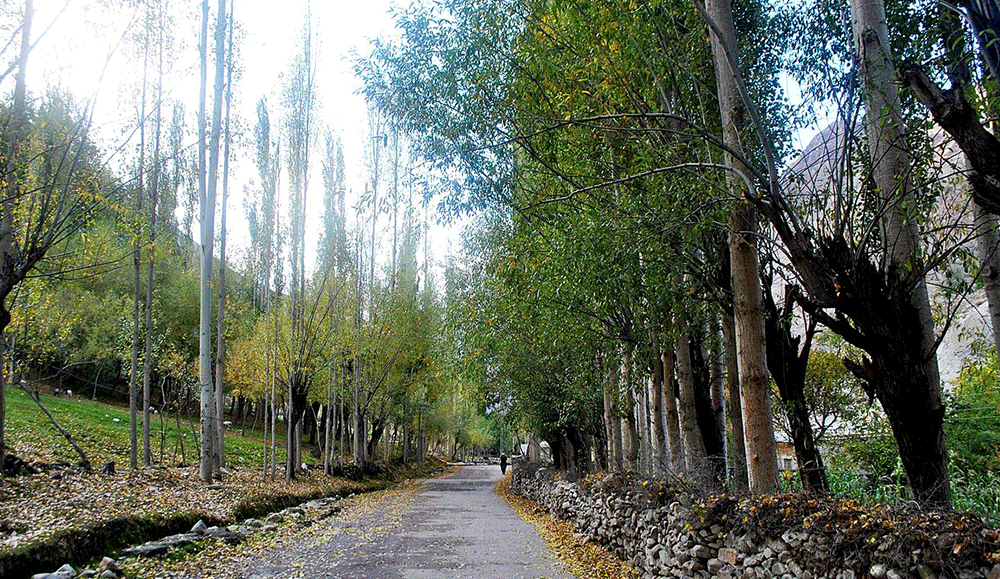
Day Excursion To Gappa Valley (from Gilgit)
Nestled in the scenic Nagar District, just a short and stunning detour from the Karakoram Highway, Gappa Valley is one of Gilgit-Baltistan’s most enchanting yet lesser-known gems. From Gilgit, this full-day excursion offers a rewarding mix of breathtaking scenery, adventure, and serene charm — making it a perfect escape into nature.
The journey from Gilgit to Gappa Valley is an adventure in itself. Driving along the Karakoram Highway, you pass through dramatic gorges, picturesque villages, and verdant fields before turning onto the mountain road that leads into the valley. The ascent winds through rugged terrain and fragrant pine forests, past terraced potato fields and tiny stone hamlets clinging to the hillsides. Adventurous visitors may opt for an off-road 4×4 ride for added thrill, or even hike part of the way for a closer connection with the landscape.
On arrival, Gappa Valley greets you with lush alpine meadows, glacier-fed streams, and cool breezes flowing down from the mighty Rakaposhi, which towers magnificently above the valley. The views are spectacular — snow-draped peaks reflecting in crystal-clear streams, creating a picture-perfect backdrop of raw natural beauty.
Beyond its scenery, Gappa Valley also offers authentic cultural moments. You may meet friendly local shepherds tending their flocks, eager to share stories and smiles. The meadows are dotted with rustic stone huts and summer shelters, adding to the valley’s charm. Enjoy a quiet picnic by a gurgling stream, breathe in the fresh mountain air, and watch as clouds drift lazily across the towering peaks.
Best visited between July and September, Gappa Valley stays refreshingly cool even at the height of summer — a welcome respite from the plains. Whether you’re a photographer, a nature lover, or simply seeking solitude, this hidden valley is a sanctuary away from the crowds.
Easily accessible from Gilgit yet far from the usual tourist trail, Gappa Valley reveals a magical side of the Karakoram — where mountains whisper, rivers sing, and time seems to slow just for you. Let this day trip be your next great story.
1 Days / Nights
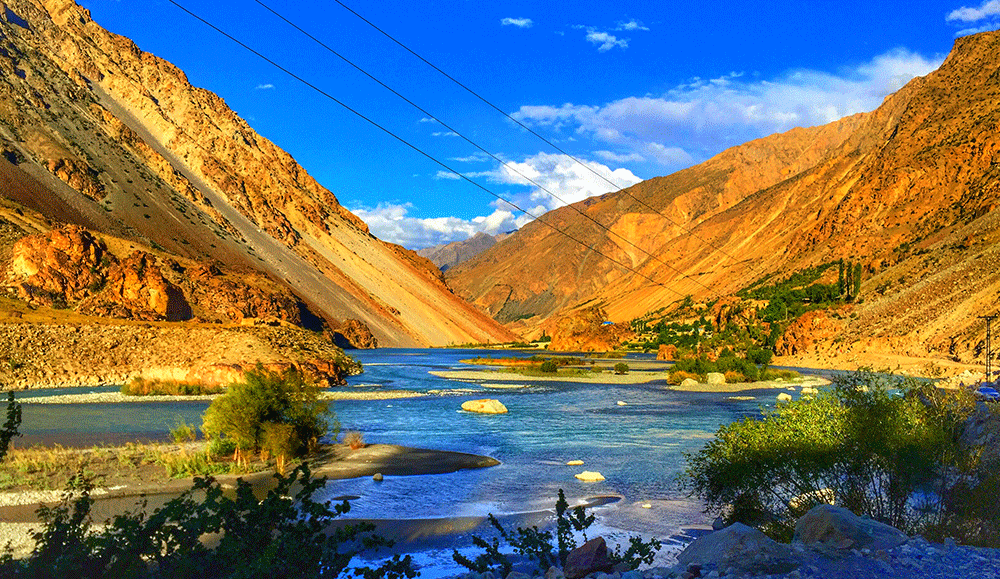
Gilgit City Tour
Gilgit, the capital of Gilgit-Baltistan, is a captivating city that serves as the cultural and logistical heart of the region. Nestled on the confluence of Hunza River and Gilgit River, surrounded by majestic peaks of the Karakoram and Hindukush ranges, Gilgit is a prime destination for tourists seeking natural beauty, cultural richness, and historical depth. It is often considered the gateway to many of the region’s famed valleys, including Hunza, Ghizer, Skardu, and Astore, making it an essential hub for adventure tourism in northern Pakistan.
The city is rich in history, once serving as an important center along the ancient Silk Road. It was also a prominent seat of Buddhism centuries ago, evidence of which can still be seen today in the famous Kargah Buddha—a 7th-century rock-carved image of a standing Buddha, located just a few kilometers outside the city. This remarkable archaeological site reflects Gilgit’s role as a significant Buddhist center before the spread of Islam in the region.
Modern-day Gilgit is a blend of tradition and progress. Its bustling bazaars offer local handicrafts, gemstones, and dried fruits, while hotels and guesthouses cater to both domestic and international travelers. The Gilgit Airport connects the city to Islamabad, further enhancing its accessibility and importance as a travel base.
Nearby attractions include the Naltar Valley, known for its alpine scenery and skiing in winter, and the tranquil lakes of Phander and Khalti, easily reachable from the city. Gilgit’s strategic location on the Karakoram Highway also makes it a stopover for travelers heading to the China-Pakistan border via the Khunjerab Pass.
As the administrative and cultural capital of Gilgit-Baltistan, Gilgit city continues to play a vital role in tourism, history, and regional development—offering a perfect blend of nature, heritage, and hospitality.
1 Days / Nights
Explore Gilgit-Baltistan via China
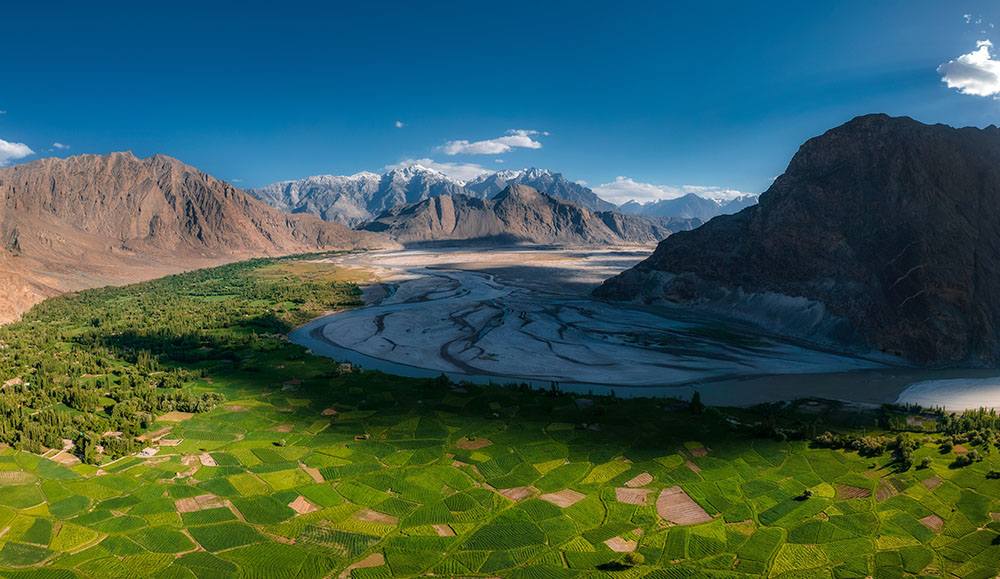
Step into a realm where time stands still, mountains touch the heavens, and ancient civilizations whisper through windswept valleys. This extraordinary ” Explore Gilgit-Baltistan Via China” journey begins at Khunjerab Pass (4,733 meters), the highest paved international border in the world, connecting China’s Xinjiang region to Pakistan’s Gilgit-Baltistan. As you cross into Pakistan, the majestic Karakoram Range unveils its raw, staggering beauty — snow-laden peaks, deep-cut gorges, and high-altitude wilderness await.
Your descent into the legendary Hunza Valley is nothing short of magical. Once described by explorer Eric Shipton as “the epitome of mountain grandeur,” Hunza enchants with its glacier-fed rivers, blooming orchards, and ancient forts. The 700-year-old Baltit Fort and the even older Altit Fort stand watch over stone villages and terraced fields, while the towering peaks of Rakaposhi, Ultar Sar, and Ladyfinger rise in the backdrop. Stroll through Karimabad’s cobbled lanes, sample the famed Hunza walnut cake, and engage with locals whose warm hospitality and graceful way of life are renowned the world over.
Continue to Gilgit, once a thriving stop on the ancient Silk Road, where Buddhism once flourished and trade routes connected worlds. Amid scenic landscapes, discover remnants of Buddhist petroglyphs, and experience the intersection of cultures, languages, and traditions that define this unique frontier.
Your journey then unfolds in Skardu, the breathtaking gateway to the Karakoram’s highest giants — K2, Broad Peak, and the Gasherbrums. Known as Mini Tibet, Skardu is a cultural gem, where Tibetan-influenced architecture, serene lakes like Shangrila and Sheosar, and rugged mountain landscapes create a scene of ethereal beauty. Summer awakens this region with crystal-clear skies, wildflowers, and accessible trekking trails.
As you retrace your path to China through the same epic route, you’ll leave with more than memories — you’ll carry a deep connection to a land where nature, culture, and history converge in harmony. Explore Gilgit-Baltistan Via China is more than a tour. It’s a timeless experience into the soul of the mountains.
11 Days / 10 Nights
Retracing the Silk Route
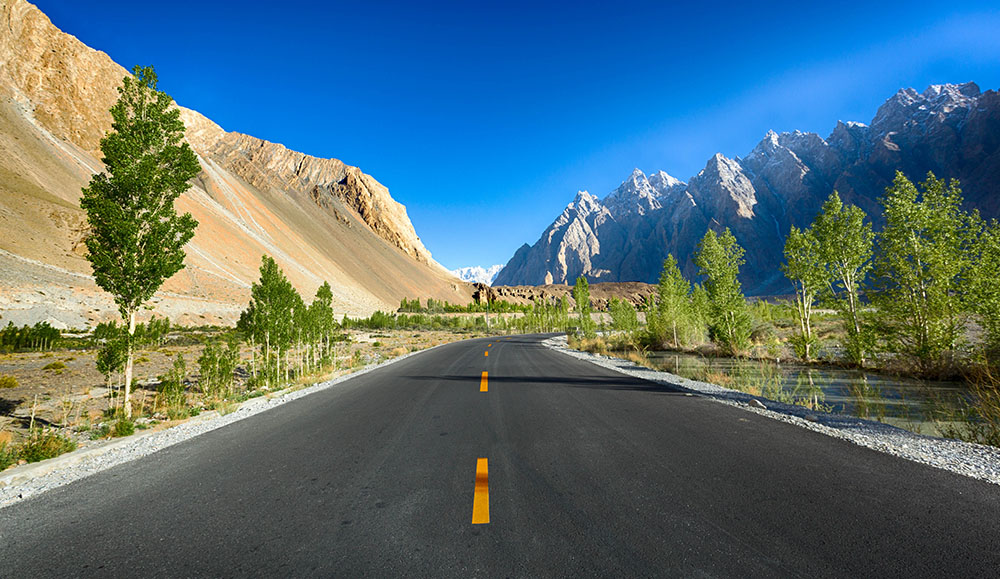
Step back in time and experience by retracing the magic of the ancient Silk Route on this unforgettable journey from China into Pakistan, traveling along the legendary Karakoram Highway — one of the highest and most spectacular roads in the world. This route, once traversed by caravans laden with silk, spices, and stories, still echoes with the grandeur of history, culture, and nature.
The adventure begins as you cross the towering Khunjerab Pass (4,693 m), the world’s highest paved border crossing, where the mighty Karakoram mountains welcome you to Pakistan with snow-clad peaks and crisp alpine air. Descending from the high-altitude plateau, the route winds dramatically through deep gorges, glacial valleys, and colorful rock formations — a breathtaking introduction to the region’s raw beauty.
Your first stop is Sost, the gateway town of upper Hunza, where Silk Road travelers once rested. From here, you proceed to the picturesque Passu village, famous for its striking Passu Cones — jagged peaks that rise like stone spires into the sky — and nearby Batura Glacier, one of the longest outside the polar regions. Adventurers can walk across the thrilling Hussaini suspension bridge, one of the most daring bridges in the world.
The journey continues through the lush valleys of Gulmit and Gojal, where terraced fields, apricot orchards, and ancient stone houses showcase the resilience and beauty of local life. At Attabad Lake, a natural wonder born of a landslide, the brilliant turquoise waters surrounded by towering cliffs are simply unforgettable.
Reaching Karimabad, the historic heart of Hunza, you’ll explore the ancient Baltit Fort and Altit Fort, stroll through charming bazaars, and marvel at panoramic views of Rakaposhi and Ultar peaks.
Further south, the Silk Route leads you to Gilgit, once a vital stop for traders and pilgrims heading to Central Asia. Nestled in a wide valley, Gilgit offers vibrant markets, suspension bridges, and a glimpse of its Buddhist heritage.
This remarkable journey not only retraces the footsteps of ancient traders but also immerses you in the timeless beauty and culture of Pakistan’s mountains — a Silk Route experience you will never forget.
9 Days / 8 Nights
Explore Little Tibet (Baltistan)
Tucked away in the northeastern reaches of Pakistan lies Baltistan, affectionately known as Mini-Tibet or Little Tibet. This awe-inspiring region, forming part of Gilgit-Baltistan, is one of the most enchanting destinations on earth—where soaring mountain peaks, glacial rivers, and Tibetan-influenced culture combine to create a mystical atmosphere found nowhere else in the world.
Baltistan is home to the mighty Karakoram Range, including some of the highest mountains on the planet. The legendary K2 (8,611m)—the second-highest peak in the world—along with Broad Peak, Gasherbrum I & II, and countless 7000m+ summits dominate the skyline. The region is a dream for climbers, trekkers, photographers, and nature lovers. The enormous Baltoro Glacier, a natural highway to the “Throne Room of the Mountain Gods,” is among the longest glaciers outside the polar regions and leads deep into the heart of the Karakorams.
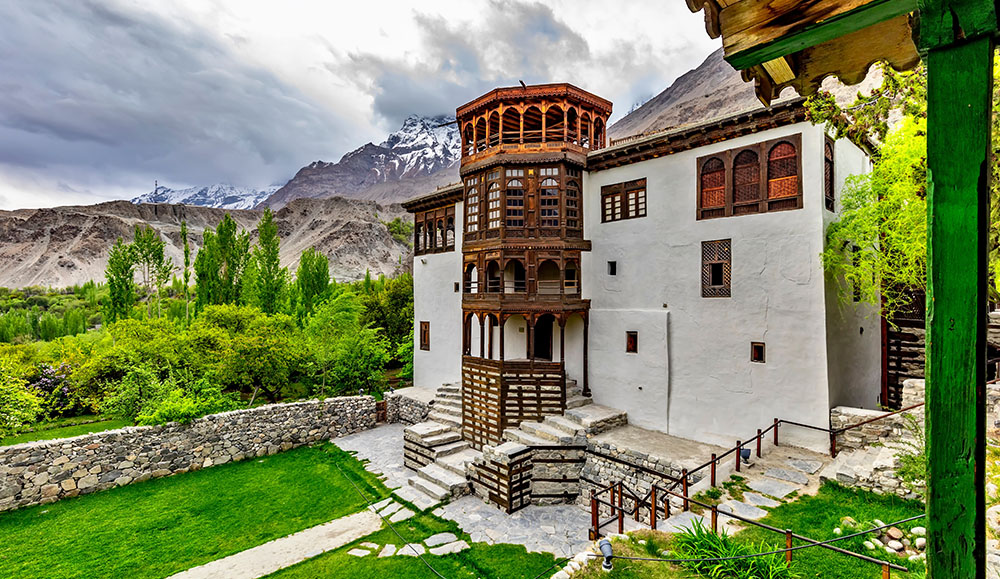
Yet Baltistan’s appeal is not limited to mountains. The region was once ruled by independent Balti kingdoms, such as Shigar and Khaplu, which were integrated into Pakistan in 1974. These former royal domains still house remarkably preserved Tibetan-style forts, mosques, palaces, and Buddhist relics, revealing a past steeped in trade, religion, and power. The architecture—infused with Tibetan, Persian, and Islamic styles—is distinct and stunning. Places like Khaplu Palace and Shigar Fort, now heritage hotels, are living museums of Balti culture and history.
Throughout all four seasons, Baltistan dazzles the senses. Spring brings blossoms to fruit orchards, summer unveils alpine lakes and green meadows, autumn sets the valleys ablaze in hues of gold and crimson, and winter transforms the landscape into a silent snow kingdom. The expansive Deosai Plateau, known as the Roof of the World, offers wildlife sightings and breathtaking views across a sea of rolling grasslands.
Above all, the warmth and hospitality of the Balti people make every journey here unforgettable. Traveling to Baltistan is not just a tour—it’s a deep dive into ancient traditions, geological wonders, and raw natural beauty, all reached by the world-renowned Karakoram Highway, one of the highest paved roads in the world.
10 Days / 9 Nights
Rush Lake & Patundas Trek
Nestled in the majestic Karakoram Range, the Rush Lake & Patundas treks offer a soul-stirring immersion into the raw, unspoiled beauty of Pakistan’s Gilgit-Baltistan region. Straddling the cultural divide of Hunza and Nagar valleys separated by the glacial-fed Hunza River these treks reveal not only nature’s splendor but also the warmth, resilience, and cultural richness of the local mountain communities.
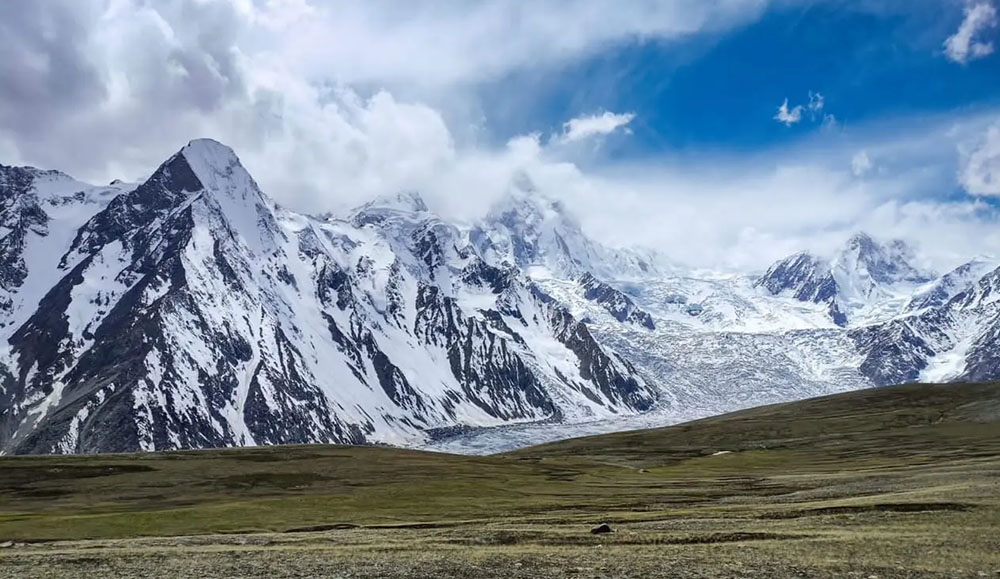
The Rush Lake Trek, tucked away in Nagar Valley, is a journey of both serenity and challenge, culminating at one of the highest alpine lakes in the world Rush Lake (4,694 m). Locally known as Rushphari, this turquoise gem rests in a high-altitude basin surrounded by giants. Spantic (Golden Peak), Diran, Rakaposhi, and even a distant glimpse of K2 on clear days. The journey includes crossing the massive Barpu Glacier and navigating steep descents to the remote Phaiphari camp, all while being enveloped in a dramatic amphitheater of snow-capped summits. Every step through this trek is a testament to nature’s grandeur and a challenge embraced with the hospitality and guidance of local porters and villagers, whose knowledge of the terrain is unmatched.
On the other side of the Hunza River lies Patundas, a heavenly pastureland near Gulmit, reached via a trail that winds through hanging glaciers, blooming meadows, and ancient shepherd routes. At 4,200 meters, Patundas opens up panoramic views of the Passu Cones, Shispar, Batura, Momhil Sar, and Dasteghil Sar—some of the highest and most stunning peaks in the Karakoram. Here, you’re not just trekking; you’re standing at the crossroads of earth and sky, embraced by mountain silence and warm, welcoming locals eager to share their stories, tea, and traditions.
These treks are not just about altitude; they are about attitude the chance to disconnect, reconnect, and marvel at a part of the world where culture, landscape, and hospitality create an unforgettable symphony.
18 Days / 17 Nights
Killik & Mintaka Pass Trek
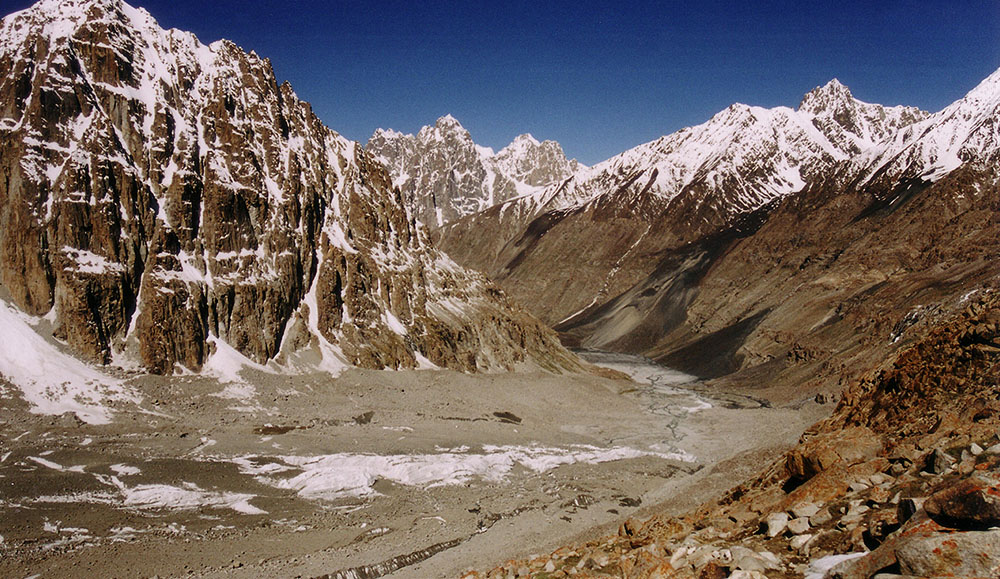
The Kilik and Mintaka Pass Trek is a captivating high-altitude adventure through one of the most remote and historically rich corridors of the Karakoram Range in northern Pakistan. Nestled in the upper Hunza Valley, this trek retraces the footsteps of ancient traders, pilgrims, and explorers who once moved between Central Asia and the Indian subcontinent via these legendary mountain passes centuries before the construction of the Karakoram Highway (KKH).
The Hunza Valley, located along the KKH, is a natural paradise known for its panoramic mountain views, terraced fields, and centuries-old forts. With snow-capped peaks like Rakaposhi, Ultar Sar, and Ladyfinger Peak dominating the skyline, Hunza offers a picturesque entry point to any mountain expedition. The region’s cultural richness shaped by its Burusho and Wakhi communities adds further depth to the trekking experience. From the historic Baltit and Altit forts to the hospitable villages and vibrant bazaars of Karimabad, Hunza is a treasure trove for both nature lovers and cultural enthusiasts.
The trek begins in Misgar Valley, a secluded, windswept frontier valley that once served as a gateway for traders and travelers entering from Xinjiang (China) and Afghanistan. Here, the Qalandarchi Fort, an ancient watchtower, still stands as a silent sentinel overlooking the routes that led to both Killik Pass and Mintaka Pass—once vital arteries of the Silk Road. While Mintaka Pass was the primary route in ancient times, advancing glaciers made Kilik Pass the preferred alternative over time.
The trek navigates through pristine alpine terrain teeming with wildlife like ibex, wolves, marmots, and bears, with vast glacial valleys, high-altitude pastures, and starkly beautiful panoramas unfolding at every turn. Trekkers experience the raw, untouched wilderness of Pakistan’s northern frontier, far removed from modern civilization.
The best time to undertake this trek is during the summer months from June to September, when the weather is stable, and high passes are accessible. Due to the sensitive border location, a special permit (NOC) from the Home Department in Gilgit is mandatory for all foreign and domestic trekkers. The process involves coordination with local tour operators and security clearance.
For trekkers seeking solitude, cultural immersion, natural grandeur, and a powerful sense of history, the Killik and Mintaka Pass Trek is an unmatched journey into the heart of the ancient Silk Route.
15 Days / 14 Nights
The High Karakoram Passes
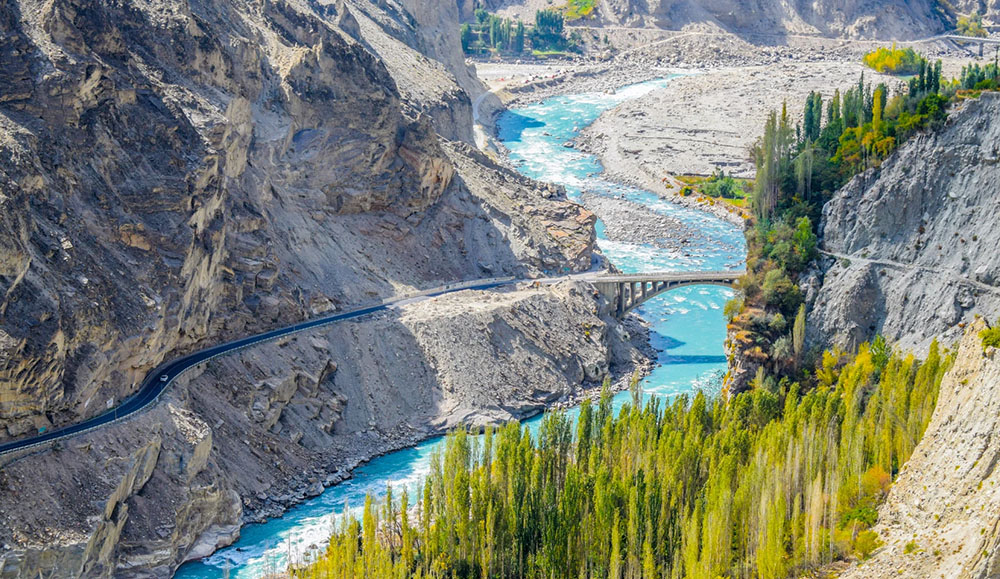
The Karakoram Traverse is an extraordinary combination of two of the world’s most captivating treks: The Gondogoro La Trek and the Biafo-Hisper Trek. Each of these treks is renowned for its adventure and breathtaking landscapes, making them popular among seasoned trekkers. The High Karakoram Passes trek offers a comprehensive and exciting journey in the mighty Karakoram range, featuring the crossing of two major high-altitude passes Gondogoro La (5,450 meters) and Hisper La (5,128 meters) in a single expedition.
During this trek, you will traverse four of the Karakoram’s most remarkable glaciers: Gondogoro Glacier, Baltoro Glacier, Biafo Glacier, and Hisper Glacier. These glaciers are flanked by some of the world’s most iconic mountain peaks, creating a truly immersive experience in the heart of the Karakoram in Gilgit-Baltistan, Pakistan.
This grand “ice highway” leads you through the tranquil mountain kingdoms, guiding you to the ancient kingdom of Nagar and ultimately concluding your nearly five-week journey in the breathtaking Hunza Valley. The Karakoram Traverse offers an unparalleled opportunity to witness the stunning beauty of the Karakoram Range, with its towering peaks, vast glaciers, and challenging passes.
Gondogoro La and Hisper Pass are gateways to some of the most remote and awe-inspiring landscapes on Earth. They offer unmatched adventure and challenge for experienced trekkers, providing a chance to experience the majesty of the Karakoram up close. However, due to the demanding nature of these passes and the technical skills required, this trek is recommended only for seasoned mountaineers and trekkers with experience in high-altitude and glacial terrain.
The High Karakoram Passes Trek in the Karakoram Traverse of the northern mountain kingdom in Gilgit-Baltistan, Pakistan, is more than just a trek; it’s an unforgettable journey through one of the most rugged and beautiful regions on the planet, offering a once-in-a-lifetime adventure for those who are up to the challenge. Lets achieve something that echoes through time.
32 Days / 31 Nights
Fairy Meadows & Rakaposhi Base Camp Trek
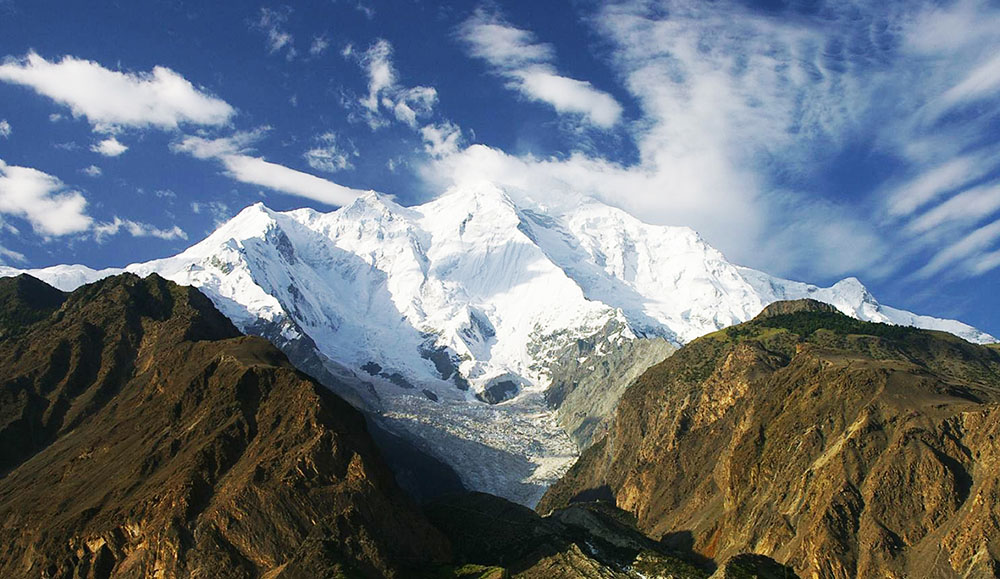
Venture into a once-in-a-lifetime adventure into the spectacular mountain landscapes of northern Pakistan with this unique twin-basecamp trek. The Fairy Meadows & Rakaposhi Base Camp Trek seamlessly blends the mystical allure of Fairy Meadows, nestled beneath the mighty Nanga Parbat, with the alpine splendor of the Rakaposhi and Diran Base Camps in the scenic Nagar Valley. Designed for adventurous travelers and nature lovers, this trek offers an unforgettable experience through towering peaks, glacial valleys, and vibrant cultural heartlands.
Begin your journey in the capital city of Islamabad before traveling north along either the lush Kaghan Valley or the legendary Karakoram Highway, one of the highest paved roads in the world. A thrilling 4×4 jeep ride to Tato Village marks the start of the trek to Fairy Meadows (3,300 m), a place so enchanting that local folklore claims fairies descend here under moonlight. From this pine-fringed meadow, embark on a full-day hike to Nanga Parbat Base Camp, where you’ll witness the dramatic Raikot Glacier and the sheer south face of the “Killer Mountain,” the world’s 9th highest peak.
From Fairy Meadows, the route continues to Gilgit and onward to Minapin, a charming village in Nagar Valley. Here begins the hike to Rakaposhi Base Camp (Taghafari), set against the breathtaking ice wall of Rakaposhi (7,788 m), known as the “Mother of Mist.” An optional day trek takes you further to Diran Base Camp, offering unmatched views of the Diran Glacier and the peak’s shimmering flanks.
In addition to the natural grandeur, travelers will explore the iconic Hunza Valley, home to ancient forts, hospitable communities, and awe-inspiring viewpoints like Eagle’s Nest. Concluding with a cultural immersion in Islamabad, this tour is a perfect blend of alpine trekking and regional exploration.
Whether you’re an avid trekker or a mountain enthusiast, the Fairy Meadows and Rakaposhi Base Camp Trek offers a rare chance to stand in the shadows of giants and embrace the soul of Pakistan’s high mountains.
9 Days / 8 Nights