
Hospitality Beyond Borders
Tours in Peshawar
Neelum & Naran Escape
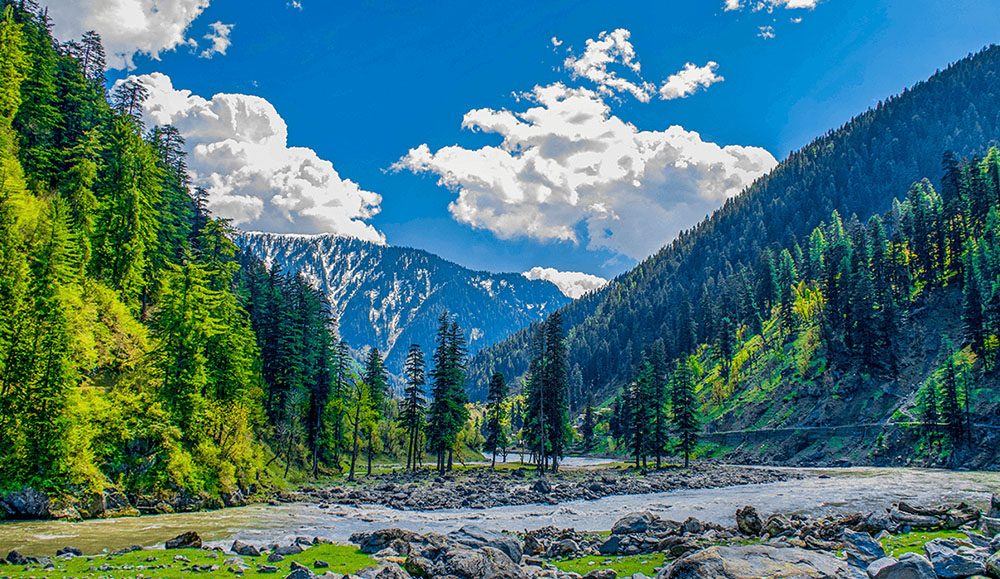
Are you ready to experience a journey that captures the soul of Pakistan’s northern beauty? Join our Neelum & Naran Escape Tour, a 9-day escape into serene wilderness, emerald meadows, roaring rivers, and awe-inspiring mountain vistas. This adventure promises not only panoramic views but a deep connection with nature and culture across two of Pakistan’s most iconic destinations: Neelum Valley in Azad Kashmir and the breathtaking Naran Kaghan region in Khyber Pakhtunkhwa.
Our adventure begins in Muzaffarabad, the gateway to Azad Kashmir, crowned by a sunset at Pir Chinasi, offering commanding views over misty peaks. We then wind through Kutton, Upper Neelum, and the peaceful riverside hamlets of Keran. Feel the tranquility seep in as you explore Sharda’s ancient ruins and hike to the fairytale village of Arang Kel, perched high above the clouds, where wooden cottages dot flower-filled pastures.
Neelum Valley is swiftly emerging as a tourism hotspot. With rapid improvements in hotels, road access, and digital connectivity, domestic travelers are flocking to its peaceful hideaways. Social media buzz and shared photos of its untouched charm are making it a must-visit destination for nature lovers and explorers alike.
From Muzaffarabad, the journey climbs into the Kaghan Valley, arriving in Shogran, home to the scenic Siri and Paye meadows, where the views seem painted by an artist’s hand. Moving forward, Naran welcomes you with alpine freshness and access to the legendary Lake Saif ul Malook, a sparkling blue gem nestled among snow-capped peaks. A full-day excursion to Babusar Top on Day 8 crowns your experience, offering jaw-dropping views at 13,700 feet above sea level.
Renowned as the number one domestic tourist destination, Naran Kaghan is a symbol of Pakistan’s tourism boom. From honeymooners to adventurers, everyone finds their slice of paradise here, thanks to its natural grandeur and well-developed amenities.
This 9-day Neelum & Naran Escape experience is not just a tour; it’s a journey into the heart of Pakistan’s raw beauty, blending adventure, comfort, and inspiration. Whether you’re hiking forested trails, sipping chai beside glacial rivers, or simply breathing the crisp mountain air, this tour will leave you renewed and amazed.
Book your Naran-Neelum Valley adventure now and immerse yourself in the wonders waiting just beyond the horizon. The north is calling—will you answer?
9 Days / 8 Nights
Day Excursion to Malam Jabba (From Peshawar)
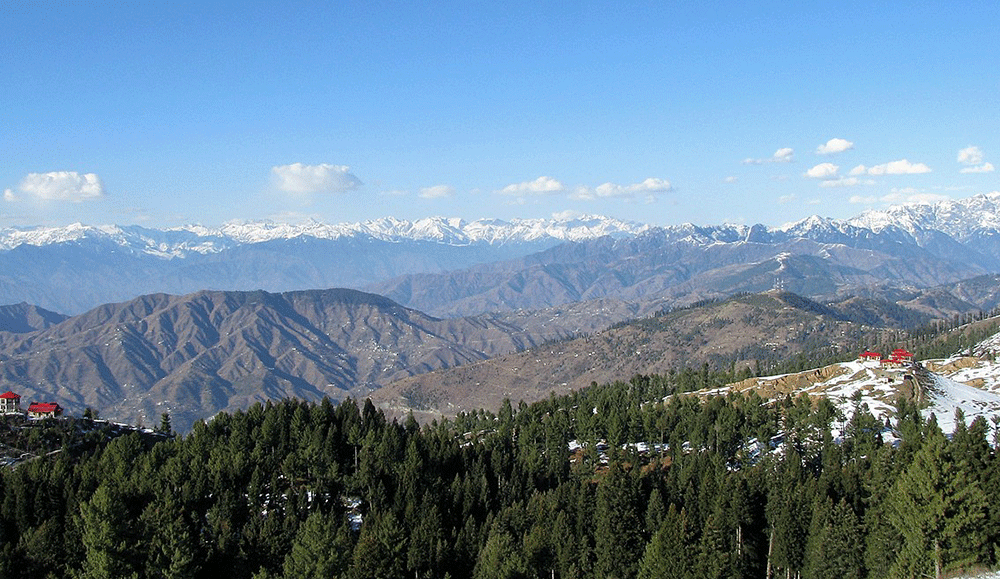
A day excursion to Malam Jabba from Peshawar offers an exhilarating escape into the heart of the Hindu Kush mountains, combining adventure, natural beauty, and refreshing mountain air. Known as Pakistan’s premier ski resort, Malam Jabba is equally enchanting in summer and winter, making it an ideal year-round destination for travelers seeking both thrill and tranquility.
The journey begins early in the morning, leaving the bustling streets of Peshawar behind as you drive through the scenic Malakand Pass and up the Swat Valley. The road winds through rugged hills, terraced fields, and charming villages, with the Swat River glistening below. As you climb higher, the air becomes cooler, the landscape more dramatic, and snow-draped peaks begin to appear on the horizon.
Arriving at Malam Jabba, perched at over 9,000 feet, you’re greeted by breathtaking panoramic views of forested slopes, deep valleys, and majestic peaks. In winter, the resort transforms into a snowy wonderland, drawing skiers, snowboarders, and snow lovers from across the country. The well-maintained ski slope, ski rentals, and professional instructors make it accessible even for beginners. The chairlift ride is a highlight in all seasons — gliding silently over pine forests and white or green expanses, depending on the time of year, with sweeping views of the Swat Valley below.
In summer, when the snow has melted, Malam Jabba turns into a lush paradise of wildflowers and greenery. Visitors can enjoy day hikes along scenic trails that meander through alpine meadows and pine forests, offering spectacular vistas and a peaceful escape from the summer heat of the plains. The hiking routes also provide plenty of photo opportunities and chances to spot local wildlife.
For those seeking relaxation, simply soaking in the serene mountain atmosphere, enjoying a warm cup of tea, and watching the clouds drift over the peaks is equally rewarding.
Whether you come for skiing in winter, hiking in summer, or simply to experience the stunning landscapes and cool mountain air, a day trip to Malam Jabba from Peshawar is a perfect blend of adventure and serenity — an unforgettable experience in every season.
1 Days / Nights
Day Excursion To Khyber Pass
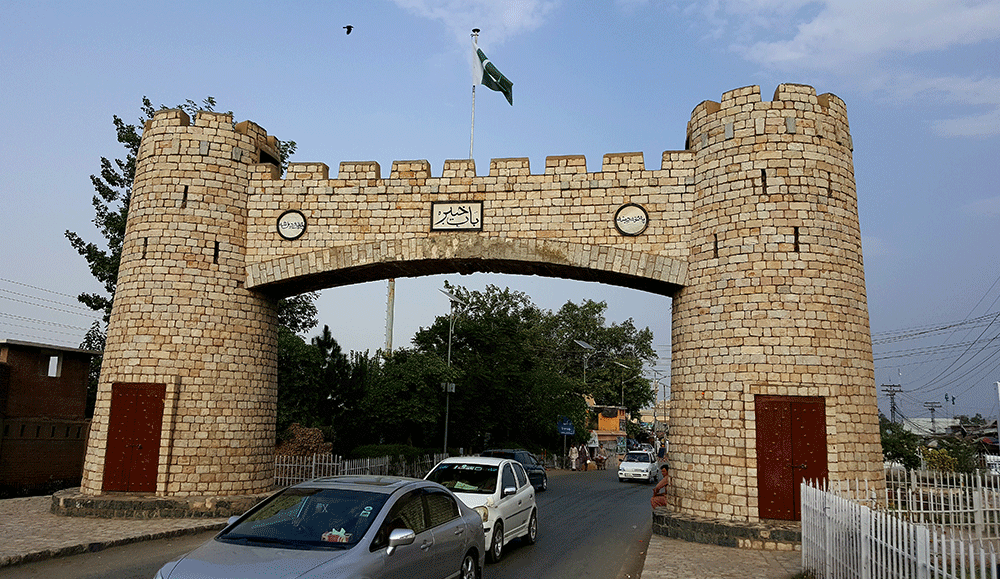
A day excursion to the legendary Khyber Pass from Peshawar is a journey through history, culture, and breathtaking mountain scenery. The Khyber Pass, straddling the border between Pakistan and Afghanistan, has served for centuries as one of the most famous mountain passes in the world. It has witnessed countless armies, traders, and travelers — from Alexander the Great to the British Raj — making it a living monument to the ebb and flow of empires.
Starting early from Peshawar, visitors travel northwest into the rugged hills of the Hindu Kush range. The road climbs dramatically, winding through arid, rocky terrain dotted with ancient forts, watchtowers, and small villages. The landscape is stark yet magnificent, with jagged cliffs, deep ravines, and panoramic views that have inspired poets and adventurers alike. Along the way, one can see the historic Jamrud Fort, which guards the mouth of the pass, and the Michni Post, offering sweeping vistas all the way to Afghanistan.
One of the highlights of this trip is the historic Khyber Steam Train Safari, a nostalgic experience that harks back to the British colonial era. This vintage train, powered by a majestic steam locomotive, once chugged along a narrow-gauge railway line built by the British in the 1920s. The journey takes passengers through a series of dramatic tunnels and high trestle bridges, offering unique perspectives of the harsh yet captivating landscape and glimpses of tribal life along the route. The train safari, when operational, is a rare opportunity to relive a bygone era of frontier travel.
The Khyber Pass is dotted with landmarks that tell the story of its turbulent past: the Ali Masjid mosque perched above a gorge, battle sites from the Anglo-Afghan wars, and plaques commemorating soldiers and explorers. The cultural vibrancy of the Pashtun people is also evident throughout the journey, reflected in their colorful attire, bustling bazaars, and traditional hospitality.
A day trip to the Khyber Pass is more than just a scenic outing — it is a profound encounter with history, geography, and culture, offering a glimpse into one of the world’s most storied and strategic mountain corridors.
1 Days / Nights
Peshawar City Tour
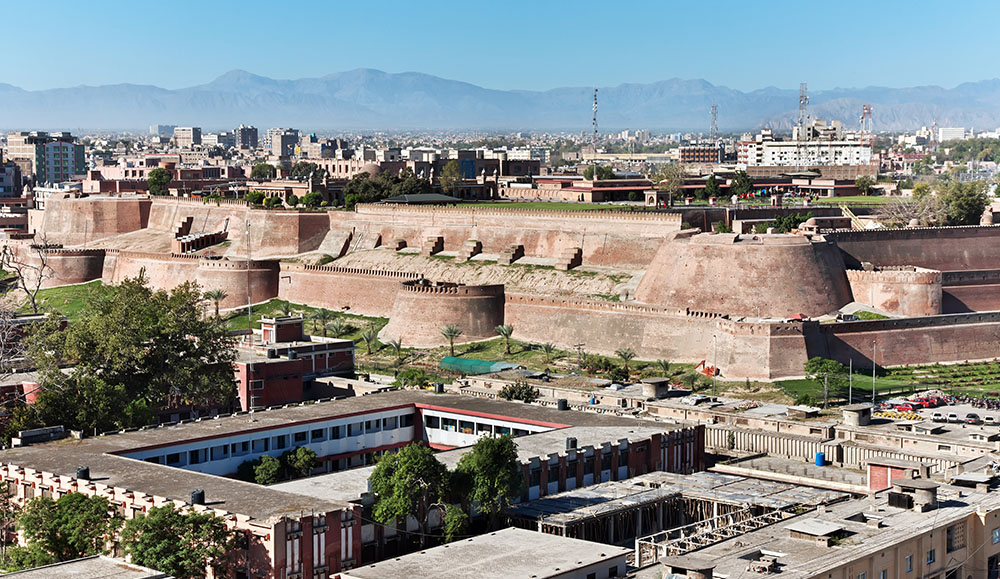
Nestled in the northwestern frontier of Pakistan, Peshawar is one of South Asia’s oldest living cities, a vibrant mosaic of history, culture, and tradition. With roots stretching back over 2,000 years, it has witnessed the rise and fall of empires—from the Achaemenids and Kushans to the Mughals and the British Raj. Once a vital stop on the ancient Silk Road, Peshawar continues to be a melting pot of civilizations and a gateway to Central Asia. A Peshawar city tour explores its prime attractions.
The city’s rich architectural heritage is exemplified by the Mahabat Khan Mosque, a 17th-century Mughal marvel with intricate tile work and towering minarets. The historic Qissa Khwani Bazaar, or “Storytellers’ Market,” evokes a bygone era when travelers and merchants exchanged tales over cups of steaming green tea. Stroll through the narrow alleys and you’ll find vibrant bazaars filled with handcrafted jewelry, intricate fabrics, and Peshawari chappals—offering an unforgettable shopping experience.
Peshawar’s culinary landscape is just as captivating. Renowned for its hearty, meat-rich dishes like chapli kebab, mutton karahi, and Kabuli pulao, the city also boasts traditional sweets like halwa and sheer khurma. Whether at a roadside dhaba or a historic food street, the flavors of Peshawar tell their own story.
The people of Peshawar—primarily Pashtuns—are known for their legendary hospitality, pride in cultural identity, and deep-rooted traditions. Their music, dance, poetry, and dress reflect a centuries-old heritage that continues to thrive.
Tourists are drawn not only to Peshawar’s vibrant life but also to its archaeological treasures, including the Peshawar Museum, home to one of the world’s largest collections of Gandhara Buddhist art. Nearby sites like the Bala Hisar Fort and Jamrud Fort speak to the city’s strategic importance over millennia.
Today, Peshawar stands as a living archive of the subcontinent’s past and a captivating destination for those seeking history, flavor, and authenticity. With its fusion of ancient charm and dynamic present, Peshawar is not just a city—it’s an experience waiting to be discovered. Enjoy your Peshawar city tour for lasting memories of this amazing city.
1 Days / Nights
Mountain Valleys Safari
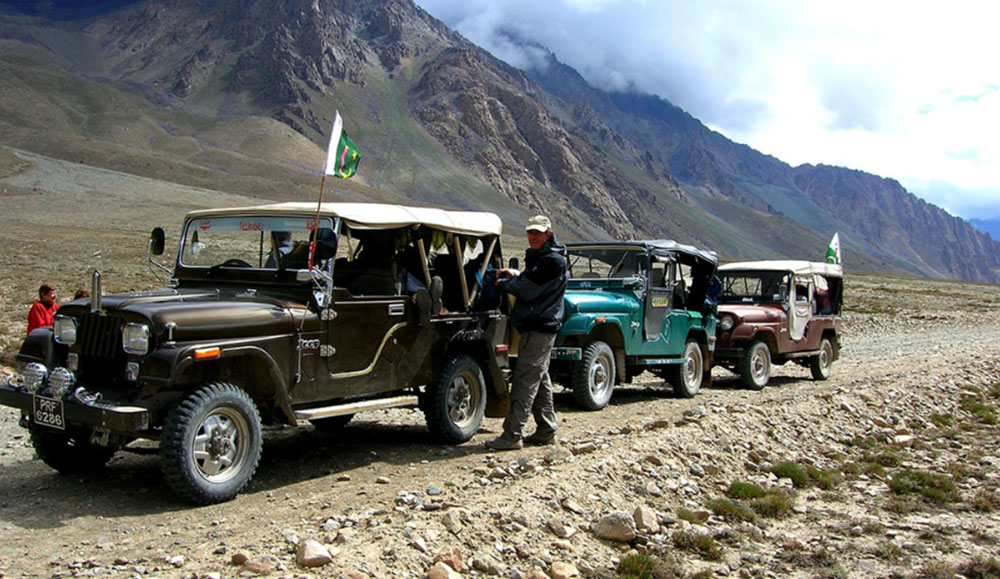
The 22-day journey through Pakistan’s northern mountain valleys, starting from Islamabad and passing through Naran, Astore, Deosai, and beyond, offers a mesmerizing experience of nature’s grandeur. This tour navigates you through the scenic valleys in the great mountain ranges of Himalaya, Hindukush, and Karakorum. The first leg of the journey takes you into the Himalayas from the green hills of Islamabad to the alpine meadows of Naran and onward to the serene valleys of Astore, where the breathtaking beauty of Deosai Plains awaits. Deosai, often called the “Land of Giants,” is a stunning plateau known for its wildflowers, streams, and rare wildlife. Reaching Skardu, the gateway to the mighty Karakoram, you explore Shigar and Khaplu, both ancient towns with stunning fortresses, rich Balti culture, and views of towering peaks.
The next phase of the trip leads to the Karakourm range from Gilgit to Hunza/Nagar, and Khunjerab Pass, a journey through some of the most dramatic mountain landscapes on Earth. The Hunza Valley, with its terraced fields and snow-capped peaks like Rakaposhi, offers a glimpse into the serene lifestyle of the locals, while Khunjerab, the highest paved border crossing in the world, connects Pakistan to China and offers unparalleled views. After enjoying the majestic beauty of these valleys, the journey winds its way to the enchanting Phander Lake, a turquoise gem surrounded by peaceful pastures, and then to Chitral, a remote yet culturally rich region.
The final leg is the Hindukush mountain valleys from Gilgit to Ghizer district and onwards to Chitral. Chitral opens the way to the Kalash Valleys, where the unique Kalash tribe celebrates their centuries-old traditions amidst stunning scenery. The route back to Islamabad passes through Swat, often called the “Switzerland of the East” for its verdant landscapes, rivers, and cultural treasures. In Swat, historical sites such as the Buddhist relics in Mingora and the breathtaking Swat Valley offer a blend of nature and heritage. Completing the journey back to Islamabad, this adventure encompasses some of Pakistan’s most picturesque and culturally diverse regions, creating memories of awe-inspiring landscapes, ancient traditions, and warm hospitality.
22 Days / 21 Nights
Day Excursion To Swat Valley (from Rawalpindi/Islamabad)
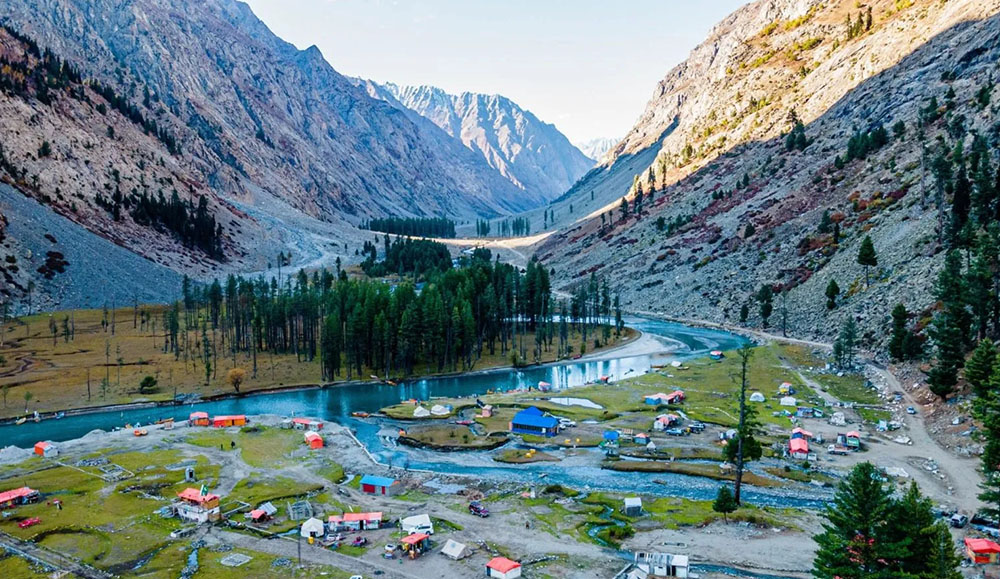
A day excursion to the magical Swat Valley — starting either from Rawalpindi/Islamabad — is a rewarding journey into one of Pakistan’s most beautiful and historically significant regions. Often called the “Switzerland of the East,” Swat is nestled in the foothills of the Hindu Kush mountains and is renowned for its green meadows, snow-capped peaks, crystal-clear rivers, and rich cultural heritage.
A day excursion to the magical Swat Valley from Rawalpindi/Islamabad is an unforgettable journey into one of Pakistan’s most breathtaking and historically rich regions. Known as the “Switzerland of the East,” Swat lies in the embrace of the Hindu Kush mountains, famed for its lush meadows, glistening rivers, towering peaks, and deep cultural heritage.
The trip begins before dawn, as travelers set off on the motorway towards Mardan, passing rolling plains that give way to dramatic hills. After joining the legendary Malakand Pass, the road winds through rugged mountains, dotted with terraced fields, fruit orchards, and traditional villages. The mighty Swat River accompanies you much of the way, its clear waters sparkling under the morning sun.
Reaching Mingora the bustling heart of Swat you’re greeted by colorful bazaars, aromatic food stalls, and a lively atmosphere. A stroll through Mingora Bazaar offers a glimpse of Swati life and a chance to pick up exquisite handicrafts or embroidered shawls. Just beyond lies the ancient Butkara Stupa, a remarkable Buddhist relic from the Gandhara civilization, reflecting Swat’s spiritual and archaeological significance.
Next, head to Saidu Sharif, the valley’s administrative capital. Here, the Swat Museum awaits, housing an impressive collection of Gandharan sculptures, coins, and artifacts that chronicle the valley’s Buddhist past. The museum’s serene gardens and exhibits offer a quiet moment to appreciate Swat’s rich history.
For those who cherish nature, a stop at Fizagat Park along the Swat River provides a serene retreat with stunning views, crisp mountain air, and perfect picnic spots. The entire journey is lined with postcard-perfect scenery snow-dusted peaks, verdant valleys, and the ever-present river creating unforgettable photo opportunities.
This day trip beautifully blends history, culture, and nature. You’ll experience the warmth of Pashtun hospitality, marvel at ancient monuments, and bask in Swat’s unmatched beauty — all within a single day. Though the journey is long, the reward is immense, and the memories of Swat’s magic will stay with you forever.
1 Days / Nights
Day Excursion To Taxila (from Rawalpindi / Islamabad)
Just a short 40 km drive from the twin cities of Islamabad and Rawalpindi, and 156 km from Peshawar, lies a gateway to one of the world’s most profound historical wonders—Taxila, a UNESCO World Heritage Site and a must-visit destination for any traveler seeking to uncover the soul of ancient South Asia. A day excursion to Taxila isn’t just a sightseeing trip—it’s a powerful journey through time, perfect for history buffs, archaeology enthusiasts, and curious adventurers alike.
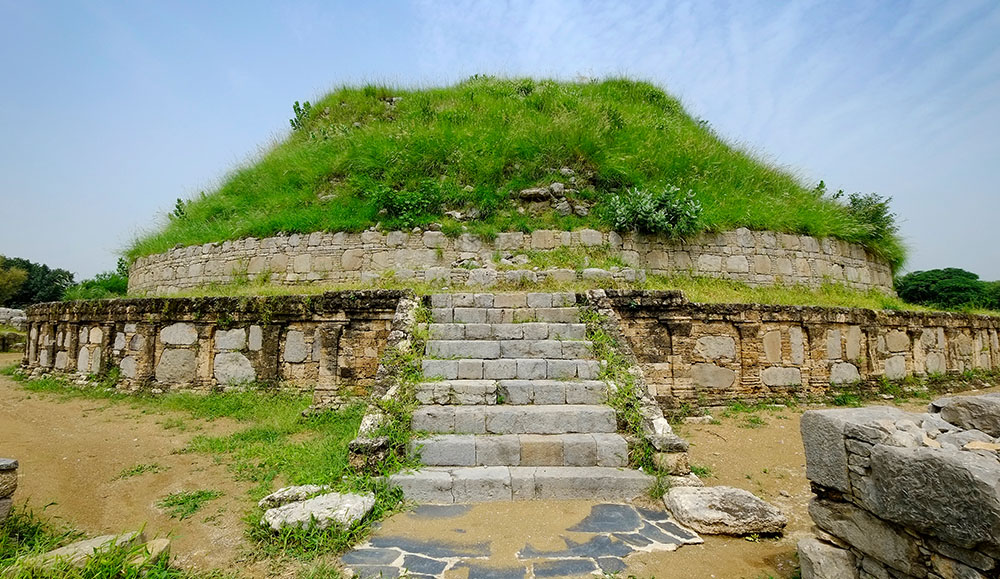
Dating back to 3500 BCE, Taxila—once known as Takshasila—was a flourishing center of learning, trade, and Buddhist philosophy. As you walk through its over 50 excavated sites, you’ll stand where some of the earliest scholars and monks once lived, studied, and taught. This ancient metropolis was a melting pot of cultures and ideas, shaped by the mighty Achaemenid, Mauryan, and Kushan empires. Here, history is not hidden behind glass but sprawled across sun-drenched fields and stone pathways that whisper stories of enlightenment and empire.
Your day could begin at Sirkap, an ancient city planned with Greek architectural influence, then take you up the hills to Jaulian, an ancient Buddhist university remarkably well preserved, with meditating cells and stupas overlooking lush valleys. Visit Dharmarajika Stupa, where sacred relics are believed to have once been housed, and Mohra Moradu, a peaceful monastic complex showcasing beautiful Gandharan art. Each site is not just a ruin, but a piece of a grand civilizational puzzle waiting to be rediscovered.
No visit to Taxila is complete without exploring the Taxila Museum, a gem in its own right. Housed in a colonial-era building, the museum offers a curated narrative of the region’s history through its extensive collection of statues, tools, ornaments, coins, and sacred artifacts. It’s a rare chance to see how everyday life and spiritual practice intertwined in one of history’s most intellectually vibrant cities.
With its easy accessibility and immense historical significance, a day excursion to Taxila is more than just a break from the city it’s an inspiring dive into humanity’s shared past. Pack a camera, wear comfortable shoes, and prepare for a deeply enriching experience. Your journey into the cradle of Gandhara civilization awaits step into history, just an hour away.
Note: The museum is open every day except on the first Monday of each month and on all Islamic Holidays
Timings: Winter: 9 am to 4 pm, Summer: 8:30 am to 5 pm
1 Days / Nights
Day Eaxcursion To TAKHT-I-BAHI MONASETERY (from Rawalpindi / Islamabad)
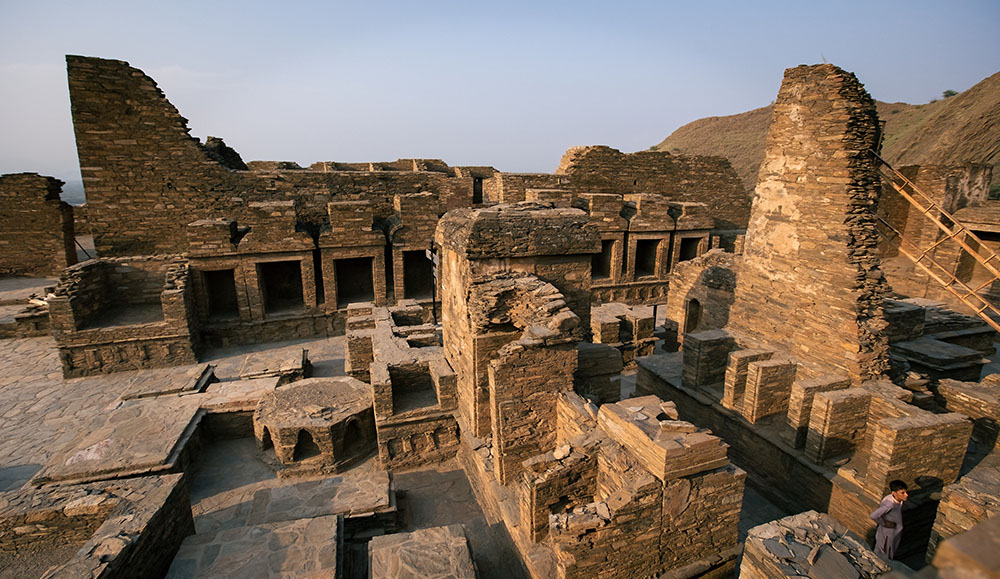
A day excursion to Takht-i-Bahi Monastery from Rawalpindi, Islamabad promises not just a scenic drive but an unforgettable dive into one of South Asia’s most remarkable ancient sites. Located approximately 165 kilometers northwest of Rawalpindi/Islamabad, Takht-i-Bahi (meaning “Throne of the Water Spring”) stands as a rare and remarkably well-preserved relic of the Gandhara civilization, a fusion of Greco-Roman and Indian art and philosophy that flourished between the 1st century BCE and 7th century CE.
The monastery complex is dramatically perched on a hill, offering panoramic views of the surrounding plains. This elevated position was likely strategic both defensively and spiritually as Buddhist monks sought isolation for meditation and study. The site’s layout reflects sophisticated architectural planning: its network of stupas, monastic cells, courtyards, assembly halls, and meditation chambers are arranged in harmony with the natural contours of the terrain. The structures are built primarily of stone masonry, and despite centuries of exposure, many elements remain intact, allowing visitors to walk through history as they explore the echoing corridors once used by monks and pilgrims.
Takht-i-Bahi is recognized as a UNESCO World Heritage Site, one of only six in Pakistan, underscoring its global significance as a cultural and spiritual treasure. The site’s importance lies not only in its architectural integrity but also in its historical role as a thriving center for Buddhist learning and practice during the Gandhara period. Reliefs and sculptures unearthed here have provided scholars with valuable insight into Buddhist iconography and the transcontinental spread of Buddhism via the Silk Road.
Traveling from Islamabad or Rawalpindi takes around 2.5 to 3 hours by road, making this journey perfect for a full-day historical adventure. Along the way, one encounters the serene rural beauty of northern Pakistan, with green fields, small villages, and rolling hills creating a tranquil backdrop.
For history enthusiasts, spiritual seekers, or casual travelers with a curiosity for ancient civilizations, a day excursion to Takht-i-Bahi Monastery is more than a sightseeing trip it translates Pakistan’s rich and diverse heritage preserved for centuries. The silence of the ruins speaks volumes, echoing tales of devotion, enlightenment, and the enduring human quest for meaning.
1 Days / Nights
Kalash Chilam Joshi Festival Tour
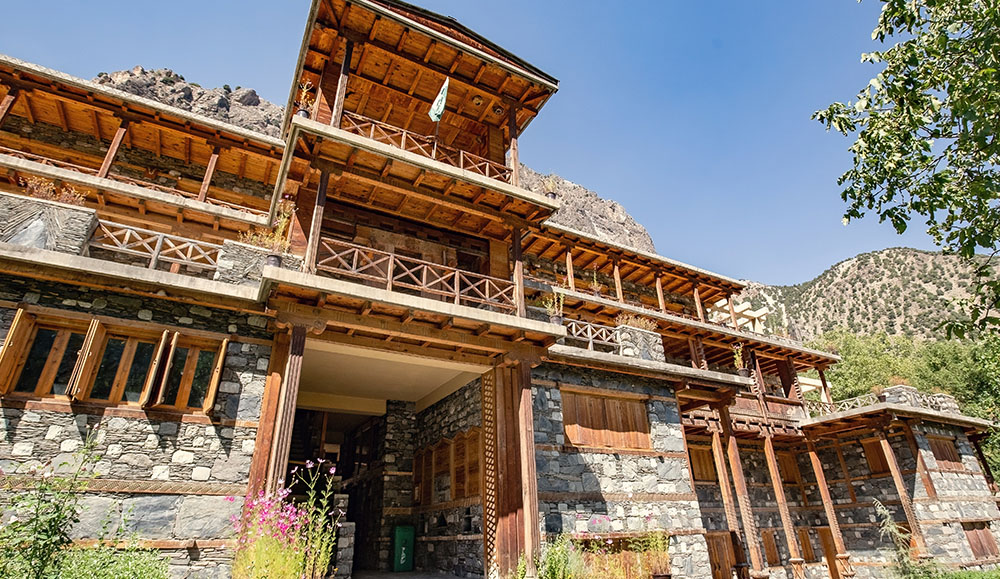
The Kalash Chilam Joshi Festival Tour is a rare cultural journey into the heart of Pakistan’s Hindu Kush mountains, where one of the most unique and ancient communities in the world celebrates the arrival of spring. The Kalash people, known for their distinct traditions, polytheistic beliefs, and vibrant attire, have preserved a way of life unlike any other in the region. Each May, their Chilam Joshi Festival marks a joyful time of renewal, thanksgiving, and spiritual reflection.
This ten-day tour begins in Islamabad, then winds through the green landscapes of Swat Valley, the rugged mountain passes of Chitral, and finally reaches the secluded Kalash Valley. Along the way, travelers explore natural wonders like Chitral Gol National Park, ancient Buddhist ruins at Takht-e-Bahi, and heritage sites reflecting centuries of cultural evolution.
In Bamburet Valley, the largest of the Kalash valleys, travelers experience the highlight of the journey the Chilam Joshi Festival. The festival opens with rituals to purify the valley, such as sprinkling milk over the land. Locals don their finest embroidered robes and beaded headdresses, filling the air with music, dancing, and traditional storytelling. More than just a celebration, Chilam Joshi is a vital expression of the Kalash people’s gratitude to their gods for a safe winter, healthy livestock, and hopes of a prosperous year ahead.
Beyond the festival, the tour offers an intimate look at the daily life, architecture, mythology, and spiritual beliefs of the Kalash community. It also provides a broader view of northern Pakistan’s rich cultural and ecological diversity from the high mountains of Chitral to the lush plains of Swat.
Perfect for travelers seeking cultural authenticity, natural beauty, and meaningful encounters, the Kalash Chilam Joshi Festival Tour is more than a trip it’s a deep cultural immersion into one of Pakistan’s most enchanting and resilient traditions.
10 Days / 9 Nights
Ushu Forest & Kalam
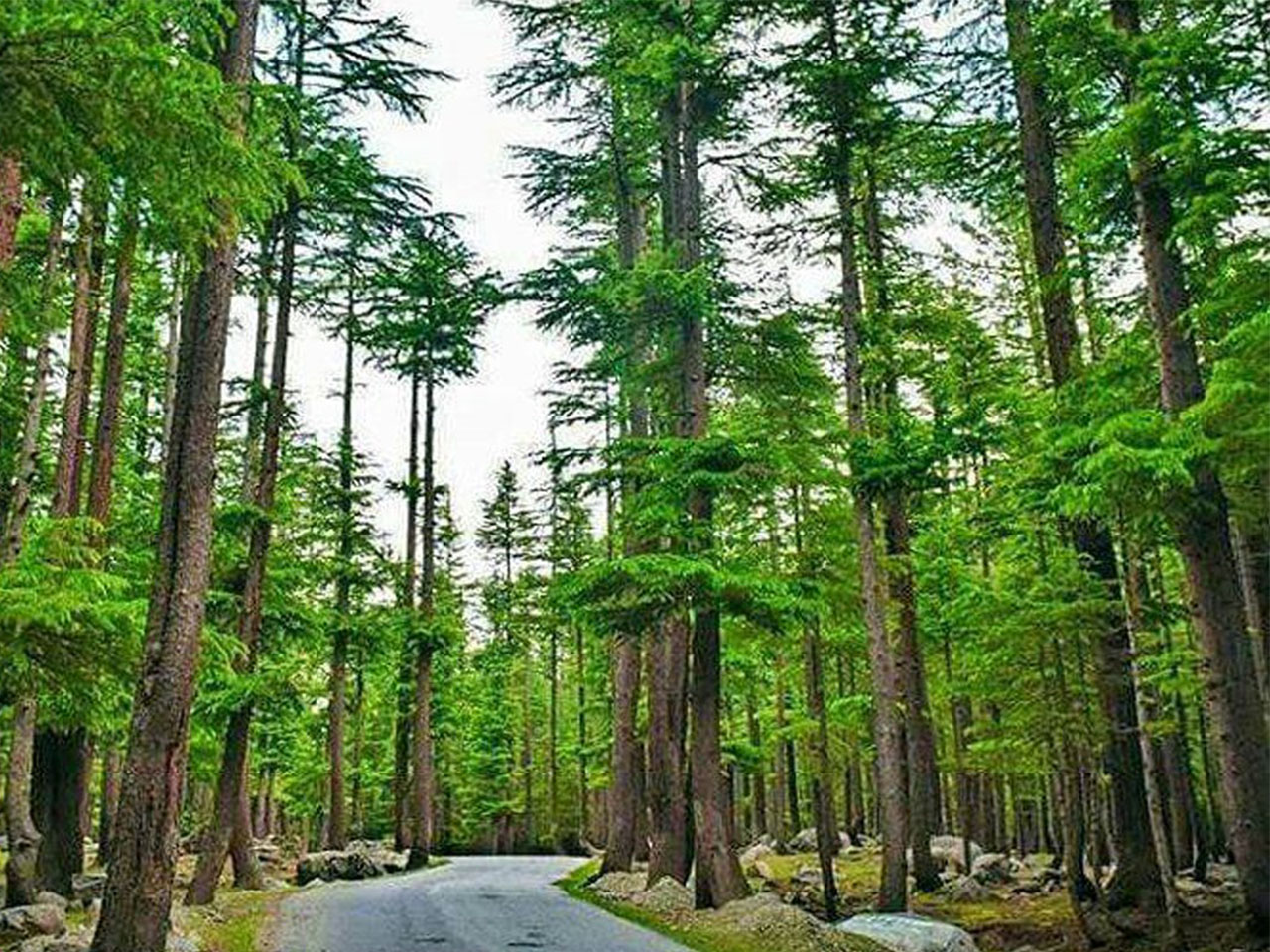
Swat, “the paradise on earth” is in the north-west of Pakistan. District Swat is an administrative unit which lies in the jurisdiction of Malakand division, north-west frontier province (N.W.F.P). Swat valley, the land of waterfalls, lakes, lush green hills and other gifts bestowed upon it by nature, is only 270 km drive from Islamabad, the capital of Pakistan. Swat, an attractive spot for the outsiders to be visited as many times as possible due to its natural beauty and unique culture. Swat, the princely state of the past, supports about 1330001 individuals having an area of about 8786 square km, a historic site of the world which has seen many rulers, cultures, civilizations and religions to be it’s parts once in the history. The beautiful sites of the valley are, Kalam, Madyan, Bahrain, Malam Jabba, Miandam and Saidu Sharif, while Saidu Sharif as its capital.
6 Days / 5 Nights
Swat Buddhist Heritage Tour
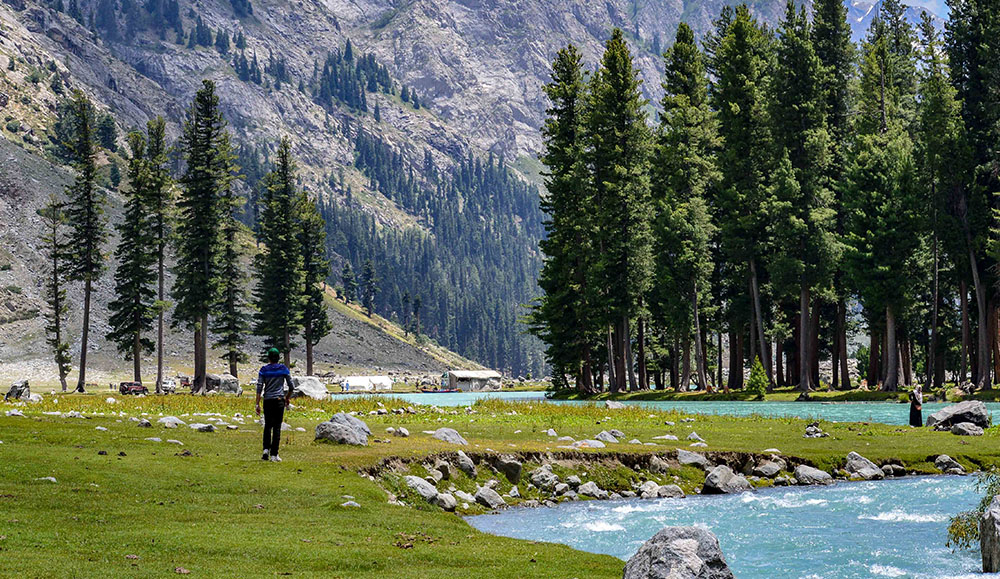
Nestled among the forested mountains of northern Pakistan, Swat Valley once known as Udyana or “The Garden”—is one of the most important centers of ancient Buddhist civilization in South Asia. This land, described in early Chinese pilgrim records, was a flourishing hub of Gandhara Buddhism, where monks, scholars, and artists created a legacy of learning and spirituality that still echoes through its valleys today. The Swat Buddhist Heritage Tour is a carefully curated journey for international travelers seeking to explore this unique intersection of history, faith, and art.
Swat’s Buddhist history spans over a thousand years, from the time of Ashoka the Great in the 3rd century BCE to the 10th century CE. The valley was dotted with monasteries, stupas, and learning centers, many of which were documented by famous Chinese pilgrims like Faxian and Xuanzang. The Gandhara civilization that flourished here was famous for its distinctive Greco-Buddhist art, which combined Hellenistic styles with local traditions to produce exquisite stone carvings of the Buddha, bodhisattvas, and Jataka tales.
This tour traces that sacred heritage through visits to major archaeological and cultural sites. In Saidu Sharif, travelers will explore the Swat Museum, home to an extraordinary collection of Gandhara sculptures. The nearby Butkara Stupa, believed to have been built during Ashoka’s reign, stands as one of the oldest Buddhist monuments in the region. Other highlights include the Saidu Stupa complex, the beautifully situated Amluk Dara Stupa, and the Shingardar Stupa, still standing tall against the mountainous backdrop.
You’ll also visit Udegram, an archaeological site with Buddhist and early Islamic layers, and Barikot, the ancient city of Bazira, besieged by Alexander the Great. Each location reveals layers of spiritual and historical richness that have survived time, invasions, and nature.
Combined with the breathtaking natural beauty of Swat Valley, warm local hospitality, and immersive cultural experiences, Swat Buddhist Heritage Tour offers far more than sightseeing—it is a deep and moving exploration of one of the most profound spiritual legacies in Asia.
6 Days / 5 Nights
Uchal Kalash Summer Festival Tour
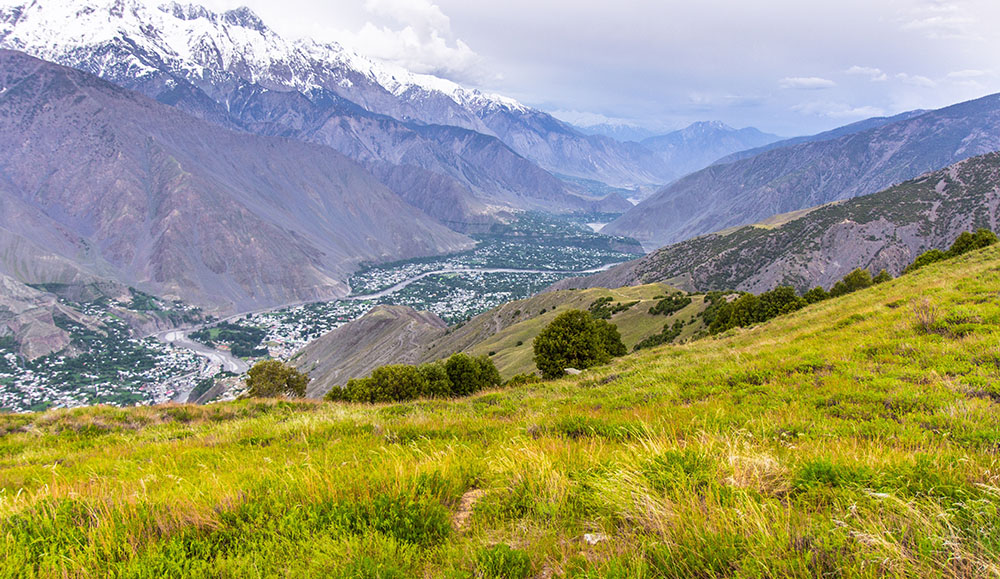
Step into the mystique of Pakistan’s northwestern Hindukush lure with a visit to The Alluring Kalash Valleys during one of their most important celebrations—the Uchal Summer Festival. This enchanting Uchal Kalash Summer Festival Tour takes you deep into the secluded and mystical Kalash valleys, home to the Kalasha people, a pre-Islamic Indo-Aryan tribe whose vibrant culture has endured for centuries. Every August, the Kalasha celebrate the Uchal Festival, giving thanks for a bountiful harvest. With traditional dances, ritual songs, ceremonial processions, and feasts of yoghurt, cheese, and cornbread, the festival becomes a captivating expression of spiritual joy and cultural resilience. Adorned in their signature black robes and vivid headpieces, Kalash women lead the spirited celebrations, creating a once-in-a-lifetime cultural spectacle.
Recognized by UNESCO as Intangible Cultural Heritage, Kalash culture stands as one of South Asia’s most intriguing and endangered living traditions. This tour not only brings you face-to-face with the Kalasha way of life but also unveils the majestic landscapes of Chitral Gol National Park, the healing sulphur springs of Garam Chashma, and the spectacular valleys of Bumburet and Rumbur.
As the journey winds southward, travelers will stop at Takht-e-Bahi Monastery, a UNESCO World Heritage Site near Mardan. This 1st-century CE Buddhist monastic complex is considered one of the best-preserved examples of Gandharan architecture, perched dramatically on a hilltop that once welcomed monks, scholars, and pilgrims.
Finally, explore the historic city of Peshawar, South Asia’s oldest living city. From the ancient Qissa Khwani Bazaar to the colonial-era Mahabat Khan Mosque and Sethi House, Peshawar offers a striking blend of Afghan, Mughal, and British heritage. The visit ends with a glimpse of the Khyber Pass, the famed gateway to Central Asia.
Book your Uchal Kalash Summer Festival Tour with Pearl Tours and witness a world where legend, landscape, and living tradition merge into one unforgettable experience.
9 Days / 8 Nights