
Hospitality Beyond Borders
Tours in Gilgit
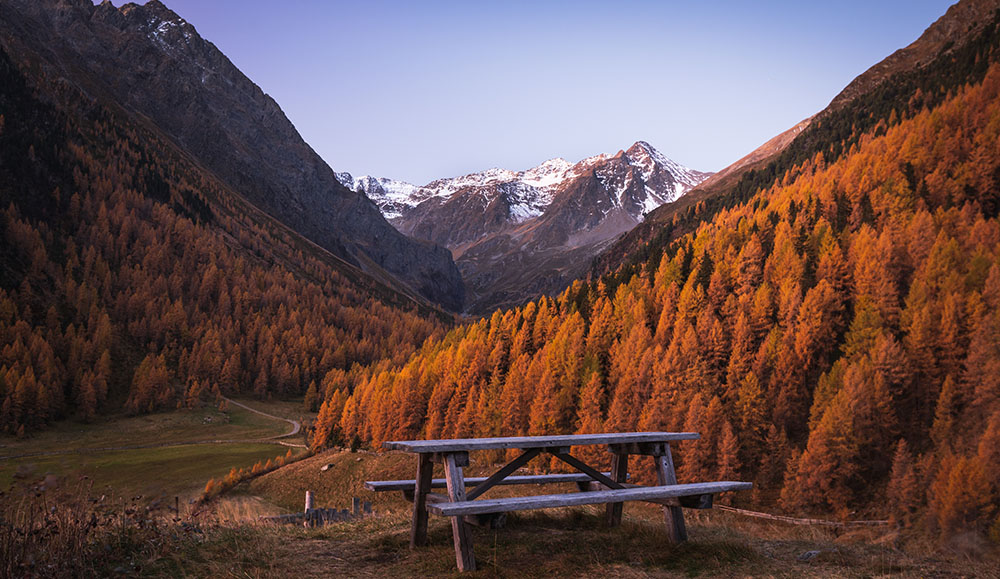
Gilgit-Baltistan Autumn Tour
Autumn in Gilgit-Baltistan is a season of unparalleled beauty, where nature unfolds its most vibrant and colorful spectacle. Nestled among the towering peaks of the Karakoram, Himalayas, and Hindu Kush ranges, the region transforms into a breathtaking landscape as summer fades away. This season, which typically spans from late September to November, is marked by a stunning change in the foliage, drawing visitors from all over the world to witness this natural wonder.
As autumn begins, the trees, particularly the poplars, apricots, and walnuts, turn into a vibrant mosaic of colors. The green leaves gradually shift to shades of gold, amber, crimson, and orange, creating a vivid contrast against the clear blue skies and the snow-dusted peaks that surround the valleys. The Hunza, Skardu, and Khaplu valleys, in particular, become a paradise for nature enthusiasts and photographers, offering panoramic views that are both serene and majestic.
The crisp, cool air of autumn, combined with the warm, golden sunlight, enhances the region’s charm. The rivers, reflecting the colorful trees and towering mountains, add to the pleasant scenery. The sound of rustling leaves and the sight of the first snow settling on the higher altitudes create a tranquil atmosphere, making it an ideal time for reflection and relaxation.
This season attracts a diverse range of visitors, from adventure seekers to cultural tourists. Trekkers and hikers are drawn to the region to explore its trails, which are more accessible and enjoyable during the mild autumn weather. Photographers flock to capture the stunning landscapes, while cultural enthusiasts are attracted by the traditional festivals that take place in the autumn, such as the harvest festivals in various valleys.
13 Days / 12 Nights
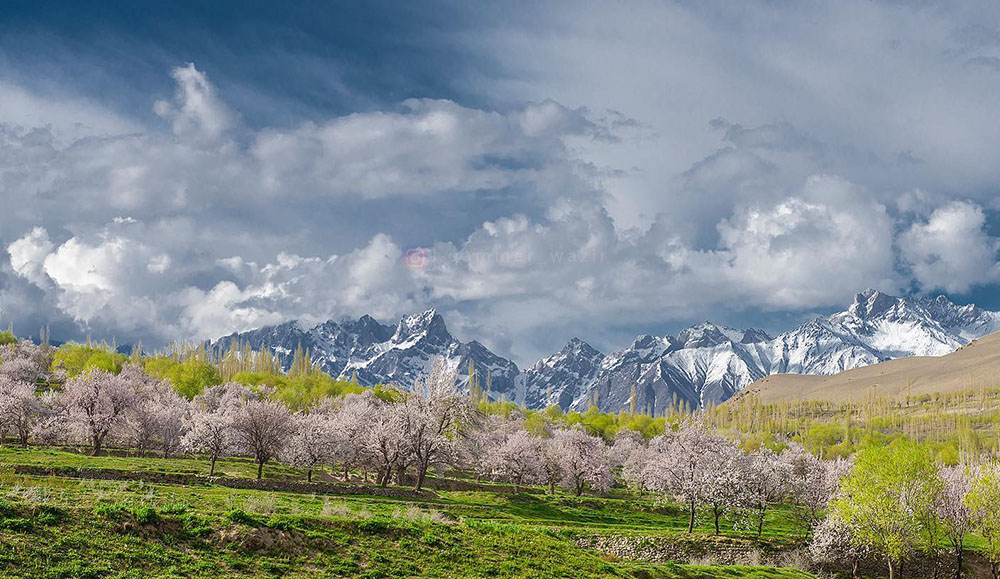
Blossom in Baltistan
Blossom in Baltistan is nothing short of magical. As winter loosens its icy grip, the valleys of Skardu, Shigar, and Khaplu awaken in a breathtaking display of colors and fragrance. From late March to the end of April, nature performs its most spectacular act—cherry, apricot, peach, apple, and plum trees burst into a vibrant blend of white, pink, orange, and red blossoms. These are set against a dramatic backdrop of snow-capped peaks, creating a visual spectacle that enchants photographers, nature lovers, and dreamers alike.
In Skardu town, the charm of blossom season is accentuated by the stunning views of the Indus River winding through the valley, surrounded by blooming orchards. From the historic Kharpocho Fort, visitors can enjoy panoramic views of the town, the mighty Indus, and the surrounding mountains. The serene beauty of Skardu becomes even more captivating as the blossoms paint the landscape in delicate hues.
Kachura Valley adds to the allure with its sparkling lakes and lush orchards. Lower Kachura, home to the famous Shangrila Resort, is particularly mesmerizing during blossom season, while Upper Kachura Lake’s serene waters reflect the blooming trees and snow-capped peaks, creating postcard-perfect scenes. Chunda Valley, another hidden gem, transforms into a paradise of color with its vibrant blossoms set against rugged mountain terrain, offering an unforgettable escape into nature.
The lower-altitude areas bloom earlier, while higher regions like Khaplu reveal their blossoms a little later—each location offering its own rhythm of spring. Walking through these valleys during blossom season is like stepping into a painting. Streams gurgle through meadows dotted with wildflowers, and traditional Balti homes framed by blooming trees offer postcard-perfect scenes.
Shigar and Khaplu are particularly renowned during this time. Khaplu, in particular, is ideal for families and honeymooners, offering sweeping vistas, warm hospitality, and deep cultural encounters. Whether you’re boating on Kachura Lake, strolling in Chunda Valley, or sipping tea in a centuries-old fort, this journey is one of serenity, color, and pure joy.
6 Days / 7 Nights
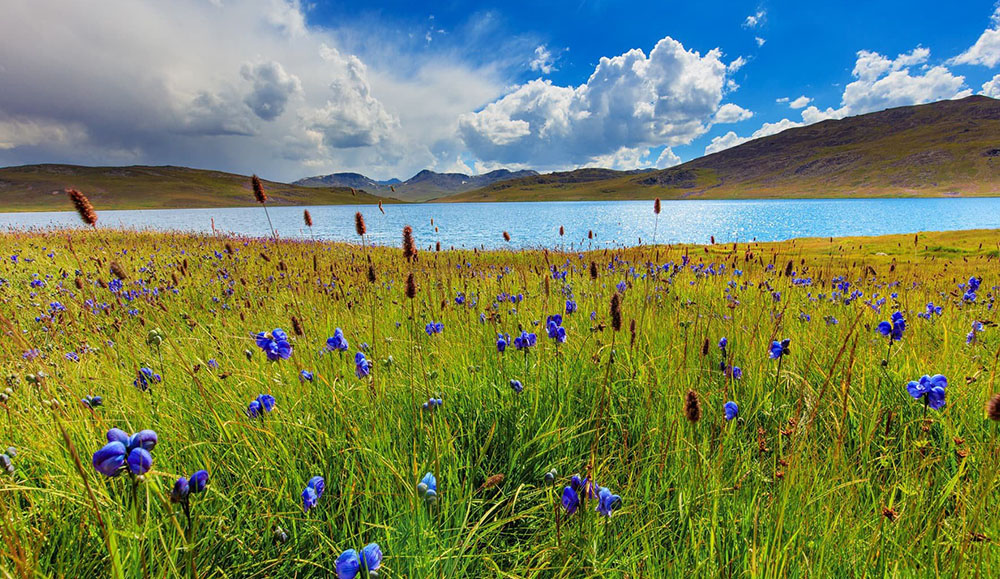
Astore and Deosai Plains
The Astore and Deosai Plains tour is an epic journey into the Himalayan range. Astore Valley, stretching 120 km and covering 5,000 km² in northern Pakistan’s Gilgit-Baltistan, lies on the eastern face of the mighty Nanga Parbat (8,125 m), often called the Killer Mountain for its formidable climbing challenges. This valley, renowned for its colossal beauty and geographic contrasts, offers adventurous travelers endless trekking opportunities and a rare chance to experience a rich culture untouched by mass tourism.
Astore and Deosai Plains tour starting from Islamabad to Astore, Rama Lake, Rupal Valley, and Deosai National Park is an unforgettable exploration of the Himalayas’ splendor. Starting from Islamabad, the tour follows the scenic Karakoram Highway to Naran — a charming town nestled among lush green valleys, snow-clad peaks, and gushing streams, perfect for soaking in the crisp mountain air.
From Naran, the road climbs over Babusar Pass into the enchanting Astore Valley. Here, stone-and-mud houses, terraced fields, and warm, hospitable locals embody a lifestyle in harmony with nature. The cool climate, wildflower-filled pastures, and serene atmosphere make Astore a true hidden gem of the Himalayas.
From Astore, a day excursion to Rama Lake leads you through pine forests, meadows, and streams to the tranquil lake surrounded by snow-covered peaks and grassy plains — ideal for reflection and photography. Another highlight is a full-day visit to the spectacular Rupal Valley, located on Nanga Parbat’s southern side. Famous for its lush green landscapes, dramatic views of the mountain’s Rupal Face, and picturesque trekking trails, the valley offers visitors breathtaking scenery and excellent photography opportunities before returning to Astore for the night.
No trip to Astore is complete without exploring the magnificent Deosai National Park — the “Land of Giants.” This vast alpine plateau, among the world’s highest, dazzles with its endless pastures, grazing yaks, playful marmots, and carpets of wildflowers. At its heart lies Sheosar Lake, a turquoise jewel encircled by alpine blooms and mountain vistas — a truly unforgettable sight.
The return journey retraces the route back to Islamabad via Naran, leaving travelers with indelible memories of serene valleys, timeless stone villages, glacial waters, and Pakistan’s unspoiled highland beauty. Among all its wonders, Rama Meadows, Rama Lake, and the valleys of Astore will leave you in awe of this majestic region.
7 Days / 6 Nights
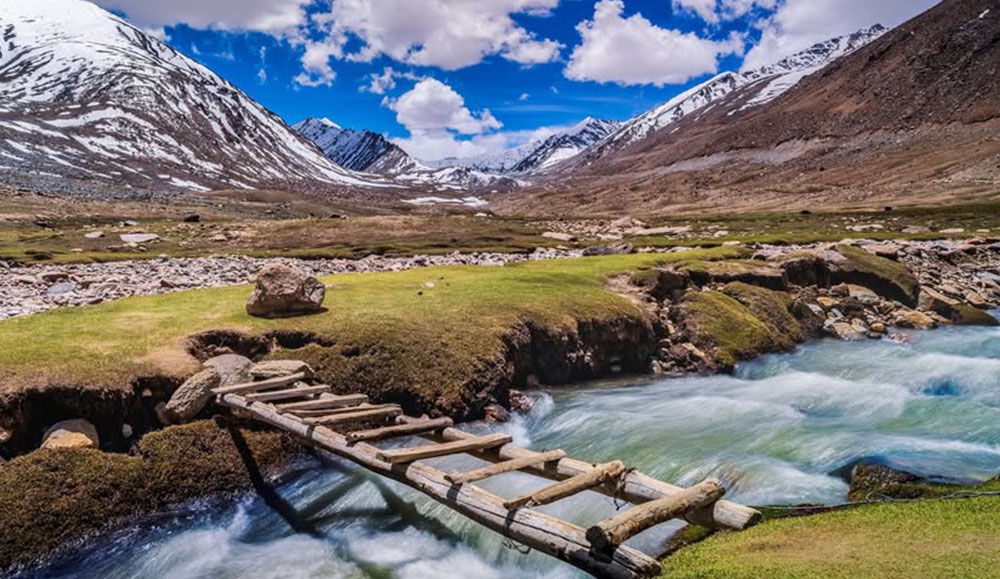
The Great Himalayan Passage
Venture on an unforgettable highland odyssey through the northern crown of Pakistan with The Great Himalayan Passage—a journey that combines legendary mountains, pristine wilderness, and remote highland cultures. Traversing from the lush forests of Fairy Meadows to the surreal landscapes of the Deosai Plains, and finally to the enchanting valleys of Skardu, this summer adventure is a rich tapestry of alpine beauty and raw adventure.
The expedition begins with the awe-inspiring Karakoram Highway (KKH), one of the highest paved international roads in the world, winding through the majestic Kaghan Valley toward Raikot Bridge, the gateway to the mighty Nanga Parbat. From there, a rugged jeep track leads to Tato Village, followed by a scenic hike through pine forests and alpine meadows to reach Fairy Meadows—a name that barely does justice to this dreamlike destination. Towering above is Nanga Parbat (8,126m), the ninth highest mountain in the world, known as the “Killer Mountain” for its formidable climbing history. A full-day hike to its basecamp rewards trekkers with jaw-dropping views of glaciers, towering ice walls, and the immense grandeur of the western Himalayas.
The route then arcs eastward into the remote Astore Valley, offering a tranquil stay at Rama Meadows and a chance to wander around the picturesque Rama Lake, framed by forests and snow-laden peaks. From here, the journey enters one of the world’s highest and most secluded plateaus—Deosai National Park. Sprawling at an average altitude of 4,100 meters, the Deosai Plains are a vast canvas of rolling meadows, wildflowers, and glacial streams, home to unique wildlife such as the Himalayan brown bear, golden marmot, and over 125 species of birds. The park is a true natural sanctuary, especially vibrant during the summer months of July to September, when the snow has melted, and life flourishes in full bloom.
Crossing Deosai, the journey descends into Skardu, the adventure capital of Gilgit-Baltistan. With time to explore this beautiful town, you’ll visit iconic locations like the ancient forts of Shigar and Khaplu, as well as the bustling bazaar and riverside promenades of Skardu town itself—surrounded by towering mountains and crystal-clear lakes.
This adventure does more than connect places—it weaves together contrasting landscapes, thrilling experiences, and an authentic taste of highland Pakistan. From Nanga Parbat’s icy flanks to the wind-swept Deosai Plateau and the cultural charm of Skardu, The Great Himalayan Passage is a journey that captures the essence of the Himalayas in a single unforgettable trip.
13 Days / 12 Nights
Mountain Valleys Safari
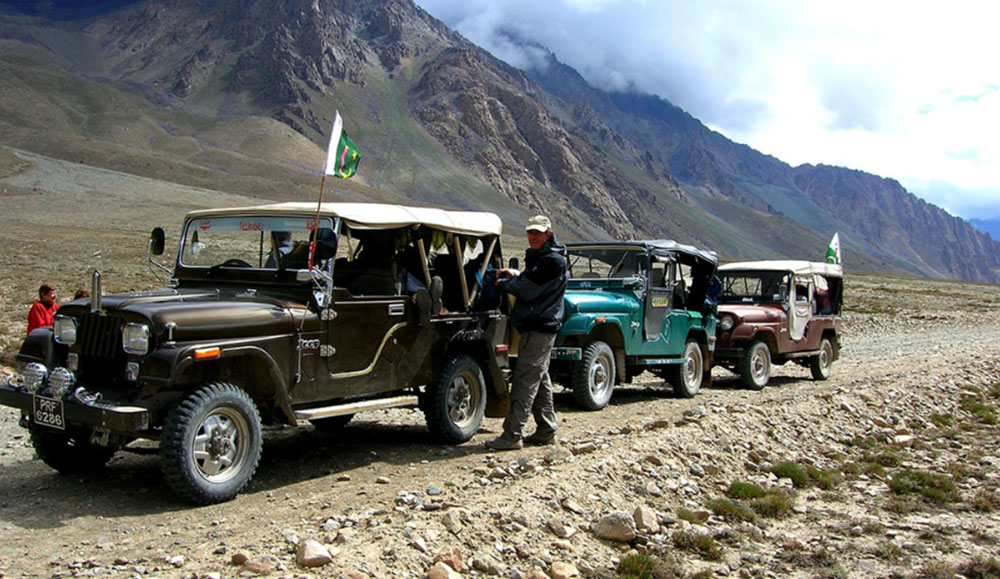
The 22-day journey through Pakistan’s northern mountain valleys, starting from Islamabad and passing through Naran, Astore, Deosai, and beyond, offers a mesmerizing experience of nature’s grandeur. This tour navigates you through the scenic valleys in the great mountain ranges of Himalaya, Hindukush, and Karakorum. The first leg of the journey takes you into the Himalayas from the green hills of Islamabad to the alpine meadows of Naran and onward to the serene valleys of Astore, where the breathtaking beauty of Deosai Plains awaits. Deosai, often called the “Land of Giants,” is a stunning plateau known for its wildflowers, streams, and rare wildlife. Reaching Skardu, the gateway to the mighty Karakoram, you explore Shigar and Khaplu, both ancient towns with stunning fortresses, rich Balti culture, and views of towering peaks.
The next phase of the trip leads to the Karakourm range from Gilgit to Hunza/Nagar, and Khunjerab Pass, a journey through some of the most dramatic mountain landscapes on Earth. The Hunza Valley, with its terraced fields and snow-capped peaks like Rakaposhi, offers a glimpse into the serene lifestyle of the locals, while Khunjerab, the highest paved border crossing in the world, connects Pakistan to China and offers unparalleled views. After enjoying the majestic beauty of these valleys, the journey winds its way to the enchanting Phander Lake, a turquoise gem surrounded by peaceful pastures, and then to Chitral, a remote yet culturally rich region.
The final leg is the Hindukush mountain valleys from Gilgit to Ghizer district and onwards to Chitral. Chitral opens the way to the Kalash Valleys, where the unique Kalash tribe celebrates their centuries-old traditions amidst stunning scenery. The route back to Islamabad passes through Swat, often called the “Switzerland of the East” for its verdant landscapes, rivers, and cultural treasures. In Swat, historical sites such as the Buddhist relics in Mingora and the breathtaking Swat Valley offer a blend of nature and heritage. Completing the journey back to Islamabad, this adventure encompasses some of Pakistan’s most picturesque and culturally diverse regions, creating memories of awe-inspiring landscapes, ancient traditions, and warm hospitality.
22 Days / 21 Nights
Day Excursion To Phander Valley (from Gilgit)
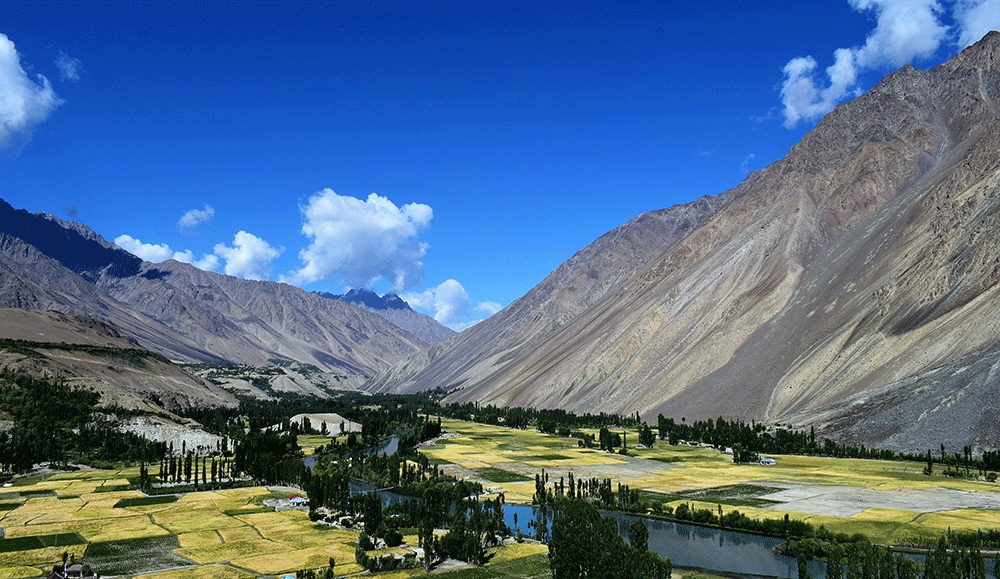
A day excursion to Phander Valley from Gilgit is a journey into one of Gilgit-Baltistan’s most captivating and serene landscapes. Located approximately 170 kilometers from Gilgit on the road leading toward the legendary Shandur Pass, Phander is a hidden gem known for its glassy river bends, lush green meadows, and welcoming people. This stunning valley, also accessible from Chitral via Shandur, is a scenic stop for travelers en route to the world’s highest polo ground—but it deserves to be a destination in its own right.
The drive from Gilgit to Phander takes you along the banks of the roaring Gilgit River, which cuts through dramatic gorges and open valleys. As the valley opens up near Phander, the river slows into a mirror-like calm, meandering through fields and reflecting the surrounding poplars and pines—a sight that feels almost surreal. The emerald-green fields, framed by golden hills and snow-dusted peaks, make Phander a paradise for nature lovers, photographers, and peace seekers.
Phander is famous for its unique landscape, where the river flattens into a natural lake—ideal for trout fishing and picnicking. The tranquility of this valley, coupled with its cool summer climate and colorful spring and autumn foliage, makes it a year-round destination. Whether you visit during the blossom season when fruit trees burst into color, the lush summer when wildflowers dot the meadows, or the fall when golden hues dominate the hillsides, Phander offers breathtaking beauty.
The hospitality of the local people adds to the charm of the valley. Simple, warm, and generous, the residents make visitors feel instantly at home, often sharing stories, tea, or directions with a smile.
With its peaceful atmosphere, accessible road links from both Gilgit and Chitral, and postcard-worthy scenery at every turn, Phander Valley is an unforgettable escape into nature’s quiet grandeur. For anyone in Gilgit looking for a retreat into the heart of beauty and serenity, a day excursion to Phander valley promises a journey well worth the road.
1 Days / Nights
Day Excursion To Naltar Valley (from Gilgit)
A day excursion to Naltar Valley from Gilgit is a journey into a hidden paradise where nature unveils its most enchanting forms. Just 40 kilometers from Gilgit, Naltar is a high-altitude alpine valley famous for its lush pine forests, shimmering lakes, terraced fields, cool summer climate, and towering snow-clad mountains. It is a place where serenity meets grandeur, offering travelers an unforgettable escape from the summer heat and hustle of city life.
The journey begins with a thrilling drive winding through a gorge of scenic valley and pine-covered slopes that gradually open into the mesmerizing expanse of Naltar Valley. As you approach, the landscape transforms into a picture-perfect scene of mountain grandeur—green meadows lined with wildflowers, cascading streams, and rustic stone-built houses nestled against the hillside. The valley’s terraced fields, carved meticulously into the mountains, present a patchwork of green that adds to the charm.
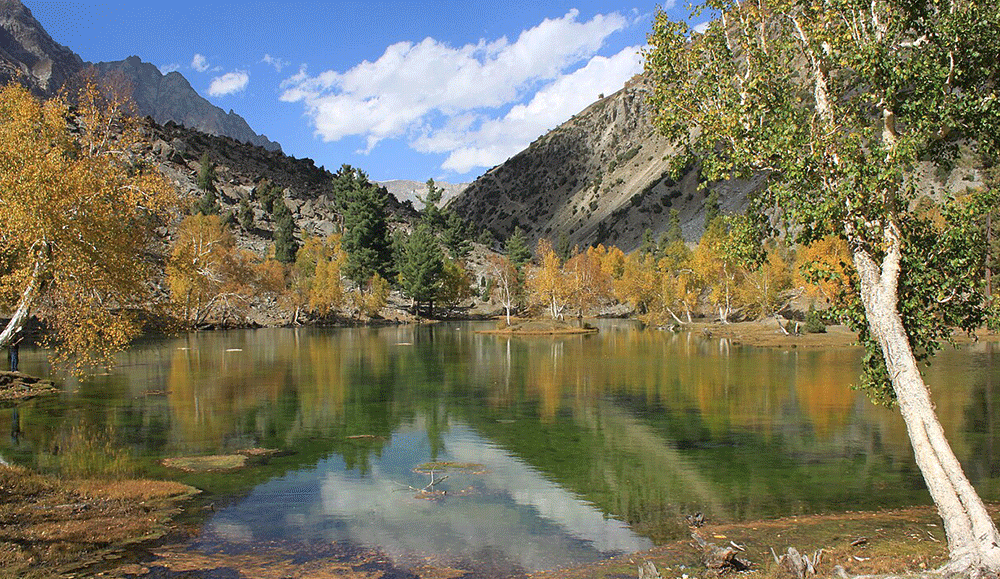
One of the main highlights of Naltar is its series of glacial-fed alpine lakes—famously known as the Bashkiri Lakes—each reflecting a different hue ranging from turquoise to emerald green. These lakes are surrounded by dense pine jungles and provide idyllic picnic spots, while the nearby hiking trails invite those seeking a more active exploration. Whether you take a short hike to catch panoramic views or simply sit by the lakeside soaking in the silence, the experience is profoundly peaceful.
Even in summer, Naltar’s climate remains refreshingly cool, thanks to its elevation and surrounding snow-capped peaks. The crisp mountain air makes it an ideal retreat for families and tourists looking to unwind in nature. The valley is also home to Pakistan’s premier Naltar Ski Resort, a hub of international winter sports that turns into a peaceful haven for nature lovers in the off-season.
Naltar is not just a place—it’s a feeling. A place where the colors of nature are brighter, the air is purer, and every moment spent feels like a retreat for the soul. Whether for a quiet lakeside picnic, a forest hike, or simply to escape into alpine beauty, a day excursion to Naltar Valley leaves a memory for a lifetime.
1 Days / Nights
Day Excursion To Hunza Valley (from Gilgit)
A day excursion to Hunza Valley from Gilgit along the legendary Karakoram Highway is a journey through some of the most breathtaking landscapes in northern Pakistan. The adventure begins in Gilgit, the capital of Gilgit-Baltistan, and heads north along the highway, offering a rich blend of natural beauty, geological marvels, and cultural heritage.
The first notable stop is the memorial monument in Rahimabad, a tribute to the region’s history and sacrifices. A short drive further brings you to a geological wonder — the Collision Point of Continental Plates, where the Indian and Eurasian tectonic plates meet. This spot not only fascinates geologists but also offers travelers a unique perspective on the forces that created the mighty Himalayas and the Karakoram Range.
Continuing northward, you arrive at the iconic Rakaposhi View Point. Towering at 7,788 meters, Rakaposhi is among the world’s highest peaks and appears astonishingly close from this vantage. The sight of the massive, snow-covered mountain framed by lush valleys and blue skies is a memory to cherish.
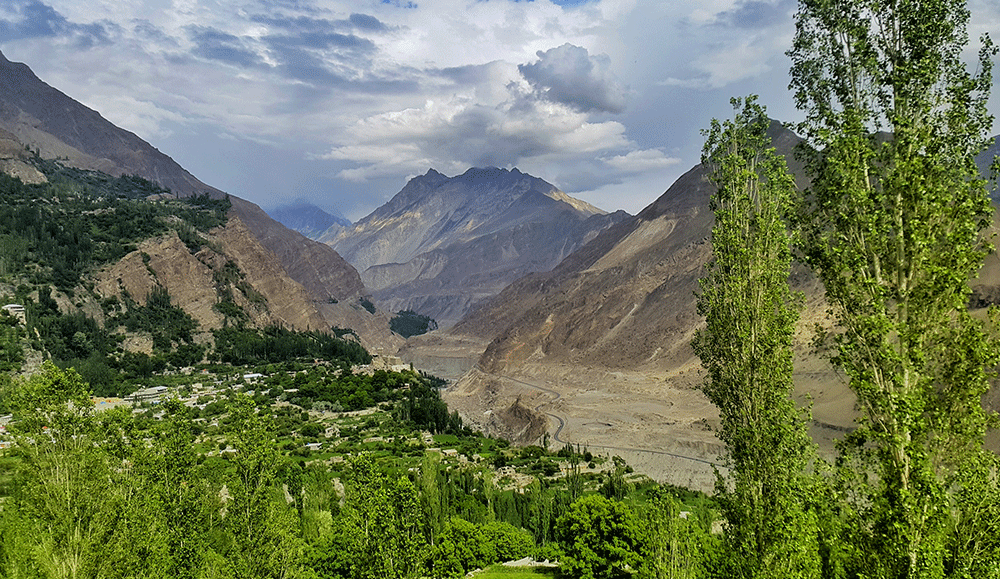
As the journey proceeds along the Hunza River, you’ll be captivated by the scenic valleys, terraced fields, and clusters of stone-built homes nestled against the rugged terrain. In summer, fruit trees bloom in abundance, and the valley becomes a canvas of color and fragrance, with cherries, apricots, apples, and mulberries in full swing. The hospitality of the local people adds warmth to the trip; their smiles and stories make every interaction meaningful.
Upon reaching Hunza, the cultural gems begin to unfold. Baltit Fort, perched on a cliff with panoramic views of the valley, showcases traditional architecture and history spanning over 700 years. Altit Fort, older and recently restored, tells tales of dynasties and ancient defense systems. A short walk takes you to Ganish Village, the oldest settlement in Hunza, featuring intricately carved wooden mosques and ancient watchtowers.
In Karimabad, the bustling local market offers organic food, local handicrafts, woolens, gemstones, and dry fruits. Sampling locally made organic apricot oil, dried fruit, and traditional bread is a delight, and there’s ample opportunity to pick up authentic souvenirs. The fresh mountain air and peaceful ambiance make this town a serene place to relax and explore.
After a full day of exploration, you return to Gilgit with hearts full of memories and camera rolls filled with stunning photos.
1 Days / Nights
Day Excursion To Hoper Valley (from Gilgit)
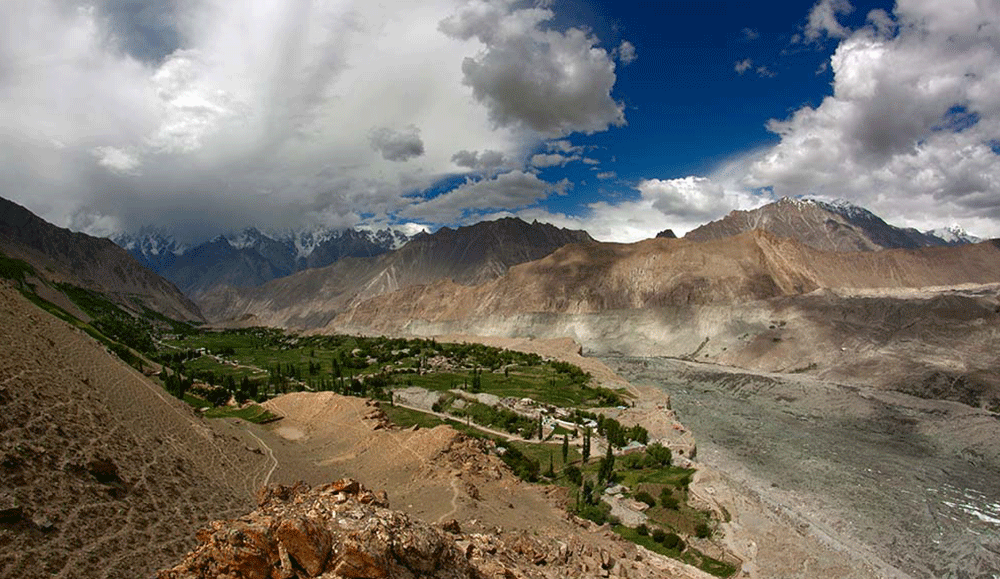
A day excursion to the breathtaking Hoper Valley from Gilgit takes you into one of the most scenic corners of the Karakoram. Located about 135 kilometers from Gilgit, in the Nagar Valley, Hoper is reached via the Karakoram Highway and then an adventurous, winding mountain road that offers spectacular views at every turn. The journey is made even more enjoyable by the warm hospitality of the local people, who welcome visitors with smiles and stories.
Hoper Valley delights the senses in every season. In spring, apricot, cherry, and apple trees bloom in pink and white, turning the valley into a dreamscape. In autumn, the hills glow in golden, amber, and crimson hues, set against rugged peaks and shining glaciers — a truly mesmerizing sight. In summer, Hoper becomes a cool and refreshing retreat from the heat of the plains, with lush green fields, crisp mountain air, and breathtaking views of snow-covered summits.
Hoper also serves as a gateway to adventure. It is the starting point for treks to Rush Lake — one of the world’s highest alpine lakes — and to the striking Golden Peak (Spantik), which towers majestically over the valley. Even without trekking, the viewpoints in Hoper offer unforgettable vistas of the Hoper Glacier, Barpu Glacier, and the surrounding Karakoram peaks — a paradise for photographers and nature lovers alike.
You can also explore the small local shops in the village, where beautifully crafted handicrafts, colorful traditional clothes, sparkling gemstones, and organic dry fruits like apricots, walnuts, and almonds are sold — perfect souvenirs of your visit.
With its unmatched natural beauty, dramatic glaciers, vibrant seasons, and warm-hearted people, a day excursion to Hoper Valley from Gilgit is a perfect blend of adventure, serenity, and culture. Hoper is fascinating during all seasons of the year. This hidden gem of Gilgit-Baltistan promises memories you’ll cherish long after you return.
1 Days / Nights
Day Excursion To Khunjerab Pass (from Gilgit)
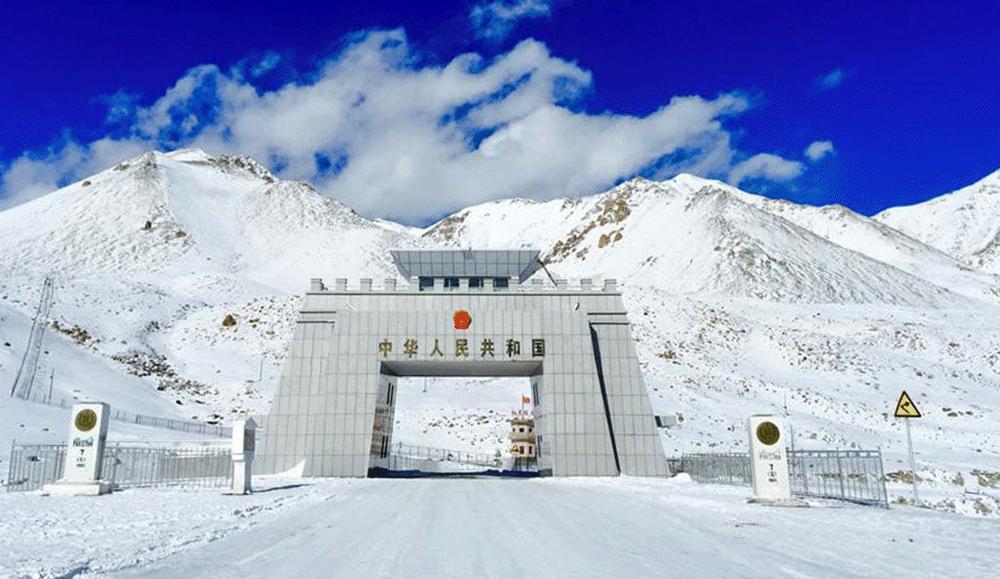
A day excursion to Khunjerab Pass from Gilgit is one of the most spectacular journeys you can take in the Karakoram — a thrilling experience of altitude, nature, and culture. At 4,693 meters (15,397 feet), Khunjerab is the highest paved border crossing in the world, where Pakistan meets China in a breathtaking setting.
The adventure begins in Gilgit, traveling north along the legendary Karakoram Highway — often called one of the most scenic roads on Earth. The route climbs steadily through deep gorges and past traditional villages, with the turquoise Hunza River running alongside. As you enter Hunza Valley, towering peaks like Rakaposhi, Ultar Sar, and Shispar dominate the horizon, offering unforgettable views.
You’ll pass through picturesque villages like Karimabad and Gulmit, known for their fruit orchards, traditional stone houses, and warm hospitality. A stop at the iconic Attabad Lake is a must — formed by a massive landslide in 2010, its crystal-clear turquoise waters reflect the surrounding cliffs, creating a postcard-perfect scene.
Continuing higher into Upper Hunza, the landscape becomes more dramatic and raw. You’ll drive through Passu, with its famous cathedral-like peaks and hanging glaciers, and then on toward Sost — the last town before the border.
Beyond Sost, the scenery turns stark and wild as you enter Khunjerab National Park, home to rare wildlife such as ibex, marmots, and even the elusive snow leopard. The air grows crisp, the valleys widen, and snowfields begin to appear as you approach the pass.
At the end of the journey, Khunjerab Pass greets you with its silence and grandeur — high, remote, and windswept. Standing at this immense altitude, surrounded by snow-capped peaks and endless skies, you truly feel like you’re on the roof of the world.
This day trip is not just about reaching the pass but savoring the incredible diversity of the region — from fertile orchards and serene lakes to barren high-altitude plains. Along the way, you’ll encounter majestic mountains, friendly locals, and one of the world’s most awe-inspiring frontiers.
1 Days / Nights
Day Excursion To Yasin Valley (from Gilgit)
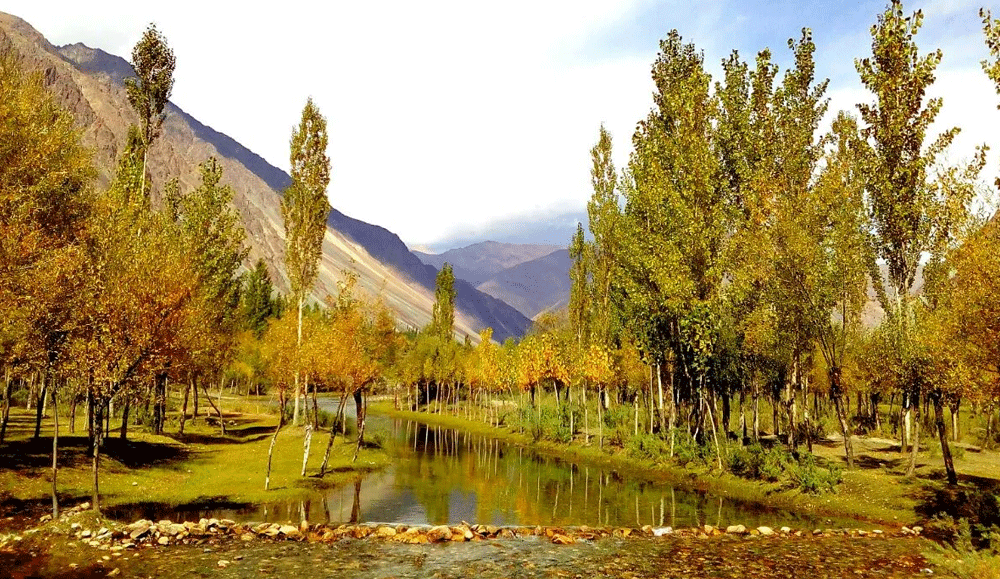
A day trip to Yasin Valley from Gilgit is a memorable adventure into one of the most serene and scenic valleys of the Hindukush mountains. Famous for its breathtaking landscapes, cool summer weather, and warm-hearted people, Yasin offers a perfect escape for travelers looking to experience nature, culture, and tranquility — all within a single day’s journey from Gilgit.
The adventure begins with an early morning departure from Gilgit, heading north along the scenic Gilgit–Shandur Road, a route that is as much a highlight of the trip as the destination itself. As you leave the bustling city behind, the road winds through dramatic gorges and along the roaring Gilgit River, passing terraced fields, traditional stone villages, and towering peaks on all sides. The journey is thrilling yet picturesque, offering stunning views of the rugged Hindukush ranges and glimpses of snow-capped summits even during the summer months.
On reaching Yasin Valley, you are greeted by a refreshing change in climate. At a higher elevation than Gilgit, Yasin boasts pleasantly cool weather in summer, making it an ideal retreat from the heat of the plains. The valley is lush and green, with crystal-clear streams, apricot and apple orchards, and meadows dotted with grazing yaks and sheep. The gentle breeze and the soothing sound of the river flowing through the valley create an atmosphere of complete calm and relaxation.
During the excursion, you can explore key spots in the valley, including the charming village of Taus, known for its traditional wooden houses and hospitable residents. Further ahead, Hundur offers panoramic views of surrounding peaks and provides excellent photo opportunities. For those who enjoy light hiking, short trails from the main road lead to peaceful meadows and viewpoints overlooking the valley.
The people of Yasin are known for their warmth and hospitality, and visitors often find themselves welcomed with a cup of tea or fresh fruit from the orchards. The simple mountain life here remains deeply connected to its cultural roots, offering a refreshing contrast to the bustle of city life.
This day trip combines the excitement of an adventurous journey with the serenity of an unspoiled valley, leaving visitors with unforgettable memories of the majestic landscapes and rich culture of Yasin.
1 Days / Nights
Day Excursion To Bagrot Valley (from Gilgit)
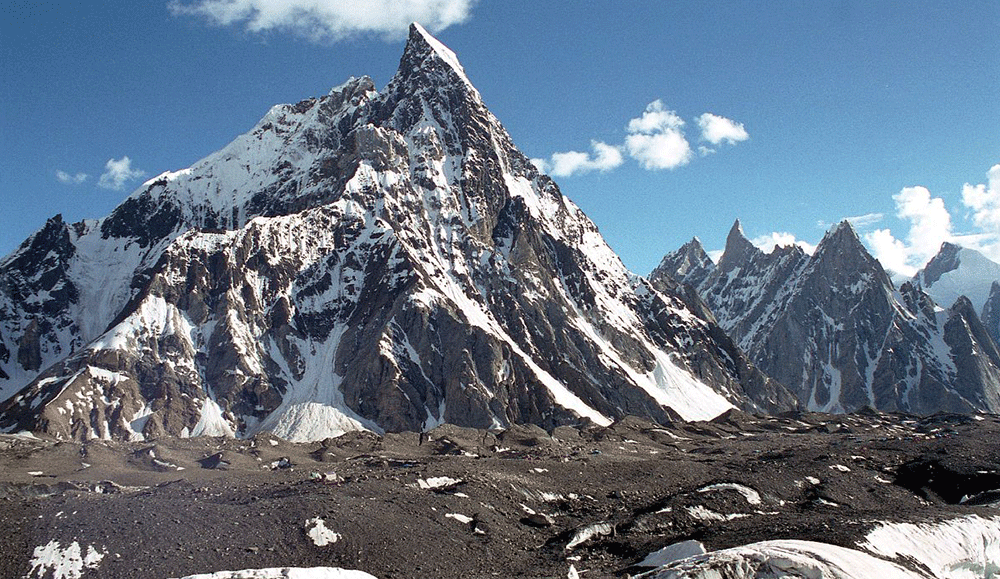
A day excursion to Bagrot Valley from Gilgit is a journey into a hidden gem of the Karakoram, offering stunning landscapes, vibrant seasonal colors, and warm hospitality. Nestled just a short drive from Gilgit, Bagrot is a serene and scenic valley that sits in the lap of towering mountains and is surrounded by shimmering glaciers, making it a perfect escape from the bustle of the town.
Bagrot Valley is especially famous for its spectacular blossom season in spring, when the entire valley is draped in shades of pink, white, and green as apricot, apple, and cherry trees burst into bloom. Equally enchanting is autumn, when the leaves turn into a riot of gold, orange, and crimson, creating a magical atmosphere against the backdrop of snow-capped peaks. In summer, the valley becomes a cool retreat, with its lush fields, glacial streams, and crisp mountain air offering relief from the heat of the plains.
The drive to Bagrot from Gilgit takes you through rugged foothills and opens up into a verdant valley dotted with traditional stone houses, terraced fields, and fruit orchards. On clear days, the majestic Rakaposhi and Diran Peak loom in the distance, while glaciers like Dobani and Gargo offer breathtaking views.
What sets Bagrot apart, beyond its natural beauty, is its people. The locals are known for their warmth and hospitality, welcoming visitors with genuine smiles and often inviting them to share a cup of tea or fresh fruit from their orchards. The valley’s rich culture and simple lifestyle offer a glimpse into traditional mountain life that has remained largely untouched by modernity.
This excursion is ideal for photographers, nature lovers, and anyone seeking peace and quiet amid magnificent scenery. Whether you visit during the delicate blossoms of spring, the blazing colors of autumn, or the refreshing summer months, Bagrot Valley promises an unforgettable experience of beauty, culture, and tranquility just minutes away from Gilgit.
1 Days / Nights