
Hospitality Beyond Borders
Explore Our Tours
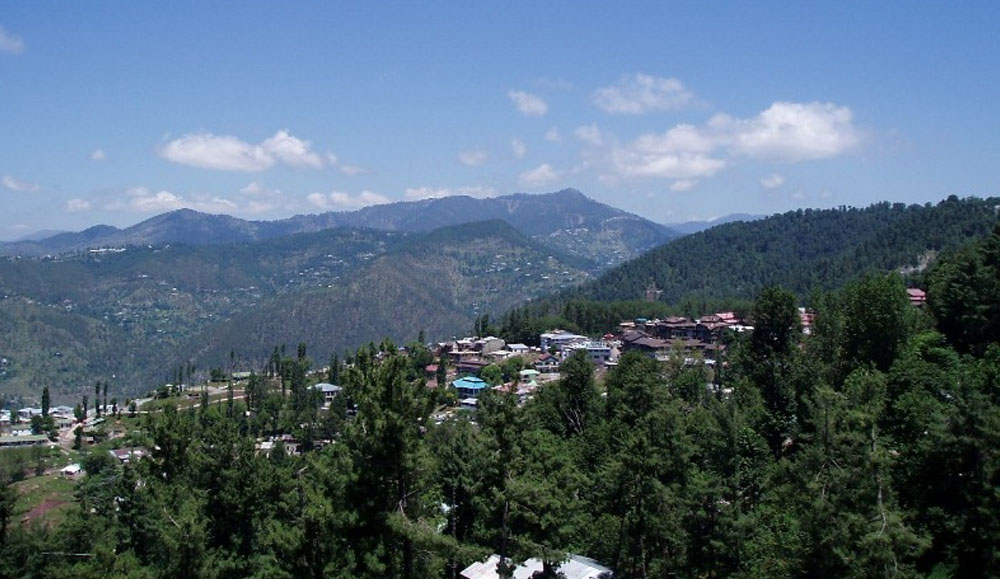
Day Excursion To Murree Hills (from Rawalpindi / Islamabad)
A day excursion to Murree Hills near Islamabad and Rawalpindi offers a refreshing retreat into nature’s splendor. Located in the Pir Panjal Range, just 60 kilometers from Islamabad, Murree is an accessible getaway from the busy city life. Known for its lush green landscapes, cool mountain air, and stunning panoramic views, Murree sits at around 8,000 feet, making it the largest and most developed hill station in the region. Originally settled by the British Raj as a summer retreat, Murree now welcomes tourists with activities like hiking, horse riding, and chairlifts. Popular spots such as Mall Road, Patriata (New Murree), Pindi Point, Kashmir Point, Ayubia National Park, and Nathiagali offer breathtaking vistas and rich cultural experiences, with local bazaars showcasing traditional handicrafts and souvenirs.
Historically, Murree holds a significant colonial legacy. It was identified in 1847 by Sir James Abbott, and by 1849, it was decided that the area would serve as a hill station due to its proximity to the Rawalpindi Cantonment. The town was formally founded in 1851 by Sir Henry Lawrence as a sanatorium for British troops. Over the years, Murree became a favored destination for British officials and their families, complete with commercial establishments, churches, and residences. The iconic Mall Road, once known as Jinnah Road, still retains remnants of the British colonial period, where key establishments like the post office and merchants with European goods flourished. Several notable Britons were born here, and the station developed into a European-style retreat during the British Raj.
Since 1947, Murree has continued to thrive as a major tourist attraction, drawing visitors both from within Pakistan and abroad. The local population of around 233,000, primarily speaking Pahari, manages businesses that cater to tourists year-round. While it gets overcrowded during peak summer and winter seasons, the scenic beauty remains a key draw, especially during snowfall in the winter. Visitors can explore the famous Mall Road for food and shopping, and enjoy treks like the Mushkpuri and Pipeline trails. With its year-round greenery and cool climate, Murree is easily accessible by road via the Express Highway, though the nearest airport is in Islamabad, and no direct railway connects to the hill station.
1 Days / Nights
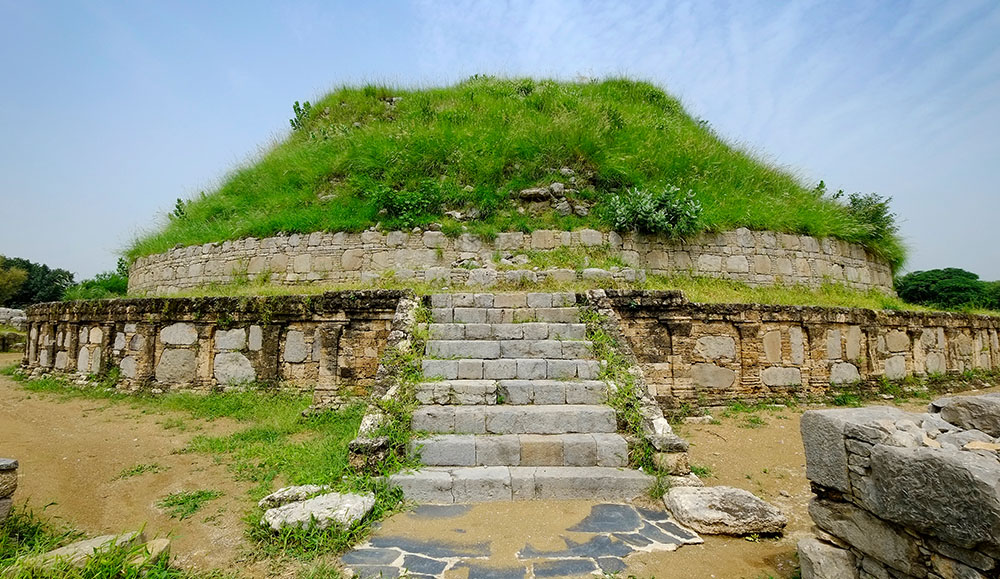
Day Excursion To Taxila (from Rawalpindi / Islamabad)
Just a short 40 km drive from the twin cities of Islamabad and Rawalpindi, and 156 km from Peshawar, lies a gateway to one of the world’s most profound historical wonders—Taxila, a UNESCO World Heritage Site and a must-visit destination for any traveler seeking to uncover the soul of ancient South Asia. A day excursion to Taxila isn’t just a sightseeing trip—it’s a powerful journey through time, perfect for history buffs, archaeology enthusiasts, and curious adventurers alike.
Dating back to 3500 BCE, Taxila—once known as Takshasila—was a flourishing center of learning, trade, and Buddhist philosophy. As you walk through its over 50 excavated sites, you’ll stand where some of the earliest scholars and monks once lived, studied, and taught. This ancient metropolis was a melting pot of cultures and ideas, shaped by the mighty Achaemenid, Mauryan, and Kushan empires. Here, history is not hidden behind glass but sprawled across sun-drenched fields and stone pathways that whisper stories of enlightenment and empire.
Your day could begin at Sirkap, an ancient city planned with Greek architectural influence, then take you up the hills to Jaulian, an ancient Buddhist university remarkably well preserved, with meditating cells and stupas overlooking lush valleys. Visit Dharmarajika Stupa, where sacred relics are believed to have once been housed, and Mohra Moradu, a peaceful monastic complex showcasing beautiful Gandharan art. Each site is not just a ruin, but a piece of a grand civilizational puzzle waiting to be rediscovered.
No visit to Taxila is complete without exploring the Taxila Museum, a gem in its own right. Housed in a colonial-era building, the museum offers a curated narrative of the region’s history through its extensive collection of statues, tools, ornaments, coins, and sacred artifacts. It’s a rare chance to see how everyday life and spiritual practice intertwined in one of history’s most intellectually vibrant cities.
With its easy accessibility and immense historical significance, a day excursion to Taxila is more than just a break from the city it’s an inspiring dive into humanity’s shared past. Pack a camera, wear comfortable shoes, and prepare for a deeply enriching experience. Your journey into the cradle of Gandhara civilization awaits step into history, just an hour away.
Note: The museum is open every day except on the first Monday of each month and on all Islamic Holidays
Timings: Winter: 9 am to 4 pm, Summer: 8:30 am to 5 pm
1 Days / Nights
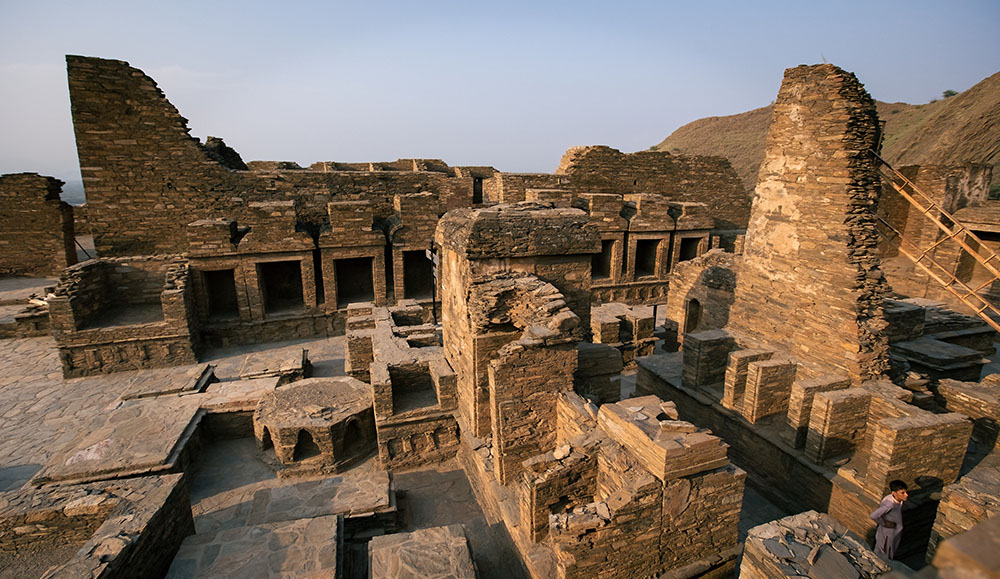
Day Eaxcursion To TAKHT-I-BAHI MONASETERY (from Rawalpindi / Islamabad)
A day excursion to Takht-i-Bahi Monastery from Rawalpindi, Islamabad promises not just a scenic drive but an unforgettable dive into one of South Asia’s most remarkable ancient sites. Located approximately 165 kilometers northwest of Rawalpindi/Islamabad, Takht-i-Bahi (meaning “Throne of the Water Spring”) stands as a rare and remarkably well-preserved relic of the Gandhara civilization, a fusion of Greco-Roman and Indian art and philosophy that flourished between the 1st century BCE and 7th century CE.
The monastery complex is dramatically perched on a hill, offering panoramic views of the surrounding plains. This elevated position was likely strategic both defensively and spiritually as Buddhist monks sought isolation for meditation and study. The site’s layout reflects sophisticated architectural planning: its network of stupas, monastic cells, courtyards, assembly halls, and meditation chambers are arranged in harmony with the natural contours of the terrain. The structures are built primarily of stone masonry, and despite centuries of exposure, many elements remain intact, allowing visitors to walk through history as they explore the echoing corridors once used by monks and pilgrims.
Takht-i-Bahi is recognized as a UNESCO World Heritage Site, one of only six in Pakistan, underscoring its global significance as a cultural and spiritual treasure. The site’s importance lies not only in its architectural integrity but also in its historical role as a thriving center for Buddhist learning and practice during the Gandhara period. Reliefs and sculptures unearthed here have provided scholars with valuable insight into Buddhist iconography and the transcontinental spread of Buddhism via the Silk Road.
Traveling from Islamabad or Rawalpindi takes around 2.5 to 3 hours by road, making this journey perfect for a full-day historical adventure. Along the way, one encounters the serene rural beauty of northern Pakistan, with green fields, small villages, and rolling hills creating a tranquil backdrop.
For history enthusiasts, spiritual seekers, or casual travelers with a curiosity for ancient civilizations, a day excursion to Takht-i-Bahi Monastery is more than a sightseeing trip it translates Pakistan’s rich and diverse heritage preserved for centuries. The silence of the ruins speaks volumes, echoing tales of devotion, enlightenment, and the enduring human quest for meaning.
1 Days / Nights
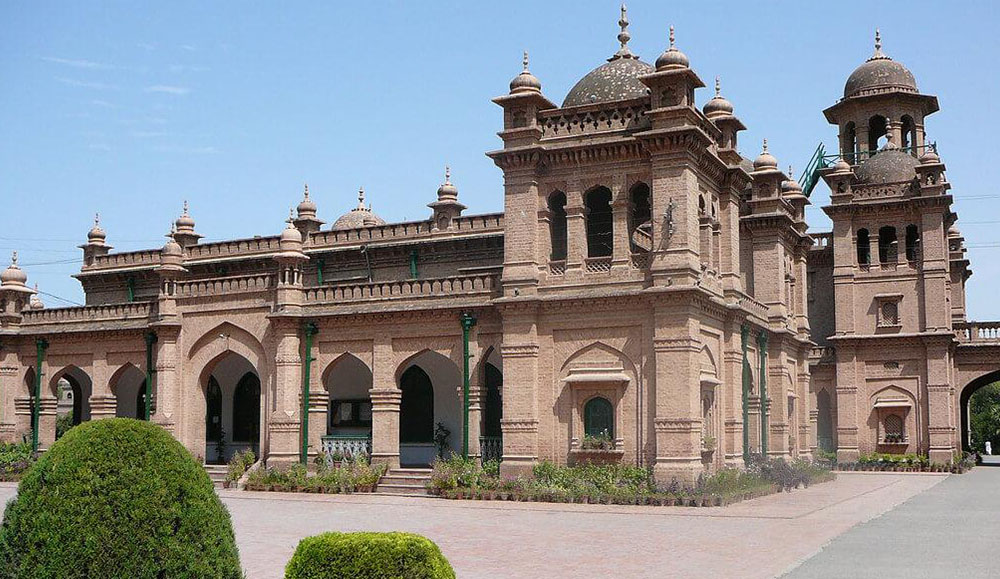
Day Excursion To Peshawar (from Rawalpindi / Islamabad)
A day excursion to Peshawar, approximately 180 kilometers from Rawalpindi/Islamabad, is a journey into one of South Asia’s oldest living cities. Nestled at the mouth of the historic Khyber Pass, Peshawar has served as a crossroads of cultures, trade, and civilizations for over two millennia. Known as the “City of Flowers”, it was once a vibrant hub along the Silk Road, influenced by Persian, Central Asian, and South Asian traditions a testament to its rich and layered history.
The drive from Rawalpindi/Islamabad takes around 3–4 hours, passing through scenic plains, dotted villages, and the rolling hills of Khyber Pakhtunkhwa. On arrival, visitors are welcomed by the colorful chaos of Peshawar an intoxicating blend of history, culture, and hospitality. At its heart lies Qissa Khwani Bazaar, or the “Street of Storytellers,” where traders and travelers once shared tales from across the world. Today, the bazaar remains full of life, offering spices, embroidered fabrics, handcrafted jewelry, and traditional wares perfect for shopping and soaking in the local vibe.
Among Peshawar’s most iconic landmarks is the Bala Hisar Fort, a historic citadel perched above the city, offering panoramic views and a glimpse into its strategic past. Another gem is the Mohabbat Khan Mosque, built in the Mughal era, with its intricate frescoes and graceful minarets standing as a monument to Islamic art and devotion. The Peshawar Museum is another highlight, housing an impressive collection of Gandhara Buddhist artifacts, coins, and ethnographic exhibits that narrate the region’s ancient and diverse heritage.
Peshawar is equally renowned for its hearty and flavorful cuisine. No trip is complete without savoring its legendary Chapli Kebabs, fragrant karahi, fresh naan, and traditional sweets like halwa. Quaint tea shops in the old city offer warm hospitality and a chance to mingle with locals.
The people of Peshawar known for their warmth, colorful attire, and fierce pride in their culture leave a lasting impression on every visitor.
In a single day, travelers can experience bustling markets, stunning monuments, delicious food, and timeless stories making a day excursion to Peshawar an unforgettable cultural and historical adventure from Rawalpindi/Islamabad.
1 Days / Nights
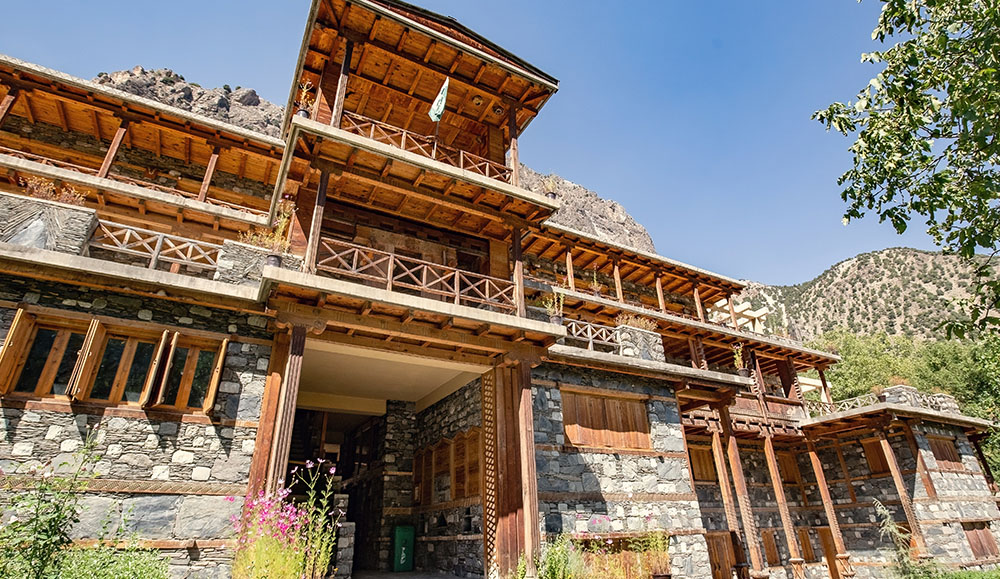
Kalash Chilam Joshi Festival Tour
The Kalash Chilam Joshi Festival Tour is a rare cultural journey into the heart of Pakistan’s Hindu Kush mountains, where one of the most unique and ancient communities in the world celebrates the arrival of spring. The Kalash people, known for their distinct traditions, polytheistic beliefs, and vibrant attire, have preserved a way of life unlike any other in the region. Each May, their Chilam Joshi Festival marks a joyful time of renewal, thanksgiving, and spiritual reflection.
This ten-day tour begins in Islamabad, then winds through the green landscapes of Swat Valley, the rugged mountain passes of Chitral, and finally reaches the secluded Kalash Valley. Along the way, travelers explore natural wonders like Chitral Gol National Park, ancient Buddhist ruins at Takht-e-Bahi, and heritage sites reflecting centuries of cultural evolution.
In Bamburet Valley, the largest of the Kalash valleys, travelers experience the highlight of the journey the Chilam Joshi Festival. The festival opens with rituals to purify the valley, such as sprinkling milk over the land. Locals don their finest embroidered robes and beaded headdresses, filling the air with music, dancing, and traditional storytelling. More than just a celebration, Chilam Joshi is a vital expression of the Kalash people’s gratitude to their gods for a safe winter, healthy livestock, and hopes of a prosperous year ahead.
Beyond the festival, the tour offers an intimate look at the daily life, architecture, mythology, and spiritual beliefs of the Kalash community. It also provides a broader view of northern Pakistan’s rich cultural and ecological diversity from the high mountains of Chitral to the lush plains of Swat.
Perfect for travelers seeking cultural authenticity, natural beauty, and meaningful encounters, the Kalash Chilam Joshi Festival Tour is more than a trip it’s a deep cultural immersion into one of Pakistan’s most enchanting and resilient traditions.
10 Days / 9 Nights
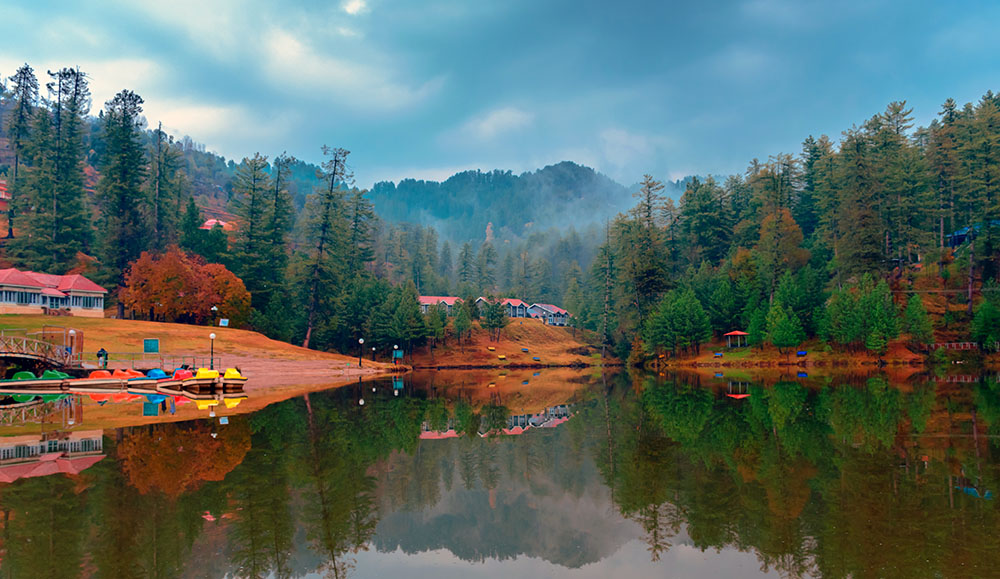
Banjosa & Tolipeer Tour
Azad Kashmir holds blissful paradise which uncovers the beauty of Truly Kashmir. Furthermore, Pakistan Tour And Travel always endeavour to provide exciting Packages in Economical Price in fascinating Places. Moreover, Banjosa Tolipeer Tour 3Days 2Nights comes with lots of admirable lovely areas. Furthermore, Azad Kashmir is an important Part of Northern Areas with Travellers increasing each Year. Current Year near 2 Million people Visited parts of Kashmir which is really promising for the Tourism Industry.
Tourism Places in Azad Kashmir are marvellous. Banjosa Lake is an artificial yet very attractive lake that gets lots of snow in Winters and also has to breeze cool air during scorching summers of Pakistan. People Visits it from all areas of Pakistan. Moreover, Tolipeer Mountains are standing at an elevation of 8800 feet high above sea level. Scene and landscape at Tolipeer region are matchless and makes it must visit place in Pakistan.
4 Days / 3 Nights
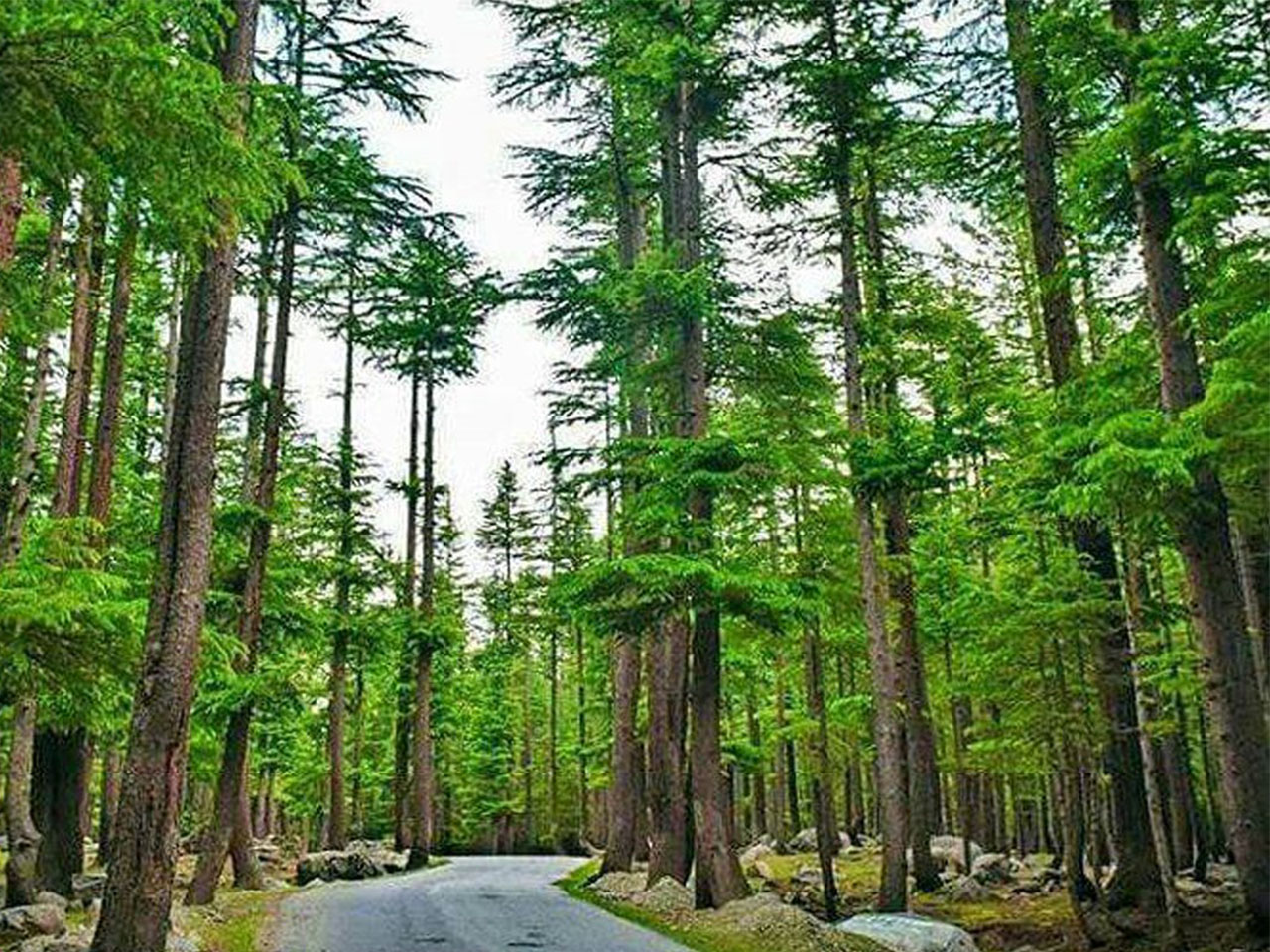
Ushu Forest & Kalam
Swat, “the paradise on earth” is in the north-west of Pakistan. District Swat is an administrative unit which lies in the jurisdiction of Malakand division, north-west frontier province (N.W.F.P). Swat valley, the land of waterfalls, lakes, lush green hills and other gifts bestowed upon it by nature, is only 270 km drive from Islamabad, the capital of Pakistan. Swat, an attractive spot for the outsiders to be visited as many times as possible due to its natural beauty and unique culture. Swat, the princely state of the past, supports about 1330001 individuals having an area of about 8786 square km, a historic site of the world which has seen many rulers, cultures, civilizations and religions to be it’s parts once in the history. The beautiful sites of the valley are, Kalam, Madyan, Bahrain, Malam Jabba, Miandam and Saidu Sharif, while Saidu Sharif as its capital.
6 Days / 5 Nights
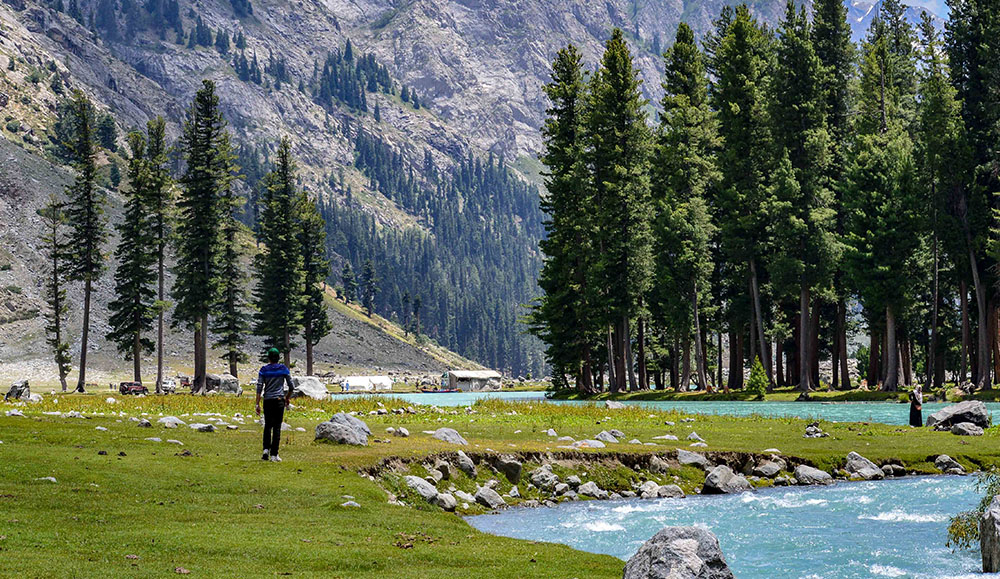
Swat Buddhist Heritage Tour
Nestled among the forested mountains of northern Pakistan, Swat Valley once known as Udyana or “The Garden”—is one of the most important centers of ancient Buddhist civilization in South Asia. This land, described in early Chinese pilgrim records, was a flourishing hub of Gandhara Buddhism, where monks, scholars, and artists created a legacy of learning and spirituality that still echoes through its valleys today. The Swat Buddhist Heritage Tour is a carefully curated journey for international travelers seeking to explore this unique intersection of history, faith, and art.
Swat’s Buddhist history spans over a thousand years, from the time of Ashoka the Great in the 3rd century BCE to the 10th century CE. The valley was dotted with monasteries, stupas, and learning centers, many of which were documented by famous Chinese pilgrims like Faxian and Xuanzang. The Gandhara civilization that flourished here was famous for its distinctive Greco-Buddhist art, which combined Hellenistic styles with local traditions to produce exquisite stone carvings of the Buddha, bodhisattvas, and Jataka tales.
This tour traces that sacred heritage through visits to major archaeological and cultural sites. In Saidu Sharif, travelers will explore the Swat Museum, home to an extraordinary collection of Gandhara sculptures. The nearby Butkara Stupa, believed to have been built during Ashoka’s reign, stands as one of the oldest Buddhist monuments in the region. Other highlights include the Saidu Stupa complex, the beautifully situated Amluk Dara Stupa, and the Shingardar Stupa, still standing tall against the mountainous backdrop.
You’ll also visit Udegram, an archaeological site with Buddhist and early Islamic layers, and Barikot, the ancient city of Bazira, besieged by Alexander the Great. Each location reveals layers of spiritual and historical richness that have survived time, invasions, and nature.
Combined with the breathtaking natural beauty of Swat Valley, warm local hospitality, and immersive cultural experiences, Swat Buddhist Heritage Tour offers far more than sightseeing—it is a deep and moving exploration of one of the most profound spiritual legacies in Asia.
6 Days / 5 Nights
Swat and Muree Getaway
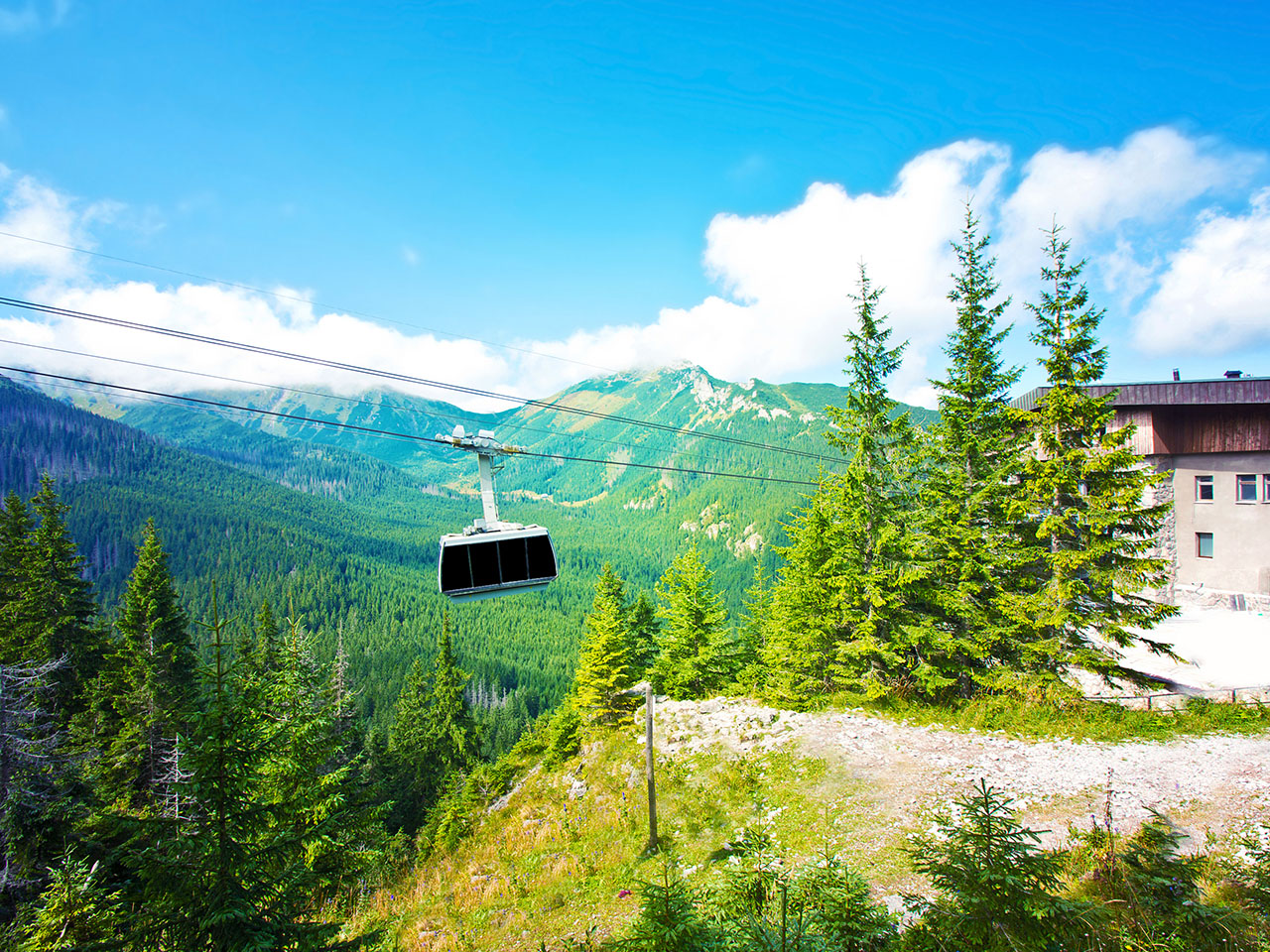
Discover the unmatched beauty, cultural charm, and soothing landscapes of Swat and Murree in this unforgettable 8-day getaway through the heart of northern Pakistan. The Swat and Murree Getaway tour is a carefully designed journey ideal for nature lovers, families, honeymooners, and cultural explorers alike. It showcases the magnificent alpine grandeur of Swat Valley, also known as the Switzerland of Pakistan, and the colonial-era charm of Murree, a beloved hill station nestled in the Pir Panjal range.
Swat is a destination where the river sparkles through lush valleys, ancient Buddhist relics rest in peace, and nature invites you to explore its purest form. From the vibrant bazaars of Mingora to the peaceful alpine pastures of Kalam and the glacial waters of Mahodand Lake, Swat offers a perfect blend of adventure and relaxation. In Kalam, one can walk for hours among pine-covered slopes, inhale the crisp mountain air, and connect with nature’s finest offerings.
Murree, on the other hand, is Pakistan’s most cherished summer resort. With its pine forests, fog-draped hills, colonial architecture, and famous Mall Road, it is the epitome of a mountain retreat. From Patriata’s chairlifts to scenic drives through Ayubia and Donga Gali, Murree promises panoramic views and cool mountain breezes a perfect way to end your northern sojourn.
Whether you’re seeking serenity or adventure, the Swat and Murree Getaway tour captures the very essence of Pakistan’s northern wonders, ending with a convenient airport drop-off in Islamabad.
8 Days / 7 Nights
Uchal Kalash Summer Festival Tour
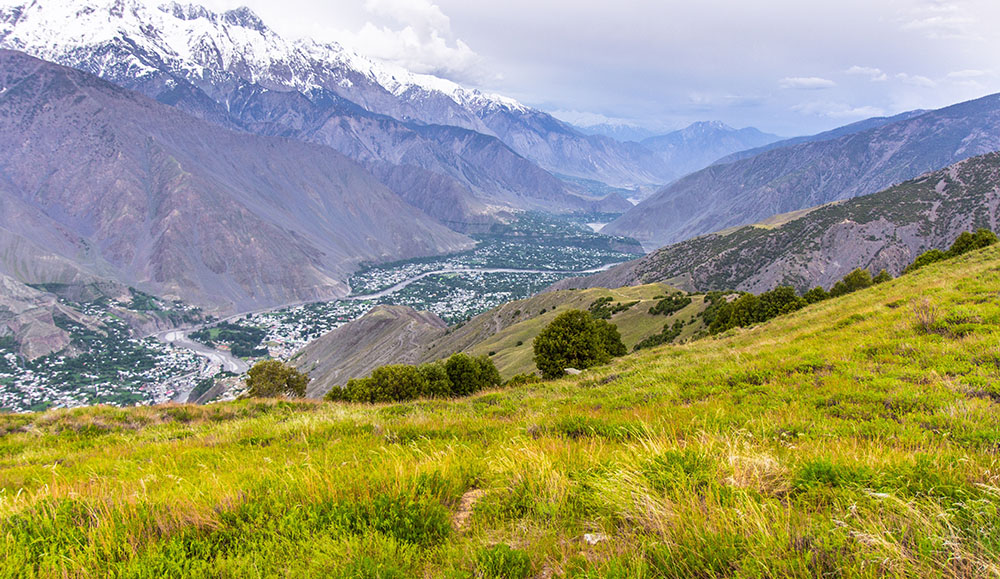
Step into the mystique of Pakistan’s northwestern Hindukush lure with a visit to The Alluring Kalash Valleys during one of their most important celebrations—the Uchal Summer Festival. This enchanting Uchal Kalash Summer Festival Tour takes you deep into the secluded and mystical Kalash valleys, home to the Kalasha people, a pre-Islamic Indo-Aryan tribe whose vibrant culture has endured for centuries. Every August, the Kalasha celebrate the Uchal Festival, giving thanks for a bountiful harvest. With traditional dances, ritual songs, ceremonial processions, and feasts of yoghurt, cheese, and cornbread, the festival becomes a captivating expression of spiritual joy and cultural resilience. Adorned in their signature black robes and vivid headpieces, Kalash women lead the spirited celebrations, creating a once-in-a-lifetime cultural spectacle.
Recognized by UNESCO as Intangible Cultural Heritage, Kalash culture stands as one of South Asia’s most intriguing and endangered living traditions. This tour not only brings you face-to-face with the Kalasha way of life but also unveils the majestic landscapes of Chitral Gol National Park, the healing sulphur springs of Garam Chashma, and the spectacular valleys of Bumburet and Rumbur.
As the journey winds southward, travelers will stop at Takht-e-Bahi Monastery, a UNESCO World Heritage Site near Mardan. This 1st-century CE Buddhist monastic complex is considered one of the best-preserved examples of Gandharan architecture, perched dramatically on a hilltop that once welcomed monks, scholars, and pilgrims.
Finally, explore the historic city of Peshawar, South Asia’s oldest living city. From the ancient Qissa Khwani Bazaar to the colonial-era Mahabat Khan Mosque and Sethi House, Peshawar offers a striking blend of Afghan, Mughal, and British heritage. The visit ends with a glimpse of the Khyber Pass, the famed gateway to Central Asia.
Book your Uchal Kalash Summer Festival Tour with Pearl Tours and witness a world where legend, landscape, and living tradition merge into one unforgettable experience.
9 Days / 8 Nights
Mystique of the Kalash Valleys
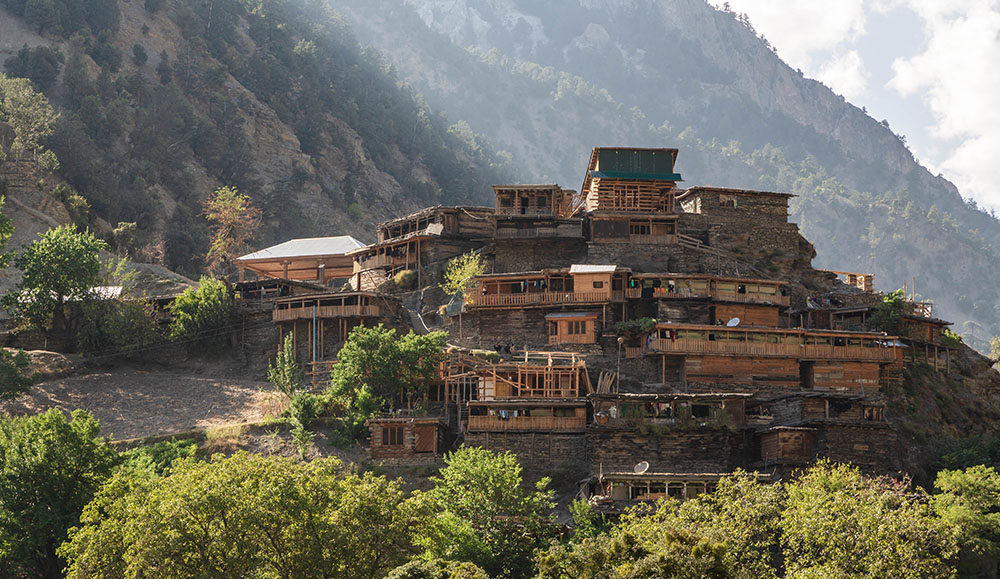
Nestled in the remote folds of the Hindukush mountains, Kalash Valley remains one of the most enigmatic and captivating destinations in Pakistan. The Mystique of the Kalash Valleys is a journey more than just a scenic adventure to this ancient land. It is an immersion into a living museum of history, tradition, and mystique. The Kalash people, believed to be descendants of either Alexander the Great’s armies or even older Indo-Aryan tribes, preserve a culture so unique that it has survived the test of time, weather, and political upheaval. Their polytheistic beliefs, colorful festivals, elaborate costumes, and wooden architecture create an atmosphere that feels untouched by the modern world.
The three main valleys Bumburet, Rumbur, and Birir each offer a different facet of Kalash life. The architectural heritage is rich in carved wooden homes built on terraced hillsides, echoing both function and folklore. Kalash shrines, effigies, and ceremonial spaces reflect a complex spiritual world centered around nature worship and ancestral reverence. Their festivals such as Joshi (spring), Uchau (harvest), and Choimus (winter solstice) bring the valleys to life with dance, music, and rituals that blend joy with spiritual devotion.
The landscape is a blend of rugged mountain passes, lush green valleys, alpine meadows, and glacier-fed rivers. In contrast to the arid ruggedness of much of Chitral, the Kalash Valleys bloom with apricot and mulberry trees in spring and blaze with autumnal hues in the fall. The weather varies from cool in summer (ideal for travel) to snow-laden in winter, when the valleys become an isolated wonderland.
Despite its remote location, Kalash Valley has steadily gained popularity among cultural explorers, anthropologists, and curious travellers. Tourism remains limited but deeply rewarding, offering an authentic encounter with one of the world’s most fascinating micro-cultures. Respectful and responsible tourism is encouraged to help preserve their fragile heritage.
6 Days / 5 Nights
Ancient Pakistan Tour
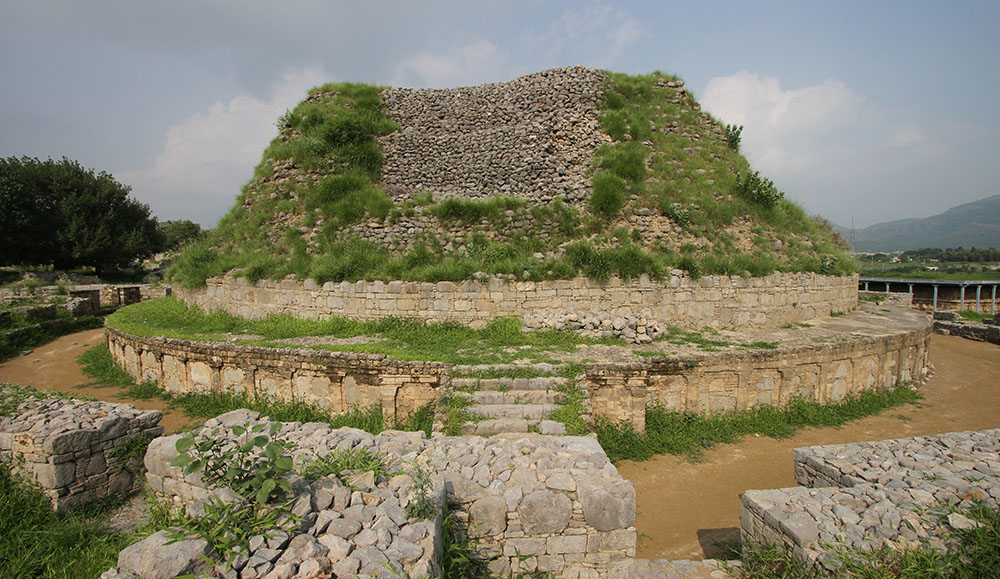
The Ancient Pakistan Tour offers a profound voyage into the heart of one of the world’s oldest civilizations, where millennia of cultural, architectural, and archaeological heritage come alive. This immersive experience unveils the enduring legacy of the many civilizations that once flourished across this land — from the ancient Indus Valley to the grandeur of the Mughal Empire.
Spanning two enriching weeks, the journey begins in Karachi, the vibrant metropolis by the Arabian Sea, and winds northward to the serene capital city of Islamabad. Along the Indus Highway, travelers encounter a living museum of human history UNESCO World Heritage Sites, sprawling deserts, lush wetlands, and sacred relics that trace the arc of human progress and artistic brilliance.
At Mohenjo-Daro, visitors step into the remnants of the 5,000-year-old Indus Valley Civilization, where advanced urban planning and cultural sophistication reveal a society far ahead of its time. As the journey continues, the awe-inspiring Rohtas Fort a strategic marvel built by Sher Shah Suri stands as a testament to military ingenuity and architectural mastery.
In Lahore, the splendor of Mughal architecture unfolds through majestic landmarks such as the Badshahi Mosque and Lahore Fort. These grand structures not only showcase intricate craftsmanship but also narrate tales of power, devotion, and artistic refinement. Each city and monument on this route holds a unique story, forming a rich mosaic of Pakistan’s historical and cultural evolution.
Beyond the monuments and ruins, it is the living culture the vibrant traditions, colorful festivals, regional cuisines, and the enduring hospitality of the people that gives soul to the Ancient Pakistan Tour. Travelers gain a deeper understanding of the past while being inspired by the resilience and diversity that continue to shape the nation’s identity.
This tour is not merely a historical excursion; it is a journey of discovery of beauty carved in stone, civilizations etched in time, and a land where heritage still breathes. The Ancient Pakistan Tour invites all who seek to be inspired by history and moved by culture to witness the timeless wonders that define this extraordinary region.
15 Days / 14 Nights