
Hospitality Beyond Borders
Explore Our Tours
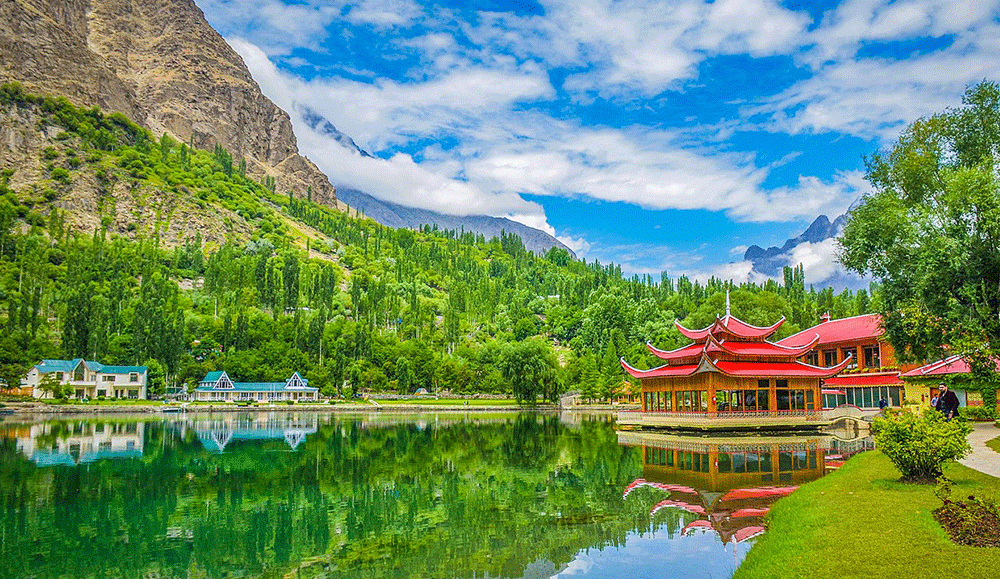
Skardu City Tour
Skardu, the enchanting capital of Baltistan (also known as little Tibet) in Gilgit-Baltistan, Pakistan, is nestled in a wide valley at the confluence of the Indus and Shigar Rivers, surrounded by towering peaks, dramatic rock faces, and serene lakes. Resting at an elevation of over 2,200 meters, Skardu is the launchpad for expeditions to some of the world’s highest mountains, including K2, Broad Peak, and the Gasherbrum range. Despite its rugged landscape, the city maintains a peaceful charm, with its modest bazaars, welcoming locals, and a unique cultural blend influenced by Tibetan, Central Asian, and Islamic traditions. Skardu City Tour explores all major attractions available within the city.
Historically, Skardu was a vital part of the ancient trade routes connecting Kashmir, Ladakh, and Central Asia. The region embraced Buddhism centuries ago, as evidenced by relics like the Manthal Buddha Rock. With the advent of Islam in the 14th century, particularly through Sufi missionaries, the region saw a cultural transformation while retaining its distinct Balti identity. Skardu’s strategic importance led to the construction of structures like Kharpocho Fort in the 16th century, overseeing vital trade routes and offering a stronghold during local conflicts. This rich history is deeply embedded in the local architecture, language, and traditions.
Skardu is a year-round destination, with each season offering a unique experience. Spring (April to June) brings a burst of color with almond, plum, cherry, apple and apricot blossoms, painting the valleys in pink and white. Summer (June to September) is ideal for trekking, boating on Satpara and Kachura Lakes, and exploring the cool Katpana Desert. In autumn (October to early November), golden foliage blankets Chunda, and Shigar Valleys, attracting photographers and nature lovers. Winter (December to March), though harsh, offers a magical snow-covered landscape and is increasingly drawing adventure tourists for ice climbing and winter trekking. Each season reveals a new face of Skardu’s majestic beauty.
1 Days / Nights
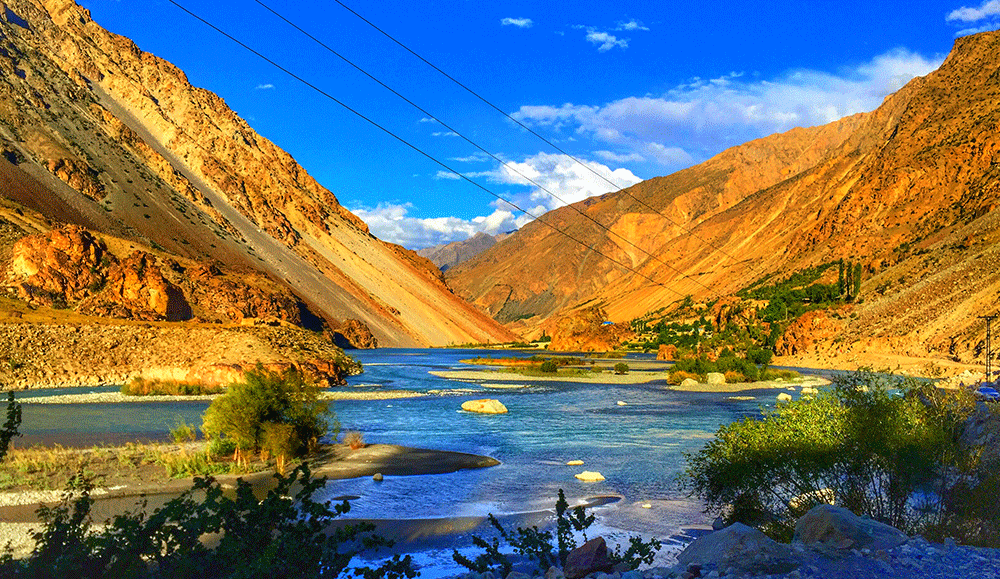
Gilgit City Tour
Gilgit, the capital of Gilgit-Baltistan, is a captivating city that serves as the cultural and logistical heart of the region. Nestled on the confluence of Hunza River and Gilgit River, surrounded by majestic peaks of the Karakoram and Hindukush ranges, Gilgit is a prime destination for tourists seeking natural beauty, cultural richness, and historical depth. It is often considered the gateway to many of the region’s famed valleys, including Hunza, Ghizer, Skardu, and Astore, making it an essential hub for adventure tourism in northern Pakistan.
The city is rich in history, once serving as an important center along the ancient Silk Road. It was also a prominent seat of Buddhism centuries ago, evidence of which can still be seen today in the famous Kargah Buddha—a 7th-century rock-carved image of a standing Buddha, located just a few kilometers outside the city. This remarkable archaeological site reflects Gilgit’s role as a significant Buddhist center before the spread of Islam in the region.
Modern-day Gilgit is a blend of tradition and progress. Its bustling bazaars offer local handicrafts, gemstones, and dried fruits, while hotels and guesthouses cater to both domestic and international travelers. The Gilgit Airport connects the city to Islamabad, further enhancing its accessibility and importance as a travel base.
Nearby attractions include the Naltar Valley, known for its alpine scenery and skiing in winter, and the tranquil lakes of Phander and Khalti, easily reachable from the city. Gilgit’s strategic location on the Karakoram Highway also makes it a stopover for travelers heading to the China-Pakistan border via the Khunjerab Pass.
As the administrative and cultural capital of Gilgit-Baltistan, Gilgit city continues to play a vital role in tourism, history, and regional development—offering a perfect blend of nature, heritage, and hospitality.
1 Days / Nights
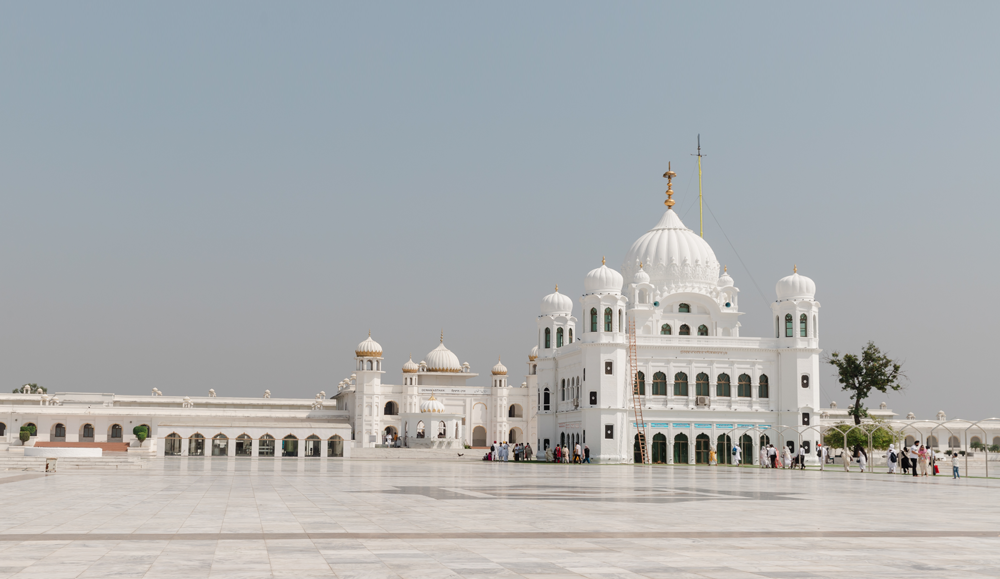
Sikh Heritage Trail Tour
A Sikh Heritage Trail Tour of Pakistan offers a profound spiritual journey to some of the most revered sites in Sikhism. Pakistan is home to several significant gurdwaras that hold immense historical and religious importance for Sikhs worldwide.
The trail typically begins in Lahore, where visitors can pay homage at Gurdwara Dera Sahib, the site of the martyrdom of Guru Arjan Dev Ji, the fifth Sikh Guru. From Lahore, the journey continues to Nankana Sahib, the birthplace of Guru Nanak Dev Ji, the founder of Sikhism. Nankana Sahib is one of the holiest sites in Sikhism, and thousands of pilgrims visit it every year, especially during Guru Nanak’s birth anniversary.
Another essential stop is Gurdwara Panja Sahib in Hasan Abdal, where the handprint of Guru Nanak is believed to be imprinted on a rock. The tour often includes visits to other historical gurdwaras, such as Gurdwara Rori Sahib, Gurdwara Sacha Sauda, and Gurdwara Janam Asthan in Nankana Sahib.
The pilgrimage concludes at Kartarpur Sahib, near the Indo-Pak border. This is where Guru Nanak Dev Ji spent the last years of his life, and the Kartarpur Corridor now allows easy access for Sikh pilgrims from India to visit this sacred site.
A Sikh Heritage Trail Tour in Pakistan is not just a journey through history but a spiritual experience that deepens one’s connection to the teachings and legacy of Guru Nanak Dev Ji and the Sikh Gurus. The warmth and hospitality of the local communities further enhance the sacredness of this pilgrimage, making it a memorable and meaningful experience for all who undertake it.
7 Days / 6 Nights
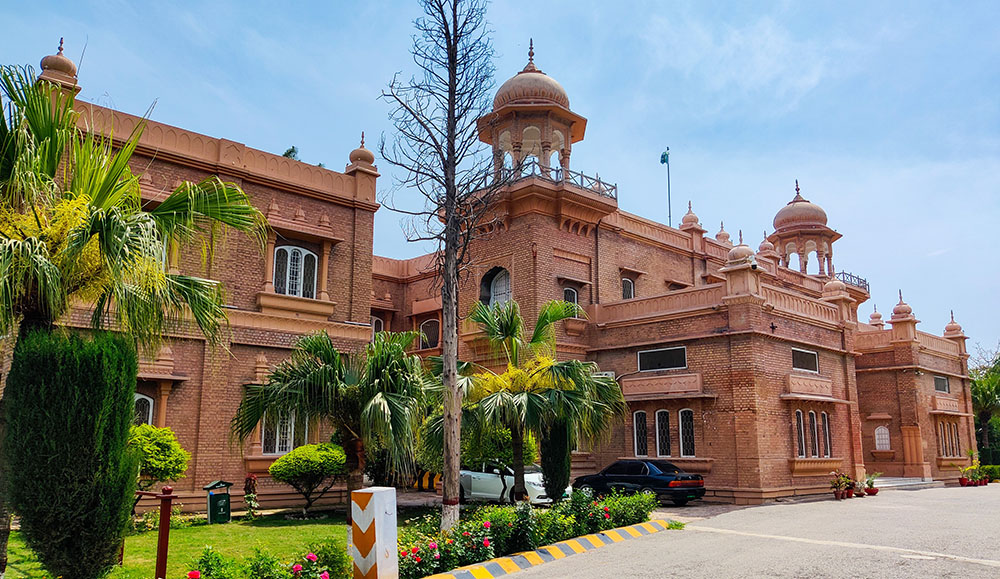
Journey Through History
Journey Through History is an epic tour that begins in the heart of Pakistan, Islamabad, and navigates through the historical cities. This tour mostly explores the Khyber Pakhtunkhwa province. The adventure leads you to Peshawar, a city that echoes with the whispers of ancient times, where the semi-tribal culture entwines with centuries of tradition. Here, the warm hospitality of its people is not just a gesture but a legacy, a testament to a city that has welcomed travelers and conquerors alike, standing as the gateway to the Indian plains and the guardian of history from the north and northwest.
The journey deepens with visits to the sacred sites of the Gandhara Civilization, beginning in Taxila, one of Pakistan’s six UNESCO World Heritage Sites. Taxila is a treasure trove of ancient wisdom, where the ruins speak of a glorious human past. From there, the tour moves to Swat, a valley that cradles the remnants of Buddhist heritage, offering a profound connection to the spiritual and cultural richness of the region besides admired for its scenic beauty.
As you ascend to the heights of Murree, the journey takes on a serene, picturesque quality. This charming hill station, with its cool breezes and verdant landscapes, offers a tranquil escape from the world below. Murree has historically been a summer retreat for the heat resistant British officers and bears a considerable amount of British legacy including the Gothic style residential buildings, institutions, and Churches. The exploration continues with a visit to the formidable Rohtas Fort, a monumental structure that narrates tales of valor and resilience from a bygone era of Mughal heritage.
The experience culminates in the twin cities of Rawalpindi and Islamabad, where modernity meets tradition. Here, sightseeing offers a fascinating blend of old and new, rounding off this immersive exploration of Pakistan’s diverse landmarks and timeless traditions. This journey is not merely a tour but a profound encounter with the soul of a nation, rich in history, culture, and enduring beauty.
9 Days / 8 Nights
Journey of Faith
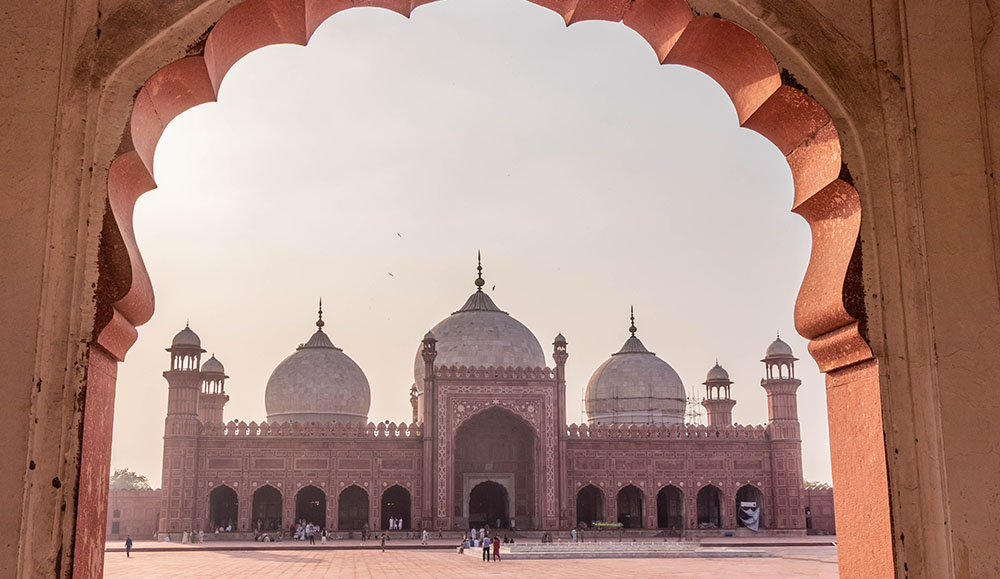
The Journey of Faith offers a unique opportunity to explore two of Pakistan’s significant cities, renowned for their cultural and historical significance – Lahore, the cultural hub, and Islamabad, the capital city. Along this spiritual odyssey, pilgrims and visitors have the chance to immerse themselves in the sanctity of two revered religious sites nestled between Lahore and Islamabad.
The Ketasraj temples, situated in the Jhelum district at Ketas, hold special significance as the second holiest places for Hindus. Steeped in history, these temples are believed to predate the era of Christ. Dedicated to deities such as Shev Jee, Kali Mata, and Hanuman Jee, they overlook a lake said to have formed from the tear of Lord Shiva, creating a serene and spiritually charged atmosphere.
Moving towards Hassanabdal, Punja Sahib stands as a holy center for Sikhism, located approximately 48 km from Islamabad. This Gurdwara is revered for a rock bearing the handprint of Guru Nanak, adding a profound spiritual dimension to the site. Pilgrims from the Sikh community consider this place sacred, making it an integral part of their religious journey.
In addition to the religious sites, the itinerary includes visits to the vibrant cities of Lahore, providing a glimpse into the cultural richness of the region. Furthermore, the exploration extends to the twin cities of Rawalpindi and Islamabad, offering a well-rounded experience of Pakistan’s history, culture, and contemporary life.
Commencing and concluding in Lahore, this journey caters not only to the local faithful but also extends a warm invitation to international tourists, including those visiting from India. For the latter, the option to add a four-day tour to explore the holy places in the historic cities of Pakistan enhances the richness of this spiritual pilgrimage, fostering cultural exchange and a deeper understanding of the shared heritage between nations.
6 Days / 5 Nights
Pakistan En Route China
This extraordinary tour, Pakistan En Route China, offers a seamless blend of breathtaking landscapes, ancient heritage, and vibrant cultures, as you enter Pakistan from the legendary Khunjerab Pass—the highest paved international border crossing on the Karakoram Highway (KKH). From the snow-clad peaks of Hunza Valley, the cultural treasures of Gilgit-Baltistan, and the dramatic valleys of Skardu, to the bustling cities of Islamabad and Lahore, this journey takes you through the heart of Pakistan’s natural and cultural wonders, before returning to China.
Your adventure begins as you cross the Khunjerab Pass (4,693m), where the grandeur of the Karakorams greets you with towering glaciers, rugged cliffs, and dramatic valleys. Driving down the Karakoram Highway, often called the Eighth Wonder of the World, you’ll be captivated by the shimmering peaks, turquoise rivers, and centuries-old rock carvings (petroglyphs) along the way.
In the enchanting Hunza Valley, explore the ancient Baltit Fort and Altit Fort, which stand as proud sentinels of history, surrounded by fruit orchards and some of the world’s highest mountains. The hospitable people and their unique culture add warmth to this scenic paradise.
Next, in Gilgit, discover the historic Danyore Chinese Graveyard, a poignant reminder of the Chinese workers who helped build the KKH. See the serene Karga Buddha, a 7th-century rock carving, and the remarkable petroglyphs that document ancient travelers’ tales.
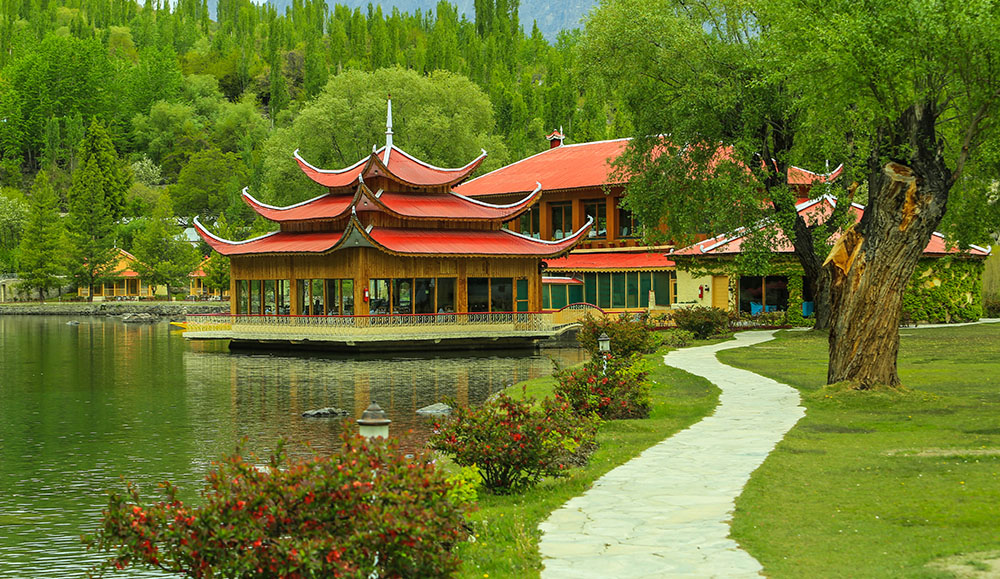
You’ll then drive along the KKH to Skardu, stopping at the spectacular Junction Point where the Karakoram, Himalaya, and Hindukush ranges meet. In Skardu, explore the crystal-clear lakes, the dramatic landscapes of the Shigar Valley, and the 17th-century Shigar Fort, which combines history with luxury.
A scenic flight brings you to Islamabad, Pakistan’s green capital, where you’ll visit the magnificent Faisal Mosque, the Pakistan Monument, and Daman-e-Koh for panoramic city views.
Continuing south, you’ll drive to Lahore, stopping en route to marvel at the Khewra Salt Mines, one of the world’s oldest and largest salt mines. In Lahore, the cultural capital of Pakistan, immerse yourself in the grandeur of Lahore Fort, the Badshahi Mosque, the Mughal gardens, and the vibrant bazaars of the Walled City before flying back to China.
The Pakistan En Route China perfectly weaves the spectacular beauty of mountains, valleys, and rivers with the deep history, architecture, and colorful traditions of Pakistan—a truly unforgettable journey.
9 Days / 8 Nights
Cholistan Desert Camel Safari
The Cholistan Desert Camel Safari in southern Punjab, Pakistan, is a truly iconic travel experience that offers an unforgettable blend of adventure, cultural immersion, and historical exploration. Just 30 kilometers from Bahawalpur, the vast and mysterious Cholistan Desert—locally known as Rohi—covers over 26,000 square kilometers and borders the Thar Desert of Sindh and India. Its name, derived from the Turkic word Cho meaning “desert,” reflects both the stark environment and the resilience of its inhabitants, who lead a semi-nomadic life, moving with their herds in search of food and water.
Isolated from modern urban influences, the desert’s communities have preserved a deeply rooted cultural identity. The people of Cholistan are renowned for their craftsmanship in textiles, leatherwork, camel decorations, and jewelry, reflecting an artistic spirit that thrives amid the sands. Travelers will witness their simple yet vibrant lifestyle, rooted in centuries-old traditions passed down through generations.
The highlight of this journey is the camel safari through the golden dunes surrounding the majestic Derawar Fort—a 9th-century structure with 30-meter-high walls and a 1,500-meter circumference, standing like a sentinel over the desert. The safari immerses visitors in the rhythms of the desert, offering an authentic taste of nomadic life.
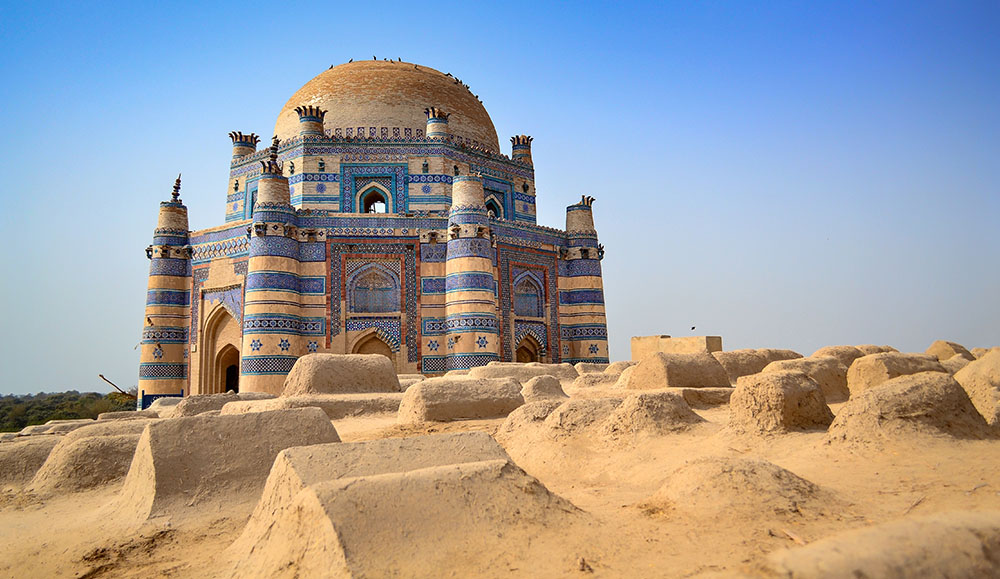
This journey also traces the spiritual path once followed by Sufi saints who arrived from Persia, Central Asia, and Afghanistan, spreading Islam across South Asia. Their influence is still visible in the architectural and spiritual heritage of places like Uch Sharif and Multan, known for their stunning shrines and historical tombs.
Along the way, the Cholistan Desert Camel Safari explores the grandeur of Lahore, the archaeological wonder of Harappa, the serene landscapes of Lal Sohanra National Park, and concludes with a heartfelt farewell in Islamabad. This is more than a desert safari—it is a passage through time, culture, faith, and natural beauty.
13 Days / 12 Nights
Hunza Valley Through China
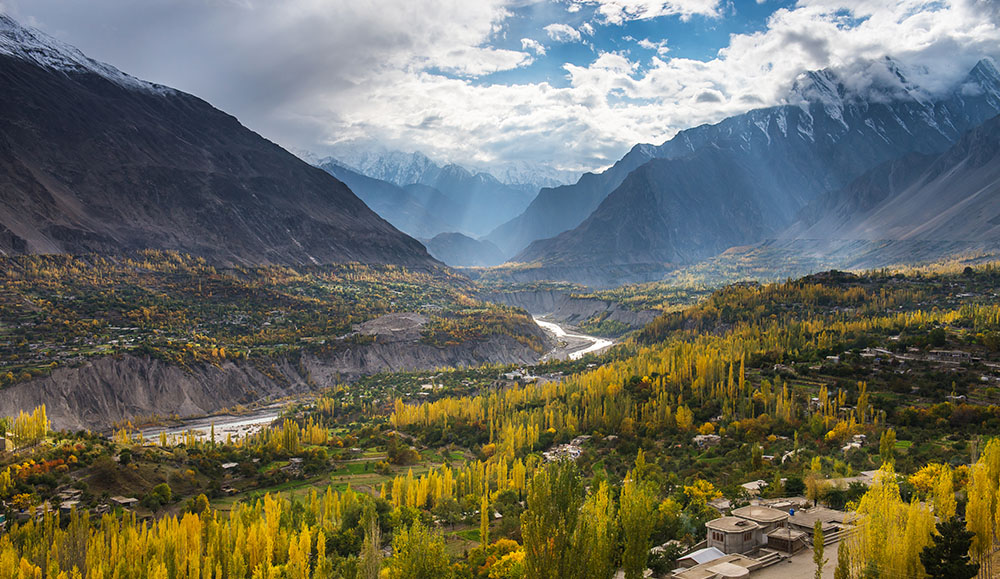
Journey from China into the enchanting Hunza Valley, an ancient mountain kingdom cradled by the mighty Karakorams. As you cross the awe-inspiring Khunjerab Pass — the world’s highest border crossing at 4,693 — you are welcomed by snow-crowned peaks, crisp alpine air, and breathtaking vistas. Descending into Hunza, you discover a valley steeped in history, culture, and natural splendor, guarded for centuries by towering glaciers and mountains that seem to touch the sky.
Once a princely state known for its independence and resilience, Hunza has long captivated travelers with its serene beauty and vibrant culture. The hospitable people of Hunza, known for their warmth and longevity, speak an intriguing mix of languages — Burushaski, Shina, and Wakhi — reflecting the valley’s diverse heritage and its position along the ancient Silk Route. Walking through the villages, you’ll experience their graceful way of life, where ancient traditions meet stunning landscapes.
The journey along the legendary Karakoram Highway — often hailed as the Eighth Wonder of the World — is an adventure in itself, winding through dramatic gorges, turquoise rivers, and terraced fields dotted with orchards. In spring and summer, the valley bursts into a mosaic of colors with cherry, apricot, and apple trees heavy with fruit, and lush green fields stretching beneath the white peaks.
The history of Hunza comes alive in its remarkable forts — the 700-year-old Baltit Fort, with its Tibetan-inspired architecture, and the even older Altit Fort, standing proudly on a cliff edge, tell stories of kings, queens, and conquests. From Eagle’s Nest viewpoint, you’ll watch the sun set over the great Rakaposhi, Ultar, and Passu Cones, their snow-clad summits glowing in golden light.
Throughout your journey, you’ll enjoy the organic flavors of Hunza — fresh fruits, wholesome grains, and pure mountain water — a true taste of this land’s bounty. Here, in this hidden corner of the Karakorams, every moment is filled with beauty, from its striking mountains and ancient heritage to its gracious people and pristine nature — making your visit to Hunza an unforgettable adventure.
9 Days / 8 Nights
Explore Gilgit-Baltistan via China
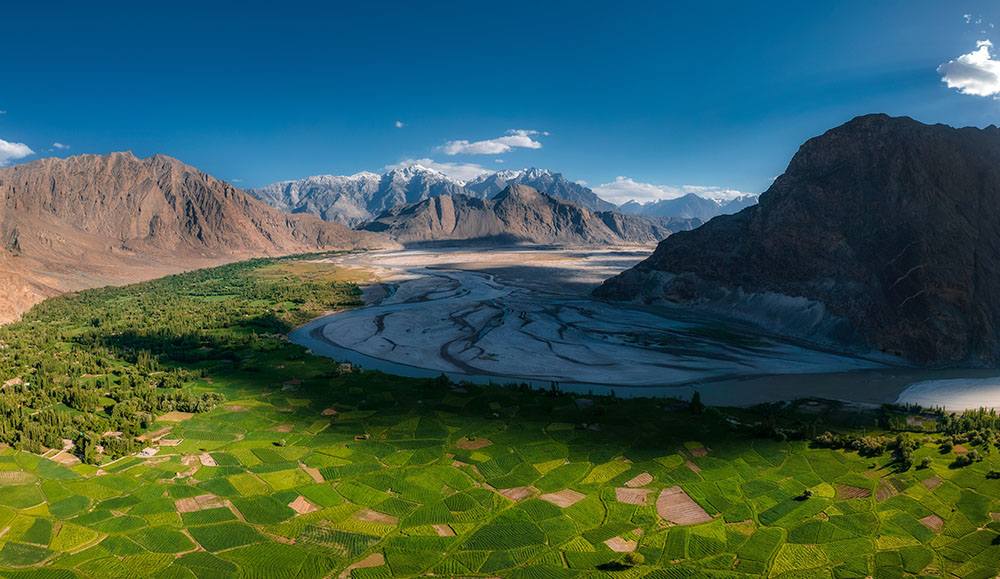
Step into a realm where time stands still, mountains touch the heavens, and ancient civilizations whisper through windswept valleys. This extraordinary ” Explore Gilgit-Baltistan Via China” journey begins at Khunjerab Pass (4,733 meters), the highest paved international border in the world, connecting China’s Xinjiang region to Pakistan’s Gilgit-Baltistan. As you cross into Pakistan, the majestic Karakoram Range unveils its raw, staggering beauty — snow-laden peaks, deep-cut gorges, and high-altitude wilderness await.
Your descent into the legendary Hunza Valley is nothing short of magical. Once described by explorer Eric Shipton as “the epitome of mountain grandeur,” Hunza enchants with its glacier-fed rivers, blooming orchards, and ancient forts. The 700-year-old Baltit Fort and the even older Altit Fort stand watch over stone villages and terraced fields, while the towering peaks of Rakaposhi, Ultar Sar, and Ladyfinger rise in the backdrop. Stroll through Karimabad’s cobbled lanes, sample the famed Hunza walnut cake, and engage with locals whose warm hospitality and graceful way of life are renowned the world over.
Continue to Gilgit, once a thriving stop on the ancient Silk Road, where Buddhism once flourished and trade routes connected worlds. Amid scenic landscapes, discover remnants of Buddhist petroglyphs, and experience the intersection of cultures, languages, and traditions that define this unique frontier.
Your journey then unfolds in Skardu, the breathtaking gateway to the Karakoram’s highest giants — K2, Broad Peak, and the Gasherbrums. Known as Mini Tibet, Skardu is a cultural gem, where Tibetan-influenced architecture, serene lakes like Shangrila and Sheosar, and rugged mountain landscapes create a scene of ethereal beauty. Summer awakens this region with crystal-clear skies, wildflowers, and accessible trekking trails.
As you retrace your path to China through the same epic route, you’ll leave with more than memories — you’ll carry a deep connection to a land where nature, culture, and history converge in harmony. Explore Gilgit-Baltistan Via China is more than a tour. It’s a timeless experience into the soul of the mountains.
11 Days / 10 Nights
Retracing the Silk Route
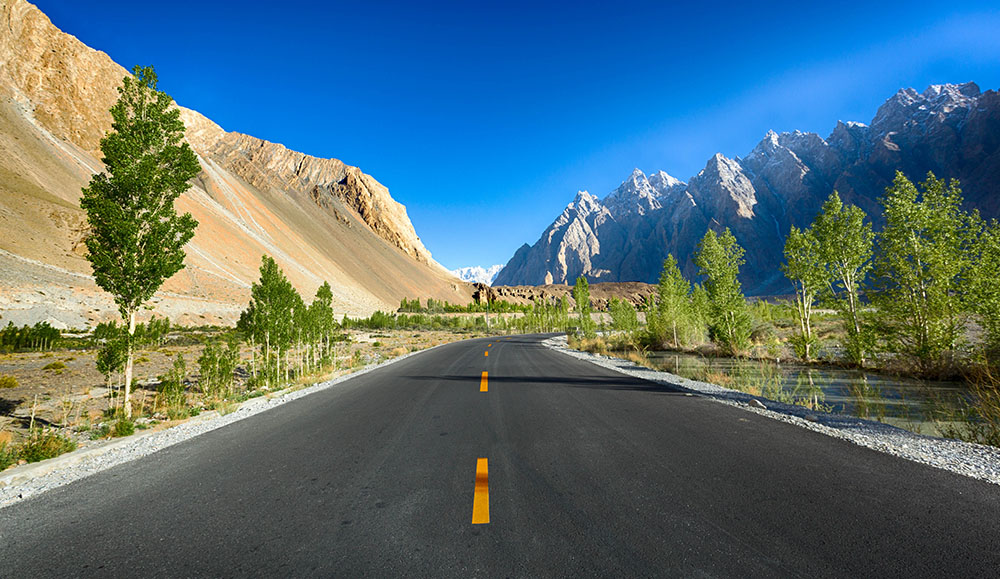
Step back in time and experience by retracing the magic of the ancient Silk Route on this unforgettable journey from China into Pakistan, traveling along the legendary Karakoram Highway — one of the highest and most spectacular roads in the world. This route, once traversed by caravans laden with silk, spices, and stories, still echoes with the grandeur of history, culture, and nature.
The adventure begins as you cross the towering Khunjerab Pass (4,693 m), the world’s highest paved border crossing, where the mighty Karakoram mountains welcome you to Pakistan with snow-clad peaks and crisp alpine air. Descending from the high-altitude plateau, the route winds dramatically through deep gorges, glacial valleys, and colorful rock formations — a breathtaking introduction to the region’s raw beauty.
Your first stop is Sost, the gateway town of upper Hunza, where Silk Road travelers once rested. From here, you proceed to the picturesque Passu village, famous for its striking Passu Cones — jagged peaks that rise like stone spires into the sky — and nearby Batura Glacier, one of the longest outside the polar regions. Adventurers can walk across the thrilling Hussaini suspension bridge, one of the most daring bridges in the world.
The journey continues through the lush valleys of Gulmit and Gojal, where terraced fields, apricot orchards, and ancient stone houses showcase the resilience and beauty of local life. At Attabad Lake, a natural wonder born of a landslide, the brilliant turquoise waters surrounded by towering cliffs are simply unforgettable.
Reaching Karimabad, the historic heart of Hunza, you’ll explore the ancient Baltit Fort and Altit Fort, stroll through charming bazaars, and marvel at panoramic views of Rakaposhi and Ultar peaks.
Further south, the Silk Route leads you to Gilgit, once a vital stop for traders and pilgrims heading to Central Asia. Nestled in a wide valley, Gilgit offers vibrant markets, suspension bridges, and a glimpse of its Buddhist heritage.
This remarkable journey not only retraces the footsteps of ancient traders but also immerses you in the timeless beauty and culture of Pakistan’s mountains — a Silk Route experience you will never forget.
9 Days / 8 Nights
Essence of Sindh Tour
The Essence of Sindh Tour is a journey through time, culture, and spirituality in one of Pakistan’s most historically rich and culturally vibrant provinces. Sindh is where ancient civilizations once flourished, Sufi saints spread messages of peace, and diverse communities coexisted for centuries. This immersive tour offers a deep dive into Sindh’s layered heritage—from the 5,000-year-old ruins of Mohenjo-Daro to the living traditions found in its bustling bazaars, spiritual shrines, and folk culture.
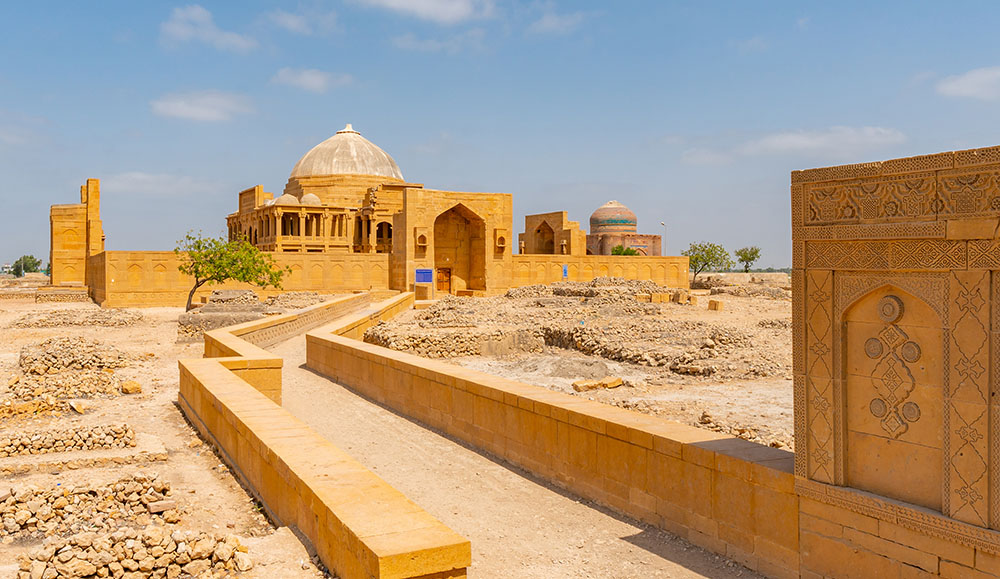
The adventure begins in Karachi, Pakistan’s largest metropolis, and moves through the historic landscapes of Thatta, where you’ll witness the grand Mughal architecture of Shah Jahan Mosque, the vast Makli Necropolis—one of the largest graveyards in the world—and the intricately carved sandstone tombs of Chaukhandi. A stop at the serene Keenjhar Lake provides a peaceful contrast to the architectural grandeur.
In Hyderabad, delve into Sindhi identity through the Sindhology Museum and explore historic markets and monuments. The tour then leads you to the heart of interior Sindh, with a full-day exploration of Mirpur Khas and Umerkot—regions known for their blend of Hindu and Muslim heritage and their importance in the Mughal era.
No journey through Sindh would be complete without visiting the shrines of its great Sufi saints. From the poetic sanctuary of Shah Abdul Latif Bhittai at Bhit Shah to the mystic energy of Sachal Sarmast’s Daraza Sharif and the deeply spiritual Sehwan Sharif, these sites offer a glimpse into the soul of the region.
The highlight of the Essence of Sindh Tour is the UNESCO World Heritage Site of Mohenjo-Daro near Larkana, one of the most advanced cities of the ancient Indus Valley Civilization. This tour is more than sightseeing—it’s a cultural pilgrimage that brings you face-to-face with the diverse, spiritual, and resilient identity of Sindh, making it a truly unforgettable experience.
7 Days / 6 Nights
Apricot Blossom in Hunza & Nagar Valleys
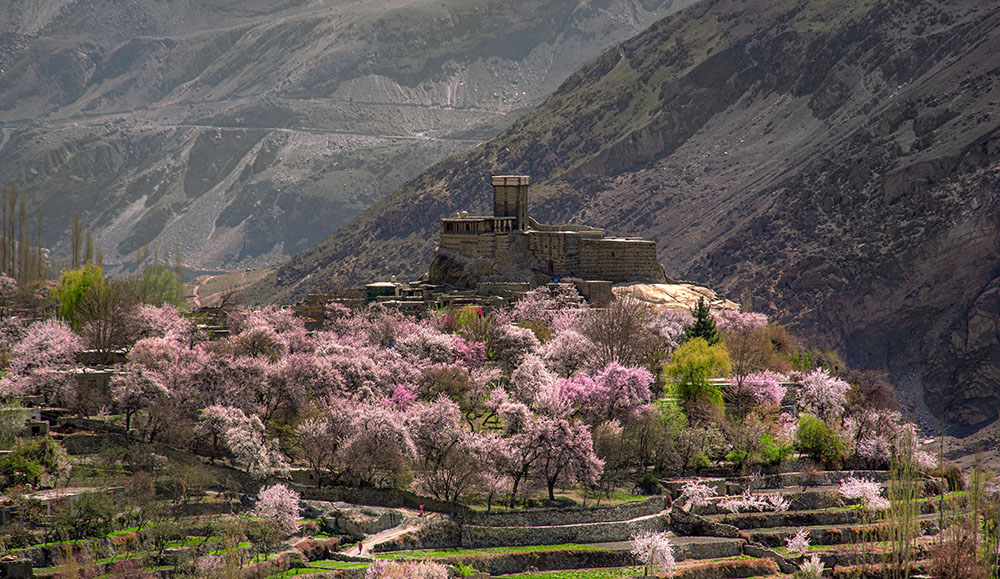
Spring in the Hunza and Nagar Valleys is a time of transformation—a spectacular interplay of nature, culture, and color. From mid-March to mid-May, the rugged landscapes of Gilgit-Baltistan turn into a delicate dreamscape as apricot, cherry, and almond trees explode in bloom against a dramatic mountain backdrop. The apricot blossom in Hunza & Nagar valleys tour offers a rare opportunity to witness this seasonal spectacle while journeying through one of the world’s most legendary roadways—the Karakoram Highway.
As you travel northward, the air becomes cooler and fresher, the landscapes more majestic. From the fertile valleys of the Indus River to the confluence of three of the world’s greatest mountain ranges, every moment of the journey promises awe and wonder. In Hunza, you’ll explore ancient stone forts that whisper stories of bygone eras, stroll through centuries-old villages with cobblestone paths, and dine on traditional local cuisine enriched by generations of heritage. The vistas are nothing short of extraordinary—terraced fields covered in soft white and pink blossoms, glacial rivers running below snow-capped peaks, and the surreal blue of Attabad Lake nestled amid rock and ice.
The apricot blossom in Hunza and Nagar valleys is more than a visual treat. The warmth of the Wakhi and Burusho people adds heart to the adventure. You’ll be welcomed with genuine hospitality and invited into their customs and rhythms of life, making this an enriching cultural exchange. The weather during this period is also ideal—neither too cold nor too warm, allowing for comfortable exploration without the summer crowds. Whether you are a photographer chasing that perfect shot, a nature lover yearning for serenity, or a cultural enthusiast seeking depth, the Apricot Blossom in Hunza & Nagar Valleys offers an unforgettable immersion into northern Pakistan’s untouched charm. Your memories of this tour will certainly last for years.
10 Days / 9 Nights